Movements › Rationalism
Movement
Rationalism
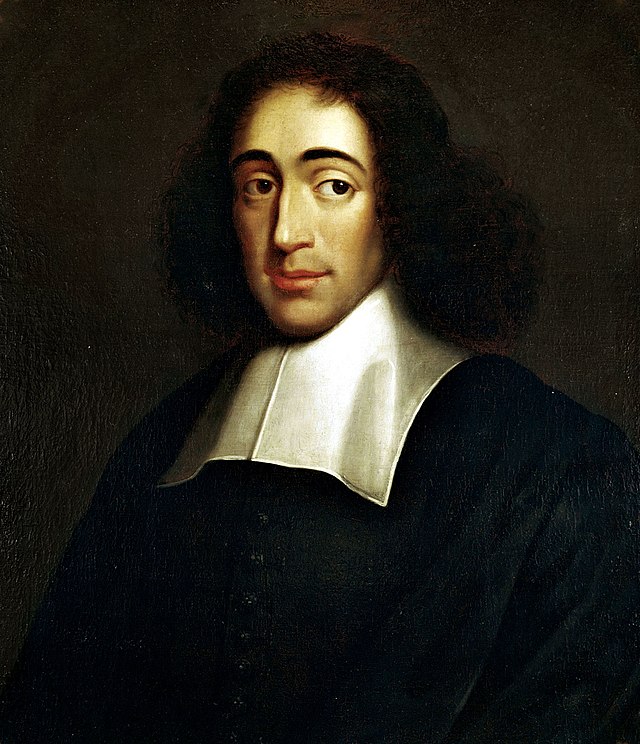
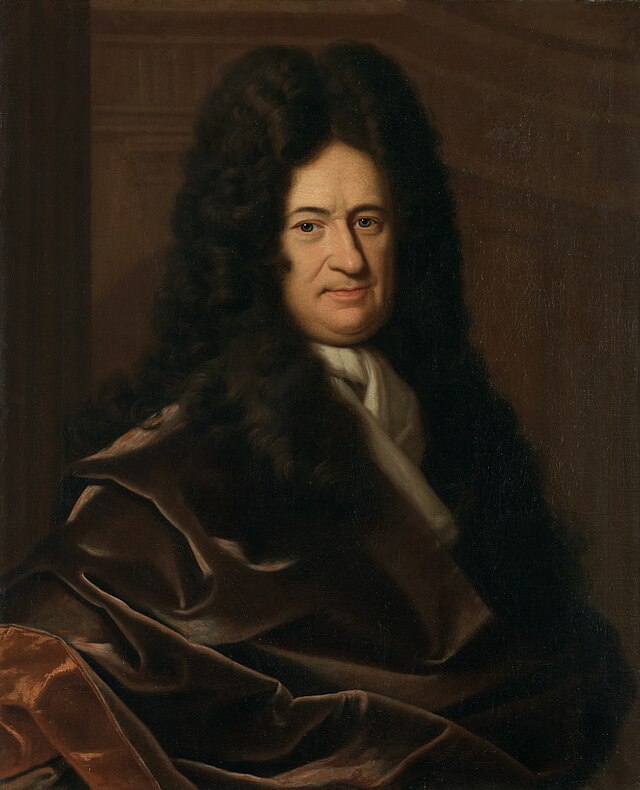
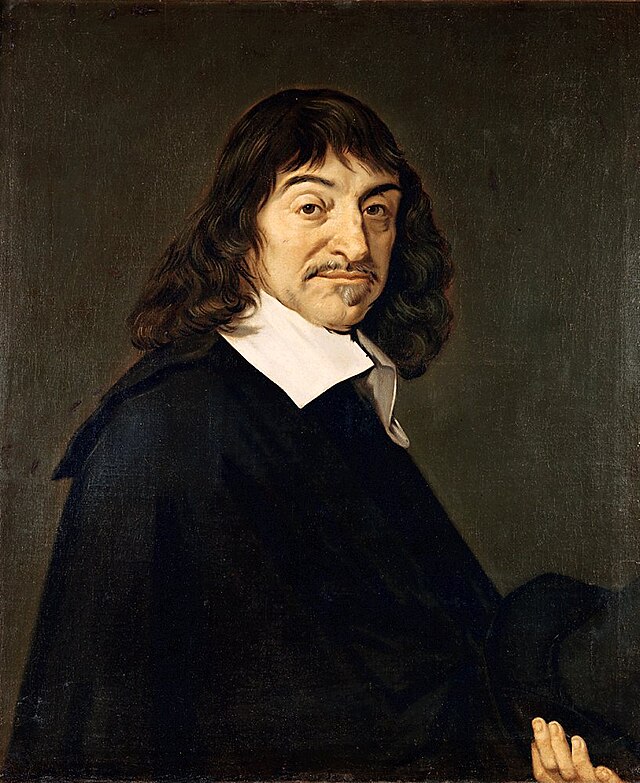
Rationalism holds that reason, rather than sensory experience, is the primary source and test of genuine knowledge. Descartes built a system of indubitable truths from the cogito outward. Spinoza deduced an entire philosophy from definitions and axioms. Leibniz argued for a universe of monads governed by pre-established harmony. Together they established the ambition of a philosophy as rigorous as mathematics.
4
Philosophers
4
Books
20
Concepts