Movements › Empiricism
Movement
Empiricism
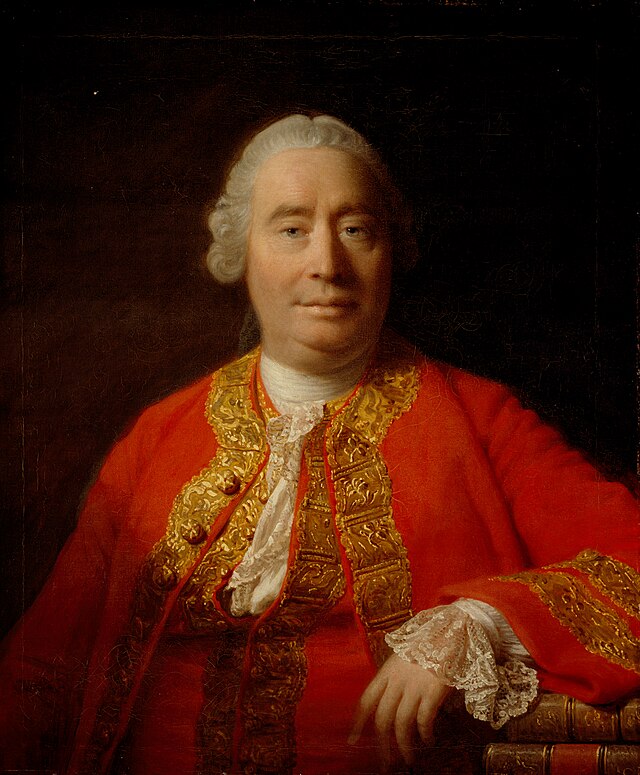
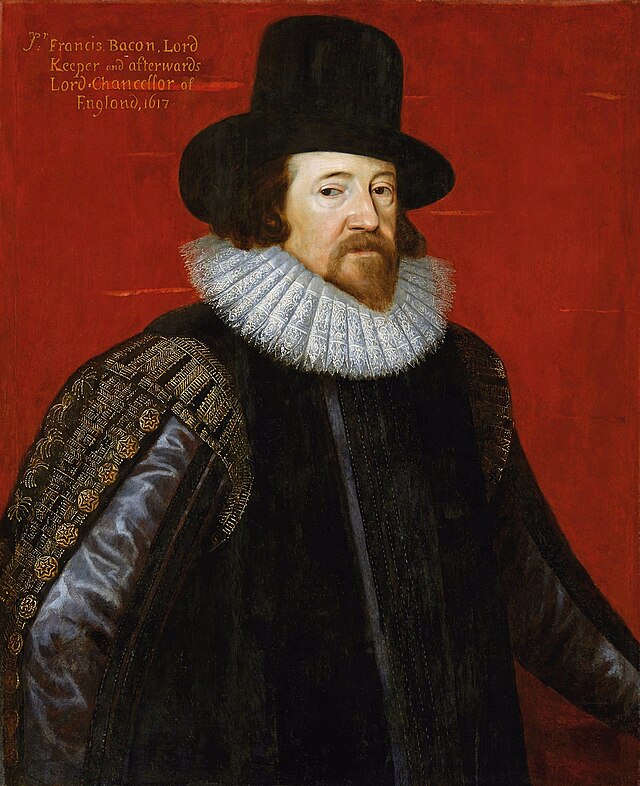
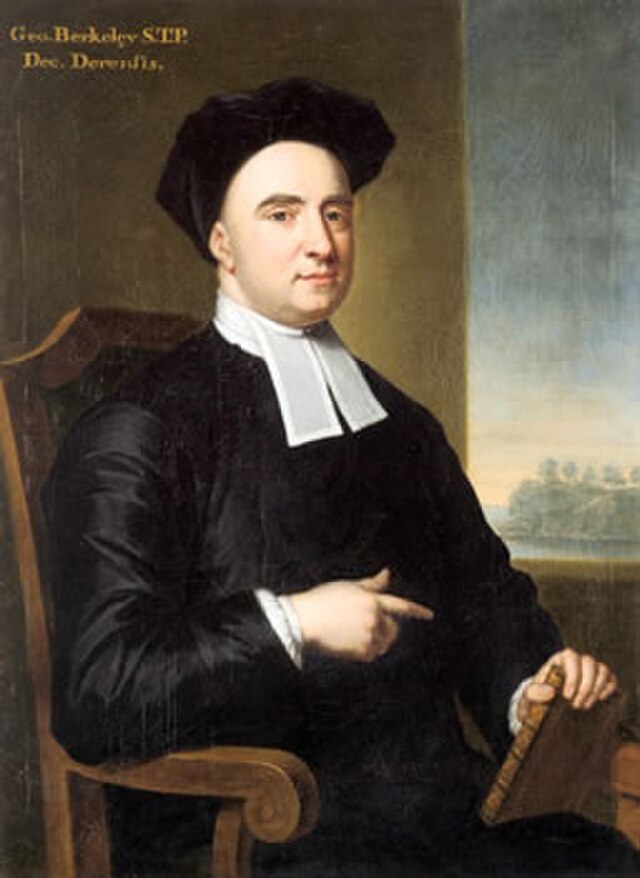
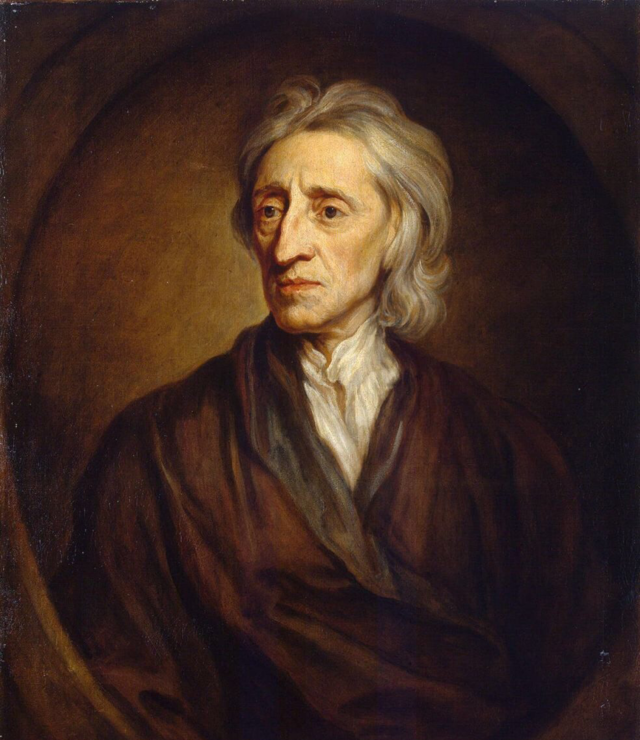
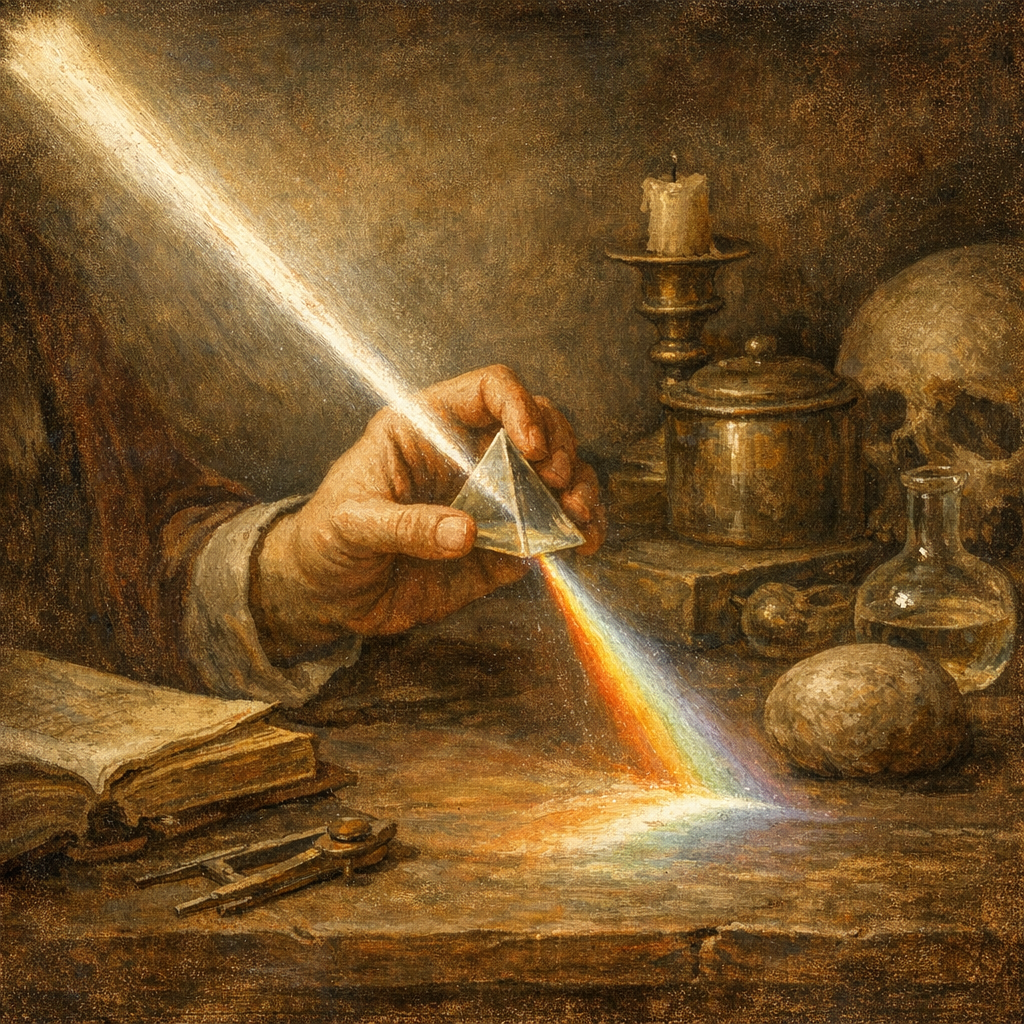
Empiricism holds that all genuine knowledge derives from sensory experience rather than reason alone. Locke argued that the mind begins as a blank slate; Hume traced all ideas back to impressions; Berkeley concluded that to be is to be perceived. The empiricist tradition set the terms for modern epistemology and philosophy of science.
5
Philosophers
14
Books
58
Concepts