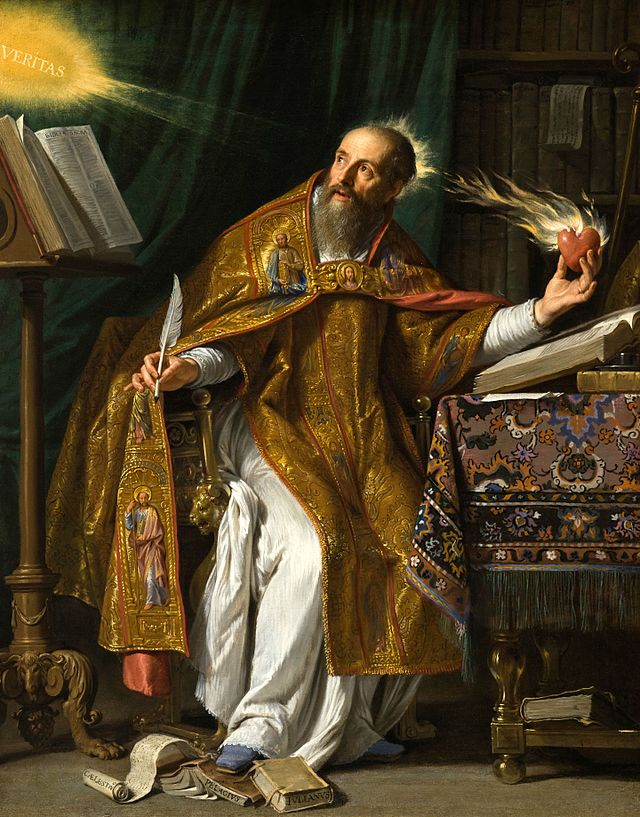
The Inner Space
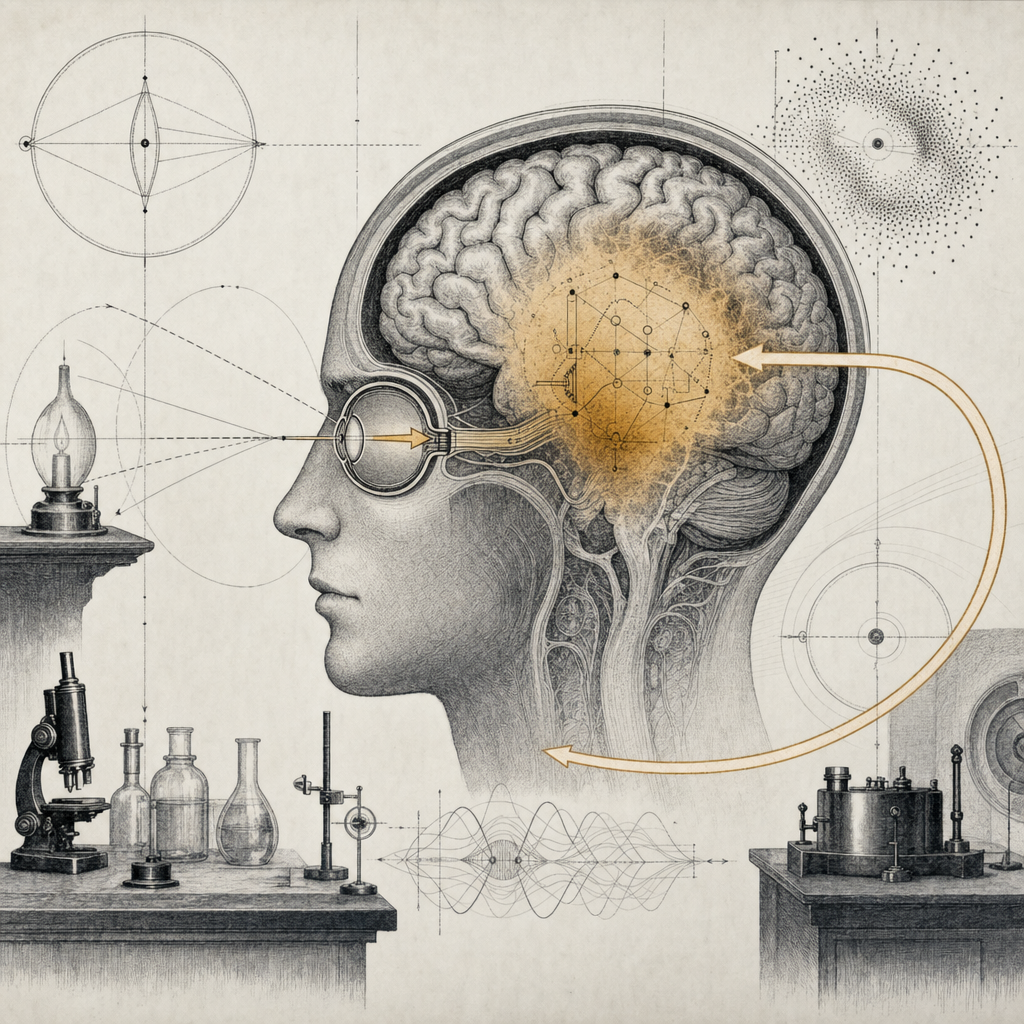
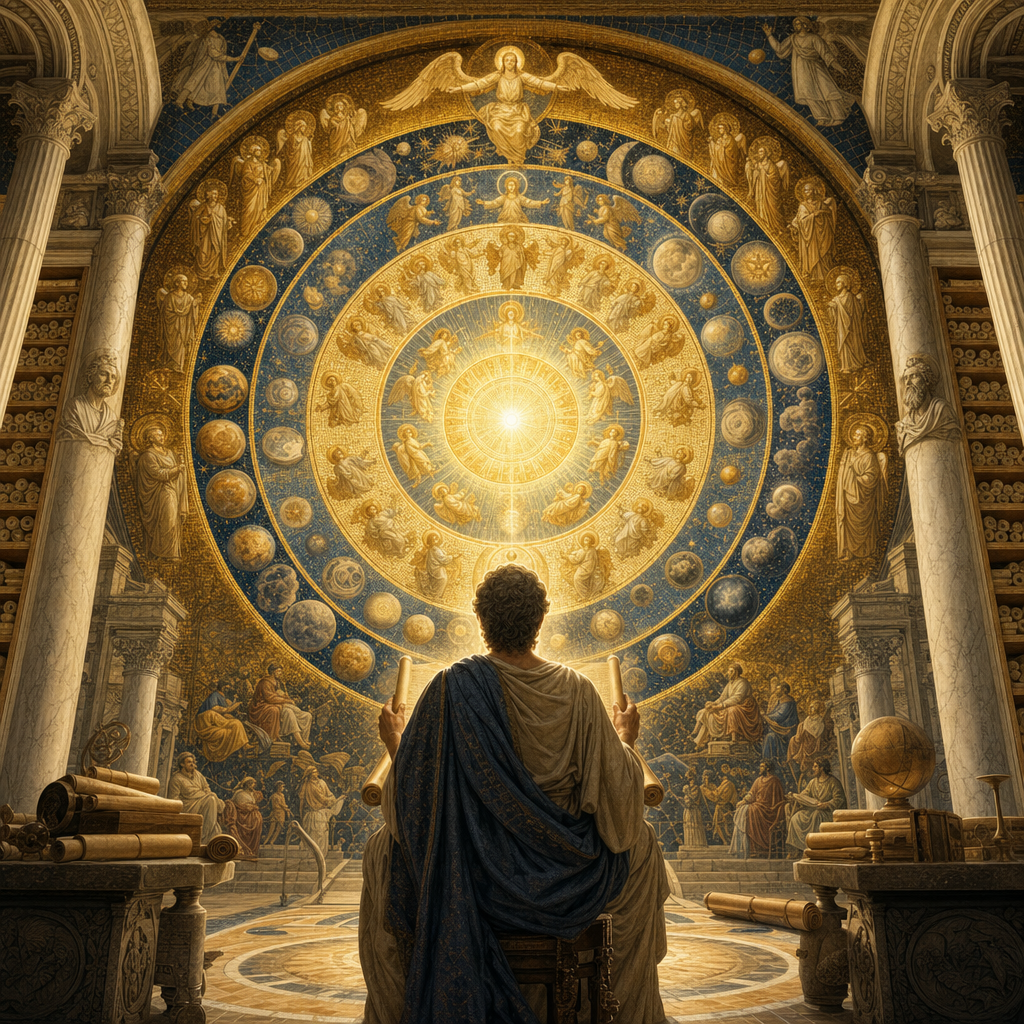
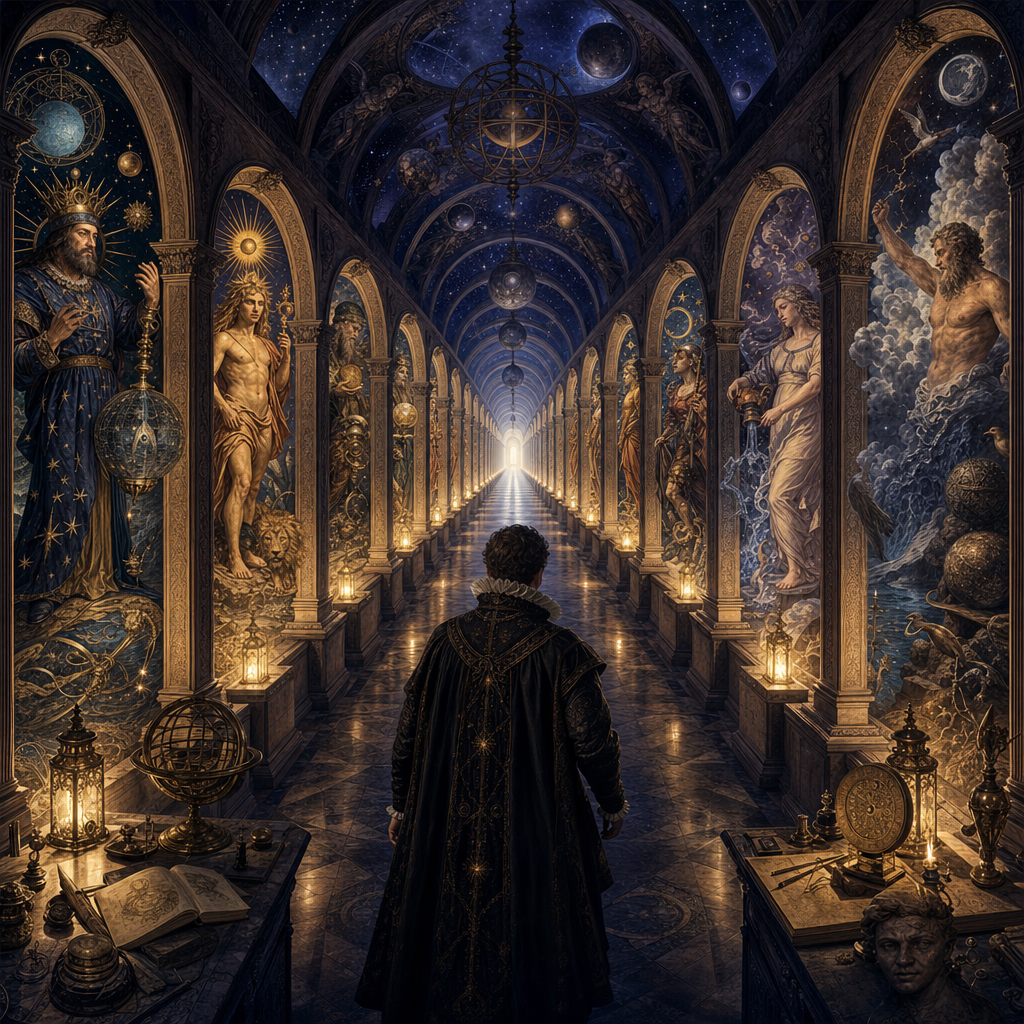
Augustine's starting point is the sheer vastness of memory. Memory is not a storehouse of facts — it is a kind of inner world, with its own spaces, caverns, and plains, containing not just images of things seen but the affective residues of experiences, the structures of mathematical knowledge, and even the traces of things long forgotten. It is, in a real sense, who we are.
Great is the power of memory, a fearful thing, O my God, a deep and boundless manifoldness; and this thing is the mind, and this am I myself.
Memory and Identity
The identification of memory with the self is philosophically significant. Augustine does not merely say that memory is a faculty the self uses — he says that memory is the mind, and the mind is "I myself." This anticipates Locke's account of personal identity through memory by more than a millennium, and raises the same puzzles. If the self just is the accumulated contents of memory, what are we to say of things forgotten? Of the infant self that cannot be remembered? Of God, who cannot be found in memory as one finds a face or a fact, and yet who must somehow be there if he is to be sought?
Men go abroad to admire the heights of mountains and the billows of the sea, Augustine observes, yet pass themselves by. The most extraordinary thing in the world — the thing capable of containing all those mountains and seas in its inner expanses — is the mind itself. The injunction to self-knowledge is not an alternative to wonder at the world; it is a deeper form of the same wonder.
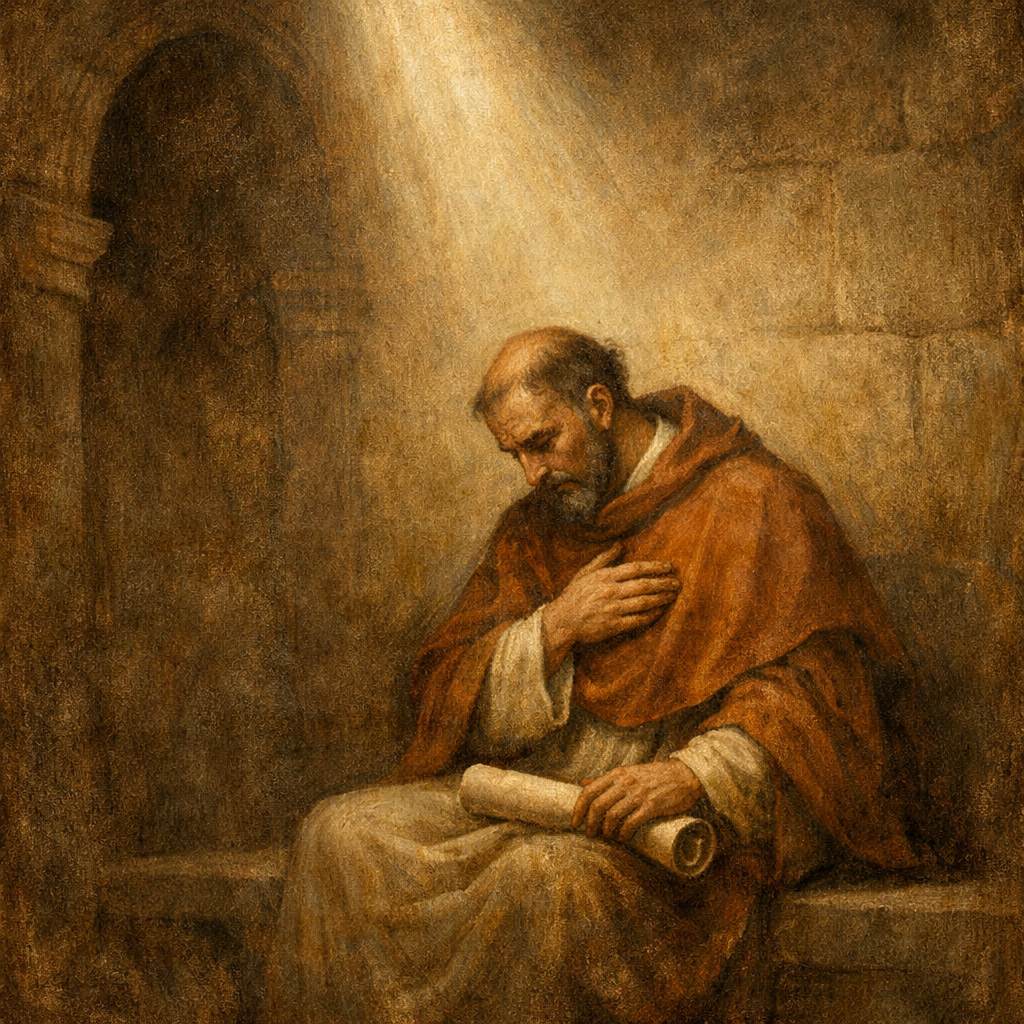
Too late loved I Thee, O Thou Beauty of ancient days, yet ever new! too late I loved Thee! And behold, Thou wert within, and I abroad, and there I searched for Thee
Seeking God in Memory
The deepest puzzle in Book X is this: if we seek God, we must seek him somewhere. And if memory is the inner space within which all seeking takes place, then God must be found in memory — yet he cannot be found there as ordinary things are found, recalled from past experience. Augustine's answer is that God is present in memory as the ground of memory's capacity to seek truth at all: the happiness that all human beings seek, however blindly, is a dim recollection of a good that transcends all particular goods. To search for God is to remember something we have never, in this life, fully known.
The meditation on memory runs through most of Book X. The phrase "too late loved I Thee" (sera te amavi) is among the most quoted lines in the Confessions.
Related Concepts