The Animal Personality
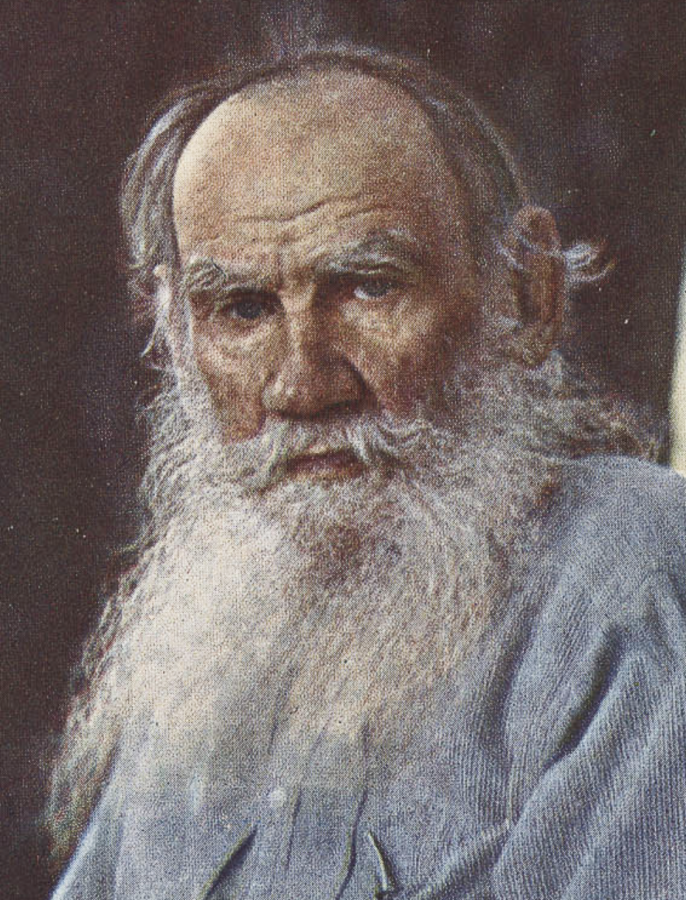
The animal personality is Tolstoy's name for the ordinary ego: the collection of desires, fears, habits, and self-perceptions that constitute what we ordinarily call "I". This personality is not evil — it is the biological given, the necessary starting point of human existence. But it is limited: it seeks only its own pleasure and survival, it sees other persons as means or obstacles, and above all it fears death as the annihilation of everything it values. The animal personality's horizon is the skin: beyond it lies a world of competitors and threats.
Rational Consciousness
Rational consciousness, for Tolstoy, is not primarily the faculty of logical analysis but the capacity to recognise the same consciousness in others that one finds in oneself — and from this recognition to draw the practical conclusion that their welfare matters as much as one's own. It is the faculty by which the self can transcend its biological individuality and identify with a larger whole. This is not a mystical claim but a phenomenological one: the experience of love — genuine love, not desire — is precisely the experience of regarding another's existence as fully real and important as one's own.
The Source of All Suffering
Tolstoy diagnoses the root of all human suffering as the attempt to secure the good of the animal personality by the methods that only rational consciousness can sanction. We want to be loved, admired, secure, and meaningful — but we pursue these goods through the accumulation of property, status, and power, which are animal-personality means. The result is that we get more and more of the wrong things while the actual goods — love, genuine connection, peace of conscience — recede. The reversal he proposes is radical: stop trying to secure the animal personality and instead live from rational consciousness, which is already in possession of what it most deeply seeks.
On Life was written in 1886–87 and submitted to Russian censors, who refused it. It was published in French translation in Paris in 1888 and then in Russian abroad. It is the most systematically philosophical of Tolstoy's religious writings.
Related Concepts