The Problem of the Divided Will
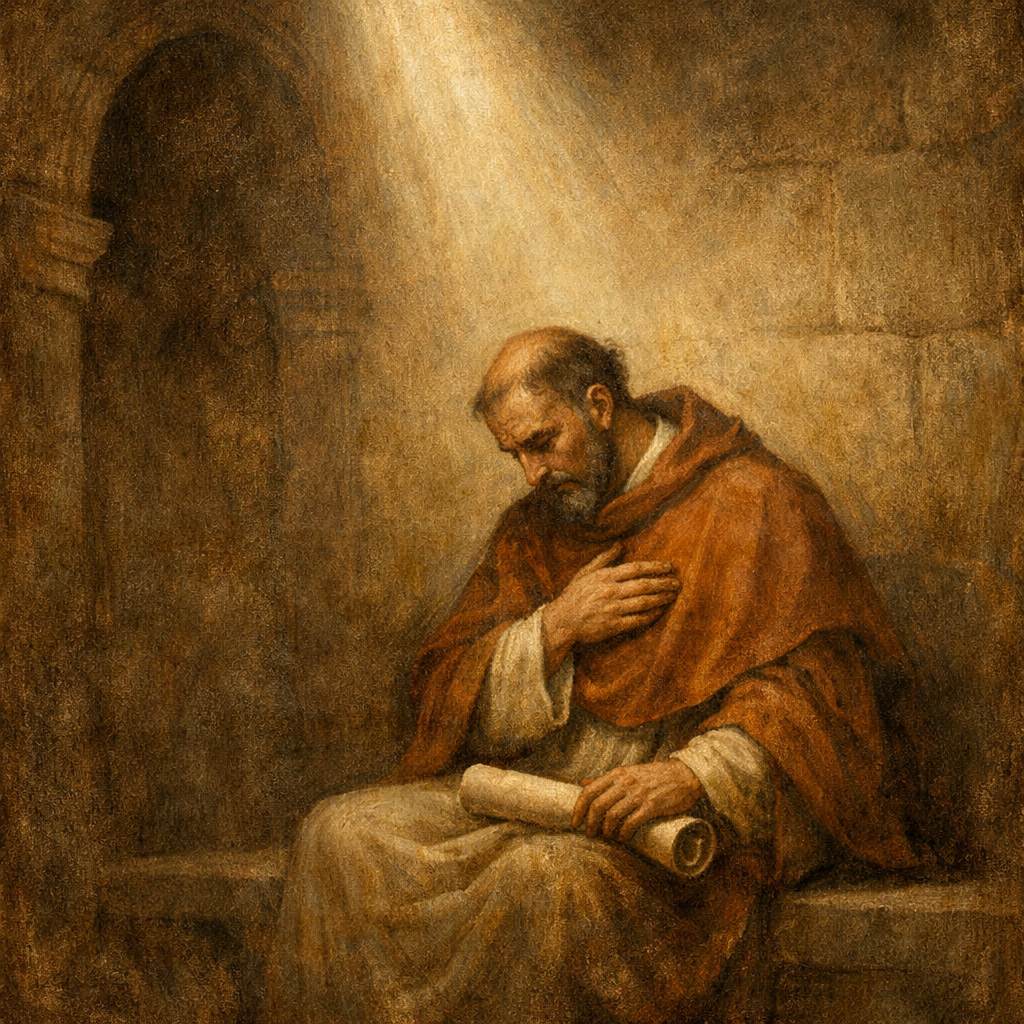
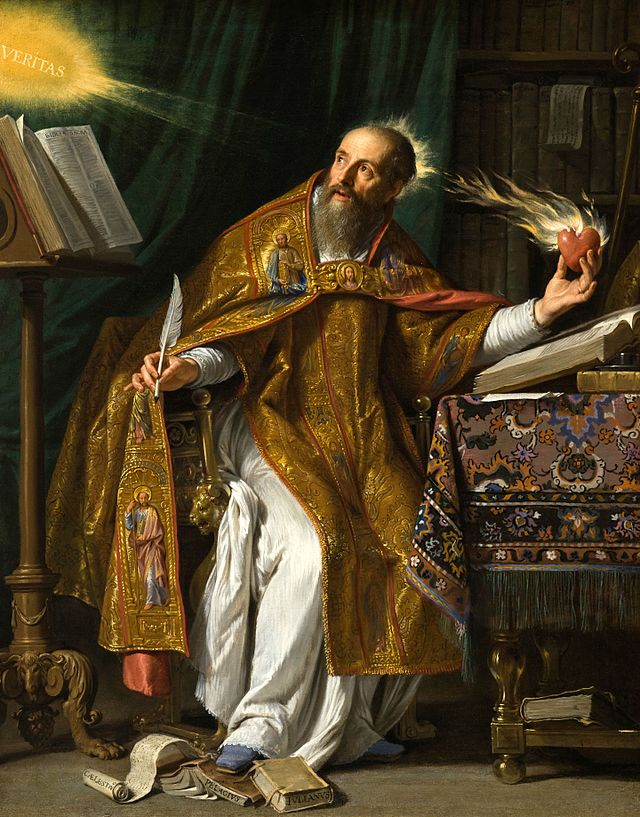
For years Augustine had known intellectually that he should change his life. He believed in God, he understood the argument for conversion, he had even desired it — and yet he remained as he was. This is the puzzle he wrestles with in Book VIII. If I will something, why don't I do it? And if I don't do it, do I really will it at all?
His answer is a subtle analysis of the will's dividedness. There is not one will in tension with an external force — there are two wills within him, both genuinely his, pulling in opposite directions. The will that sought God was real. The will that clung to old habits was equally real. Neither could overpower the other by itself. This is not weakness in the ordinary sense; it is the condition of a soul whose loves are genuinely split.
Thus soul-sick was I, and tormented, accusing myself much more severely than my wont, rolling and turning me in my chain, till that were wholly broken, whereby I now was but just, but still was, held.
Tolle Lege
The resolution does not come through argument or sustained effort of will. It comes through a voice — a child's voice, heard from over a garden wall, chanting a phrase Augustine interprets as a divine command. He picks up Paul's letter, reads a single passage, and the darkness clears. Grace, not reason, breaks the deadlock.
lo! I heard from a neighbouring house a voice, as of boy or girl, I know not, chanting, and oft repeating, "Take up and read; Take up and read."
What This Means Philosophically
The garden scene has profound implications for Augustine's moral philosophy. It suggests that rational persuasion alone is insufficient to move the will when the will is genuinely divided against itself. The intellect can recognise the good without being able to bring the will fully into alignment with that recognition. What is needed is not more argument but a reordering of love — and that reordering is not entirely within the agent's own power to accomplish.
This is not a counsel of passivity. Augustine had spent years pursuing the truth, wrestling with the arguments, trying to change. But his account insists that the final movement of conversion was received, not achieved. It is this that makes the Confessions a work of thanksgiving rather than triumph — the credit, in Augustine's accounting, belongs elsewhere.
The conversion scene appears in Book VIII, chapters 28–29. The phrase "Tolle, lege" (Take up and read) became one of the most cited moments in the history of Christian philosophy.
Related Concepts