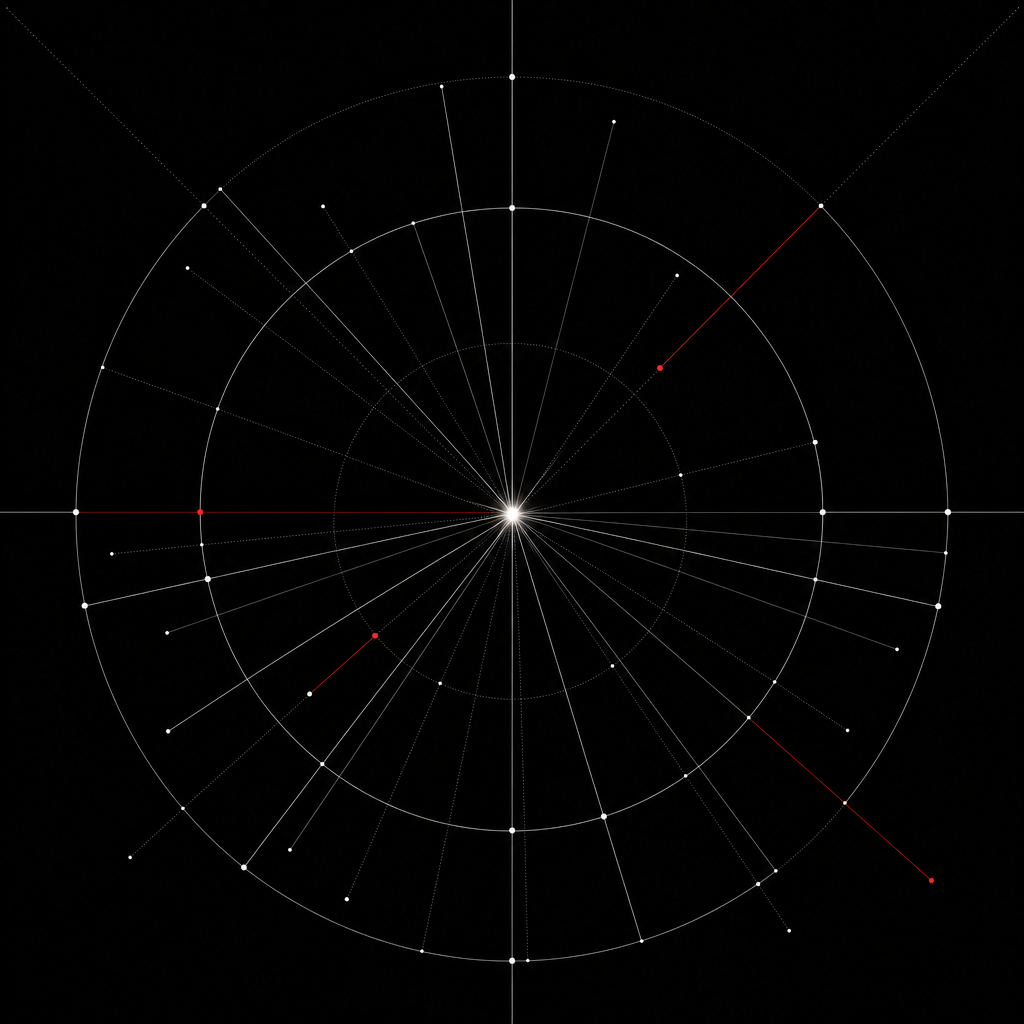
The Three Parts
The rational part (logistikon) is the seat of reason, knowledge, and the love of truth. The spirited part (thymoeides) is the source of anger, honour, and indignation — it bristles at injustice and craves distinction. The appetitive part (epithymetikon) is the source of bodily hungers: food, drink, sex, and money.
Virtue as Right Order
Each part has its characteristic virtue when it performs its proper function. Reason's virtue is wisdom. Spirit's virtue is courage. Appetite's virtue is temperance — not the absence of desire but its willingness to be governed. Justice in the soul is the harmony of all three: reason ruling, spirit supporting it, appetite accepting its authority.
And so, after much tossing, we have reached land, and are fairly agreed
that the same principles which exist in the State exist also in the
individual, and that they are three in number.
Psychology and Politics
The tripartite soul is not merely a psychological theory — it is the key to Plato's political philosophy. Every type of city corresponds to a type of soul: the philosophical city to reason's rule, the democratic city to appetite's rule, the tyrannical city to enslavement by a single monstrous desire. To understand a constitution, look at the psychology it cultivates.
Plato's tripartite soul in The Republic (Book IV) influenced Freud's model of id, ego, and superego — though Freud's divisions track differently.
Related Concepts