Desire Without an Object
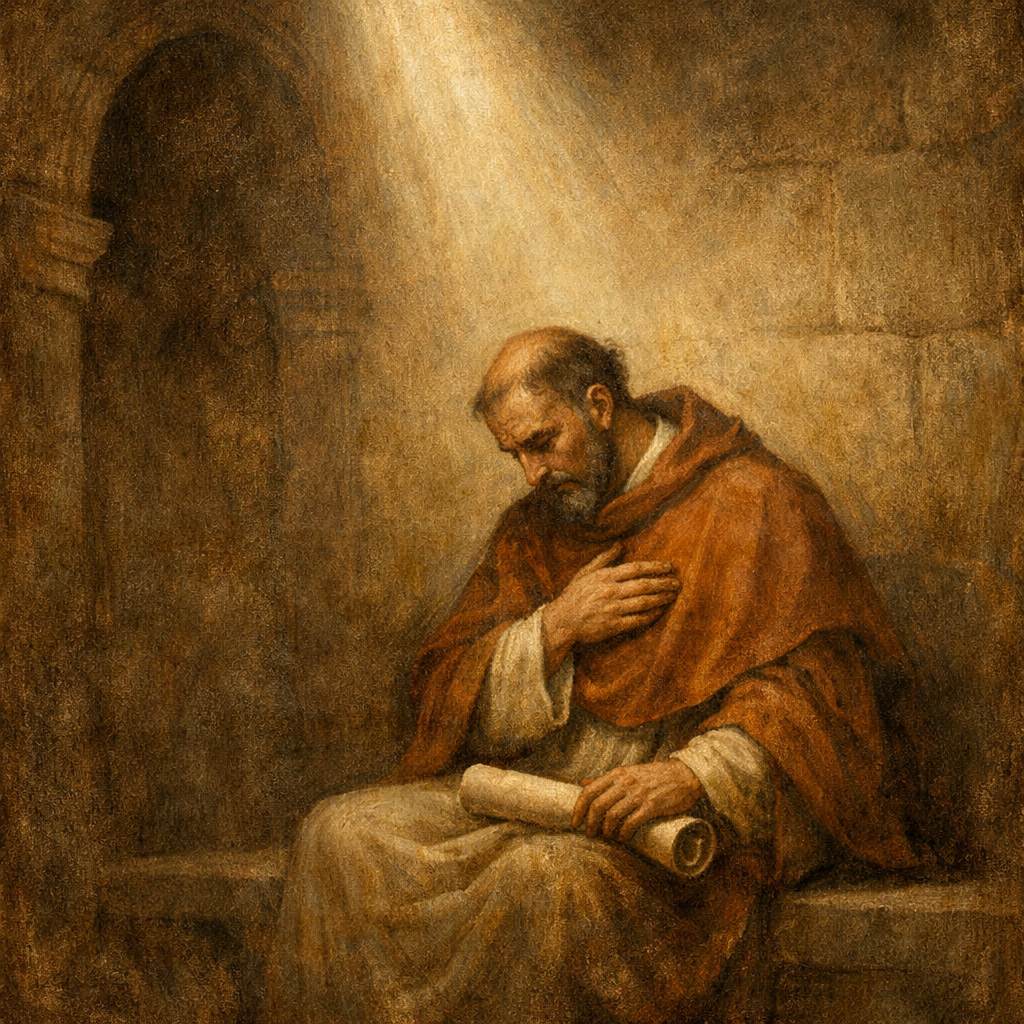
Augustine's central insight is that human beings are characterised by a longing that no finite thing can satisfy. Before his conversion he pursued honour, pleasure, friendship, and intellectual achievement — and found in each of them a pleasure that dissolved as soon as it was grasped. This is not a contingent fact about Augustine personally. He reads it as a structural feature of the soul: the soul is made for an infinite good, and finite goods cannot fill an infinite capacity.
This shapes the entire narrative of the Confessions. The autobiography is not simply a record of sin and repentance — it is a phenomenology of misdirected desire. Every pleasure Augustine pursues outside of God is a displacement, a reaching toward the real object through a substitute. The soul cannot help but seek; the question is only whether it seeks wisely or foolishly.
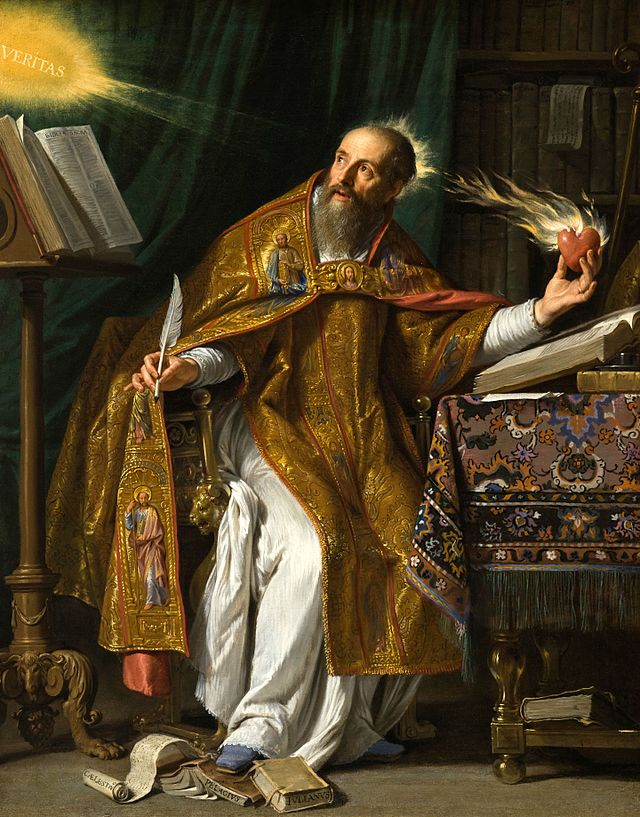
our heart is restless, until it repose in Thee
The Paradox of Restlessness
Augustine's diagnosis has an interesting structure. The restlessness is not itself evil — it is the sign of the soul's orientation toward God, even when the soul does not know what it is seeking. The person who pursues pleasure after pleasure, never satisfied, is paradoxically closer to the truth than the person who settles comfortably for something less. Dissatisfaction is a kind of negative testimony to the soul's true destination.
This also explains Augustine's distinctive tone in the Confessions. He does not write as a moralist condemning his past self from a safe distance. He writes with sympathy for the younger Augustine, because the desires that led him astray were real and deep — they were misdirected expressions of the love of God. The corruption was in the direction, not in the capacity to love.
A Philosophy of Love
For Augustine, the whole of the moral and spiritual life can be described in terms of love — what we love, in what order, and with what intensity. The soul that loves God above all things and other things in God is rightly ordered. The soul that loves any creature as if it were the ultimate good is disordered — not because created things are bad, but because they cannot bear the weight of a love that belongs to God alone. The restless heart is the heart that has put its final trust in something that will not hold.
The restless heart appears in the opening paragraph of Book I. The theme runs throughout the Confessions but receives its most concentrated philosophical treatment in Books IV and X.
Related Concepts