The Philosopher's Problem
Aristotle's God — the unmoved mover — thinks only itself, the thinking of thinking. Any relationship to the particulars of the created world would introduce change and multiplicity into the divine nature, which must be absolutely simple and unchanging. Al-Farabi and Avicenna had tried to solve this by saying that God knows particulars "in a universal way" — knows the general form without knowing the specific instance. Al-Ghazali rightly saw this as a verbal solution: a God who does not know this particular rain shower does not know whether any particular prayer was answered or whether specific prophets received genuine revelations.
Averroes's Alternative
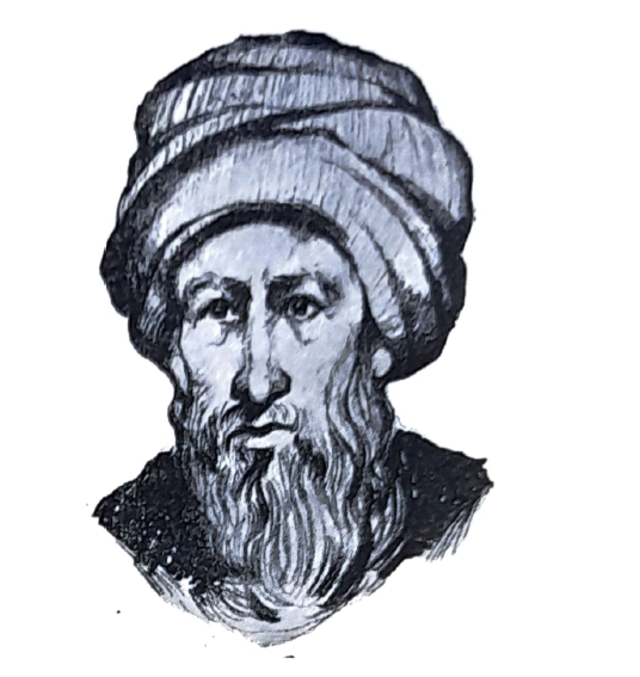
Averroes's solution is more radical: God's knowledge is not analogous to human knowledge and cannot be described by the same categories. When we say God knows, we must not think of the kind of knowing that moves from ignorance to knowledge through encounter with an object; divine knowledge is the cause of its object, not a response to it. God knows the world not by perceiving it from outside but by being its generative principle — the way an architect's knowledge of a building is not derived from the building but precedes and produces it. This divine knowledge is "neither universal nor particular" in the human sense; it is a mode of knowing that has no analogue in human cognition.
Analogy and Divine Transcendence
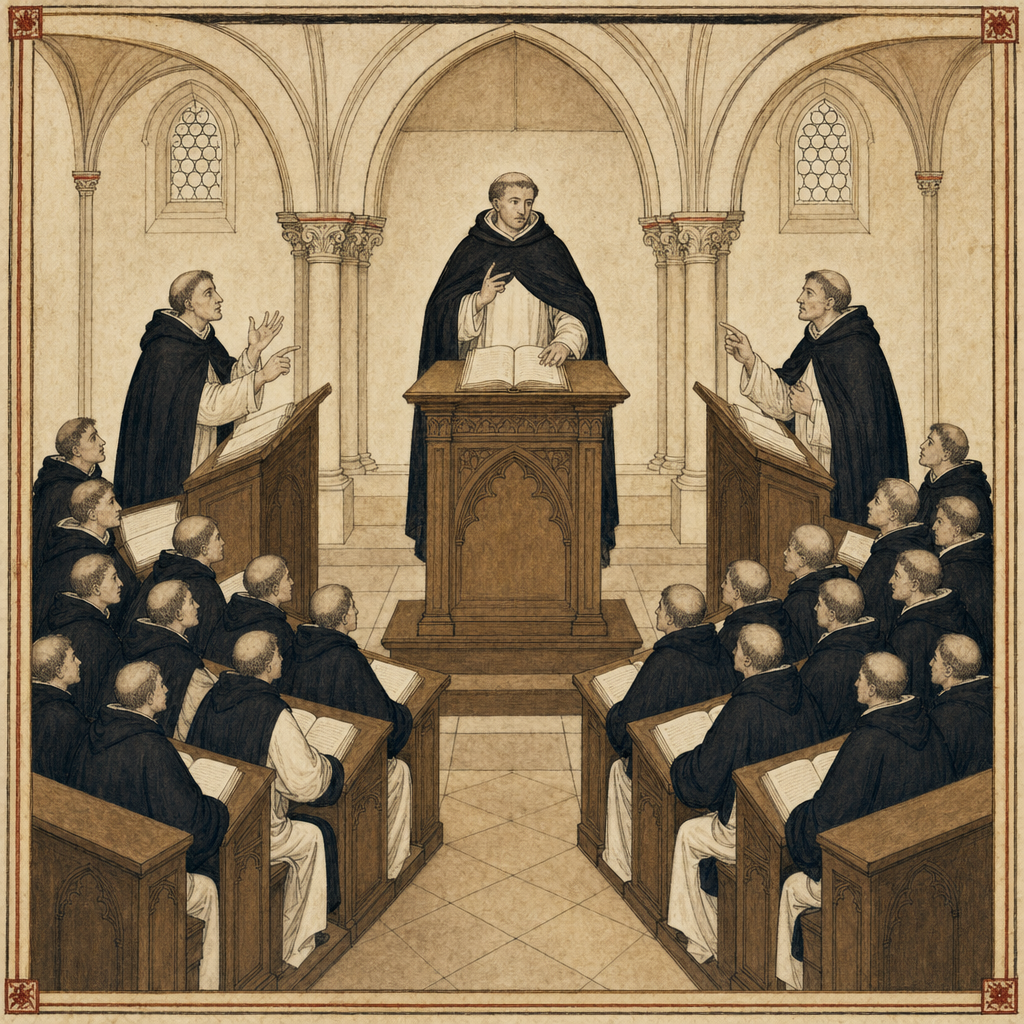
Averroes's move anticipates Thomas Aquinas's doctrine of analogical predication: terms applied to God cannot mean exactly what they mean when applied to creatures, but neither are they purely equivocal. Divine knowledge, divine goodness, divine existence — these are real predicates but they apply to God in a mode that infinitely exceeds the creaturely versions we begin from. The philosophical achievement of the Incoherence of the Incoherence at this point is to show that the theologians' demand for a God who knows particulars like a human being knows them is itself a failure of theological understanding — an anthropomorphism that the philosophers, properly understood, were trying to avoid.
The problem of divine knowledge of particulars is discussed in the Third Discussion of the Incoherence of the Incoherence, responding to al-Ghazali's Third Discussion in the Incoherence of the Philosophers. Averroes's solution influenced Maimonides and, through the Latin translation of his works, Thomas Aquinas's discussion of divine knowledge in the Summa Theologiae.
Related Concepts