The Legal Question
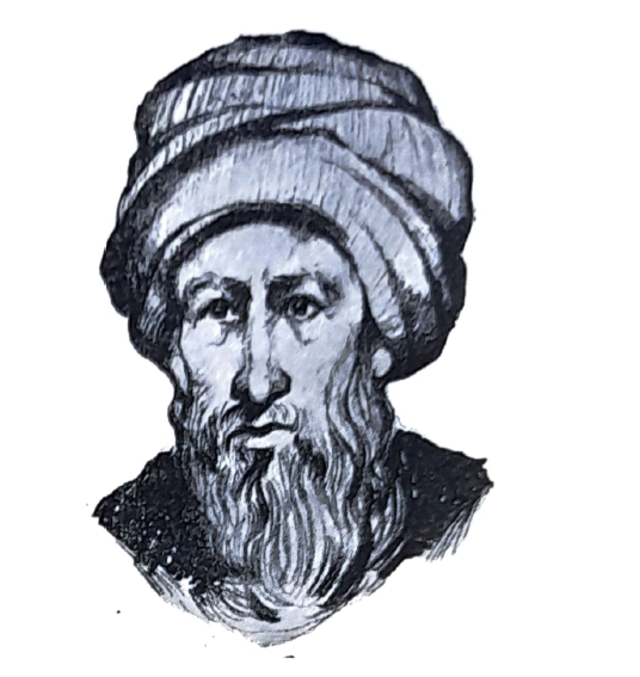
Averroes frames the Decisive Treatise as a legal responsum — a fatwa — because only the law can authoritatively determine what is required, permitted, or forbidden. His strategy is to show that the study of philosophy is not merely intellectually valuable but legally required: the Quran commands reflection on creation ("Consider, O you who have eyes to see"), and the most rigorous form of reflection is demonstrative philosophy. If philosophy is the investigation of existing things through demonstrative reasoning, and if such investigation leads to knowledge of God, then philosophy is not merely allowed but obligatory for those with the intellectual capacity to pursue it.
Three Classes of People
Central to Averroes's argument is his tripartite division of the Quranic audience. The Quran speaks in three modes: rhetorical (for the majority who are persuaded by stories, examples, and calls to feeling), dialectical (for the theologians who examine and dispute doctrines), and demonstrative (for the philosophers who seek proof). Each class receives the truth appropriate to its capacity. The error of the theologians — including al-Ghazali — was to employ dialectical arguments on audiences capable only of rhetorical persuasion, or to presume that their dialectical theology represents the whole of religious truth. The philosophers, with their demonstrative method, are the true heirs of Quranic wisdom.
The Esotericism of Interpretation
When philosophy produces results that appear to conflict with the literal meaning of scripture, Averroes argues, the philosophical conclusion must stand and the text must be interpreted allegorically. But — crucially — this allegorical interpretation must not be communicated to those unable to follow the demonstrative arguments that justify it. The masses must receive the Quran as it sounds; the theologians receive their dialectical debates; only the philosophers receive the inner meaning. This esotericism is not manipulation but pedagogy: truth received without the understanding that supports it becomes a source of confusion and unbelief, as the theologians'own controversial disputes had demonstrated.
The Decisive Treatise (Fasl al-Maqal) was written around 1179 CE and was translated into Latin, along with the Exposition of the Methods of Proof, in the thirteenth century. The doctrine associated with "Averroism" in the Latin tradition — the double truth, meaning that something can be philosophically true and theologically false — is a misreading: Averroes's own position is that philosophy and true religion cannot contradict each other, since both are paths to the same truth.
Related Concepts