Particulars and Universals
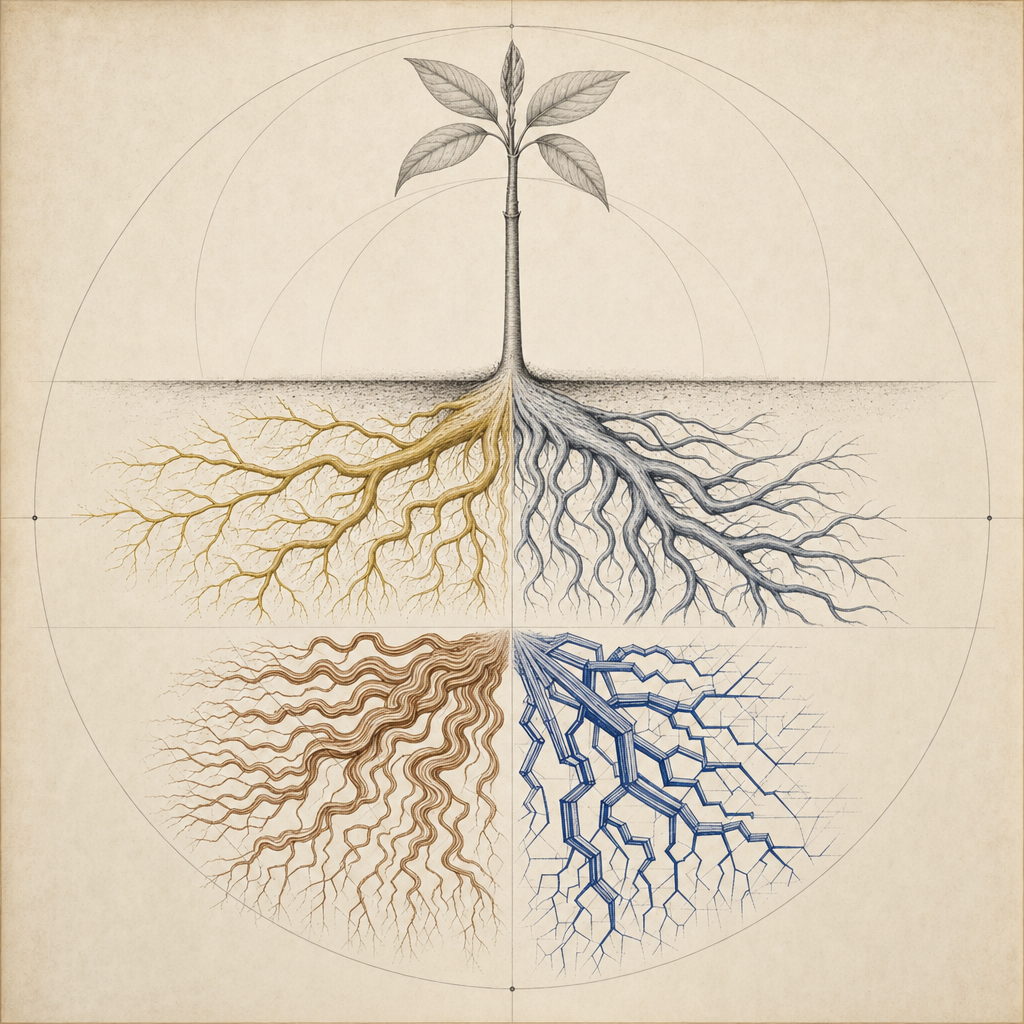
Any beautiful object will eventually fade or be destroyed. But the Form of Beauty — what makes all beautiful things beautiful — does not change. The physical world is a realm of becoming; the Forms are a realm of being. Knowledge of the Forms is genuine knowledge; perception of particulars is merely opinion.
Beauty absolute, separate, simple, and everlasting, which without diminution and without increase, or any change, is imparted to the ever-growing and perishing beauties of all other things.
The Problem of Participation
How do particular things relate to Forms? Plato says they "participate" in or "imitate" the Forms — but this relation remained philosophically problematic. Aristotle pressed the "Third Man Argument": if what makes two men similar is their sharing in the Form of Man, what explains the similarity between those two men and the Form? Another Form? This generates an infinite regress.
The theory of Forms was profoundly influential in neo-Platonic and Christian thought, where Forms were reinterpreted as divine ideas in the mind of God. Augustine's illuminationism draws directly on this framework.
Related Concepts