The Problem He Couldn't Escape
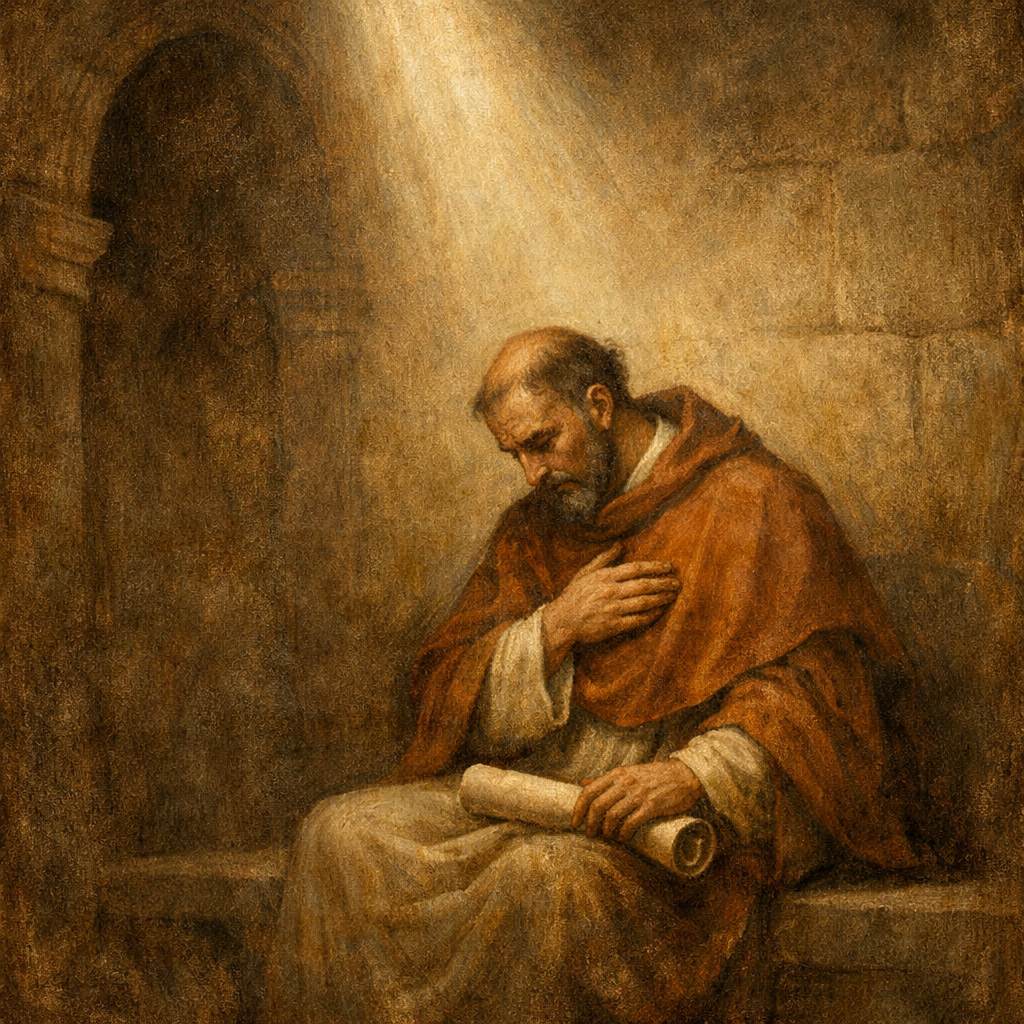
The problem of evil is simple to state: if God is wholly good and all-powerful, why does evil exist? The Manichean answer was blunt — because there is a second principle, a force of darkness as ultimate as the force of light. This satisfied Augustine for years because it seemed to explain evil without blaming God. But it also meant that God was not truly omnipotent — there was something outside him he had not made and could not control.
And I sought "whence is evil," and sought in an evil way; and saw not the evil in my very search.
The Neoplatonist Solution
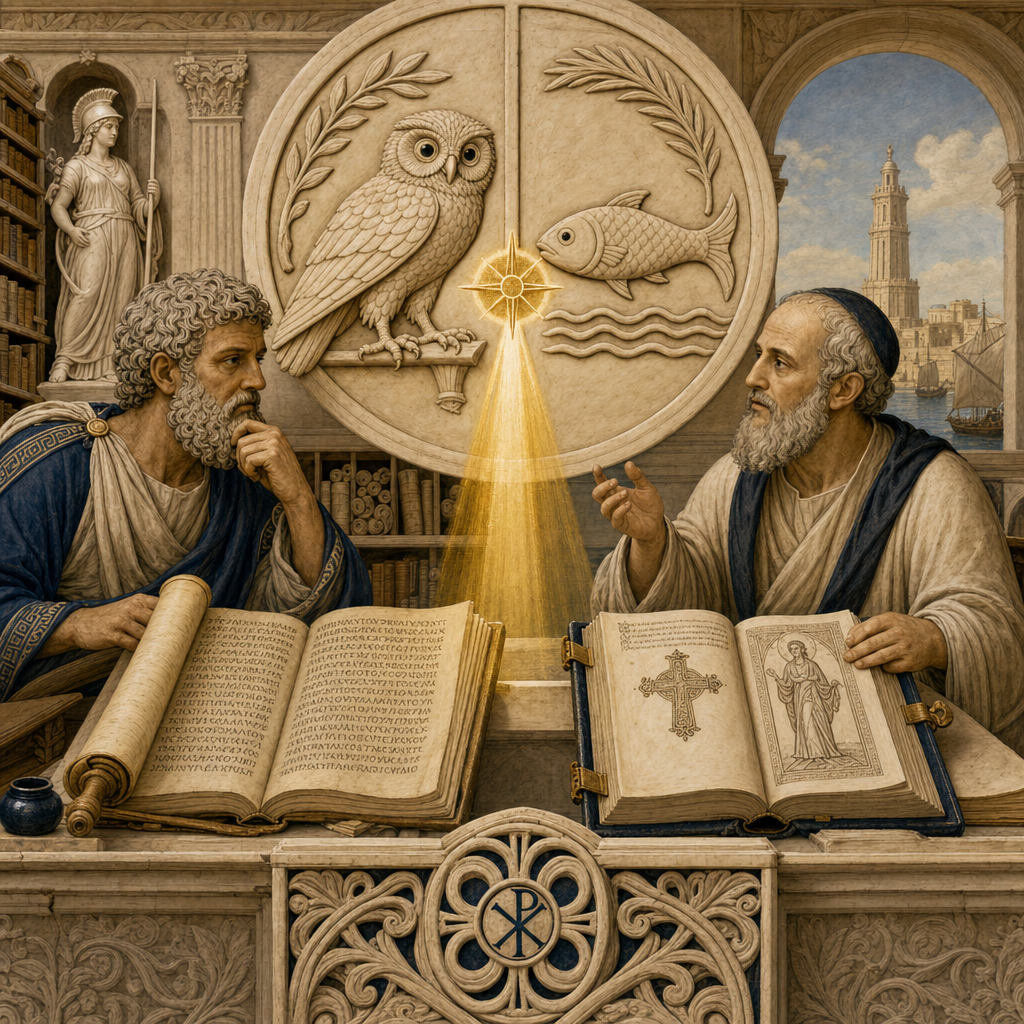
The breakthrough came through his reading of the Neoplatonists — particularly Plotinus. They offered a way of thinking about being in which everything that exists, precisely because it exists, participates in goodness. Evil is not a substance, a thing, an independent power. It is a privation — an absence of good in something that ought to have it, the way blindness is not a substance but the absence of sight in something that should be able to see.
This means that nothing God made is evil in itself. Corruption is not a rival substance corrupting things from outside — it is the diminishment of the goodness that things already have. And crucially, a thing that was wholly deprived of goodness would simply cease to exist. Evil therefore cannot be ultimate; it is always parasitic on the good it diminishes.
it was manifested unto me, that those things be good which yet are corrupted; which neither were they sovereignly good, nor unless they were good could be corrupted
Nothing is Evil to God
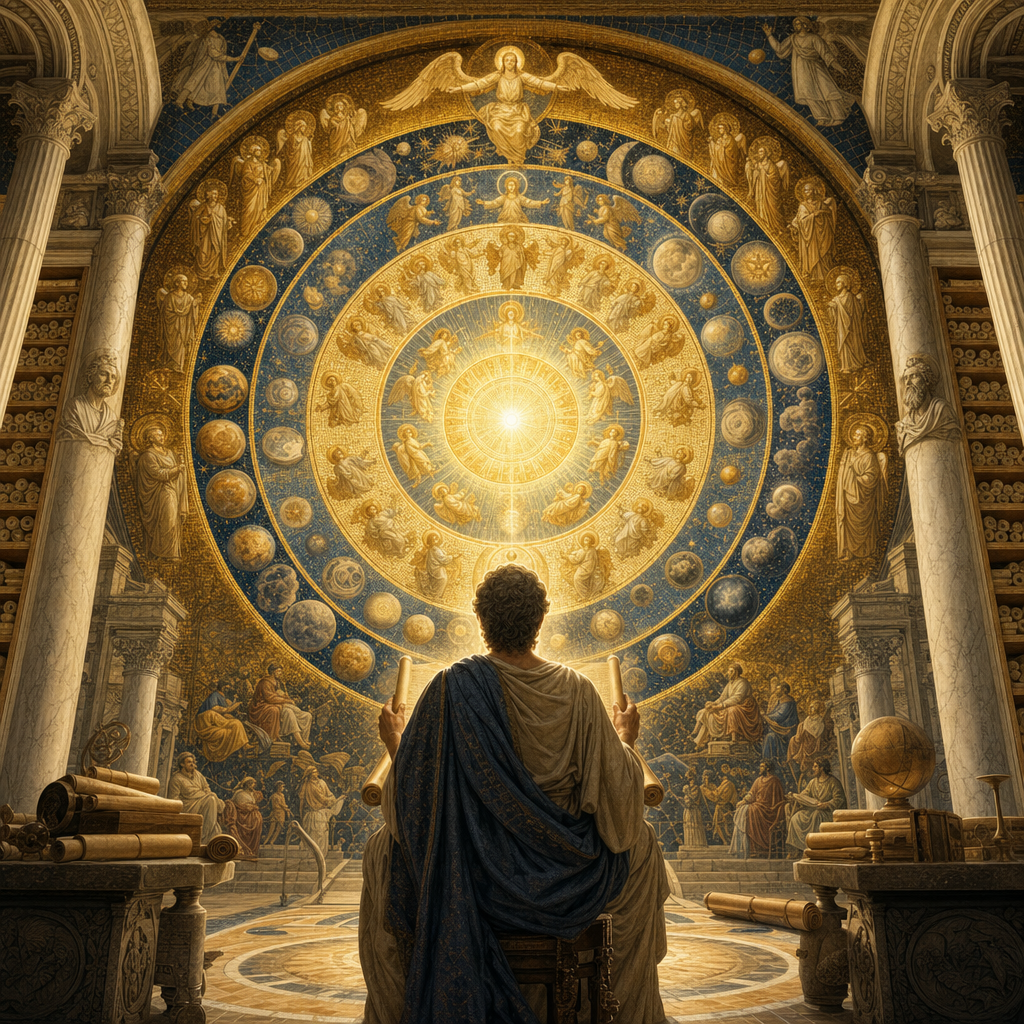
The conclusion Augustine draws is striking. Seen from the perspective of the whole, there is no evil in creation — only things that are good in different degrees and in different relations. What appears evil from a limited vantage point — a storm, a predator, decay — is part of an order that, taken as a whole, is good. The appearance of evil is an artifact of perspective, not a feature of reality.
And to Thee is nothing whatsoever evil: yea, not only to Thee, but also to Thy creation as a whole
This does not dissolve the problem entirely — it shifts the question to moral evil, to the evil of free choices. But it dissolves the metaphysical version: there is no evil stuff, no dark principle, no second god. Everything that exists is good. Evil is what happens when free creatures turn away from the good they are made for.
Augustine's solution to the problem of evil is worked out in Book VII, in the context of his encounter with Neoplatonist philosophy. It draws heavily on Plotinus's Enneads.
Related Concepts