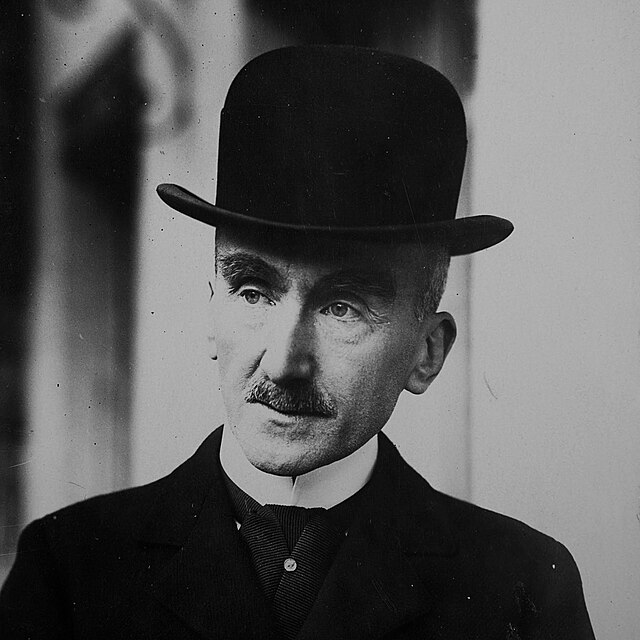
The Illusion of Intensive Magnitude
Common sense speaks of a greater joy or a sharper pain as if feelings had sizes. But a more intense sensation does not contain a less intense one the way a larger space contains a smaller. When we think it does, Bergson shows, we are unconsciously picturing the sensation’s external cause — the number of pinpricks, the height of the weight — and reading its measurable quantity back into the quality we actually feel.
The moment was inevitably bound to come at which science, familiarized with this confusion between quality and quantity, between sensation and stimulus, should seek to measure the one as it measures the other: such was the object of psychophysics.
What Really Changes
When a feeling seems to grow, what changes is not a magnitude but the whole quality of the conscious state — new elements enter, the coloring of the whole shifts. A rising desire is not more of the same thing; it is a qualitative transformation of the self. To call this an increase in quantity is to describe a symphony by counting its notes.
The Stakes
The argument is the thin end of Bergson’s wedge. If inner states are qualitative and interpenetrating, they cannot be laid out and measured like things in space — and the determinist picture, which treats motives as forces of definite magnitude pushing the will, loses its foothold before it begins. The critique of measurement clears the ground for the defense of freedom.
The critique of psychophysics and intensive magnitude is the whole of Chapter I of Time and Free Will.
Related Concepts