Two Doctrines, One Assumption
Radical mechanism treats the living world as a system whose every state is deducible from a prior state, as an astronomer computes an eclipse. Radical finalism inverts the arrow — the end is what explains — but keeps the assumption intact: the future pre-exists, whether in the initial conditions or in the goal. In either case nothing is truly invented; time adds nothing.
Finalism as Inverted Mechanism
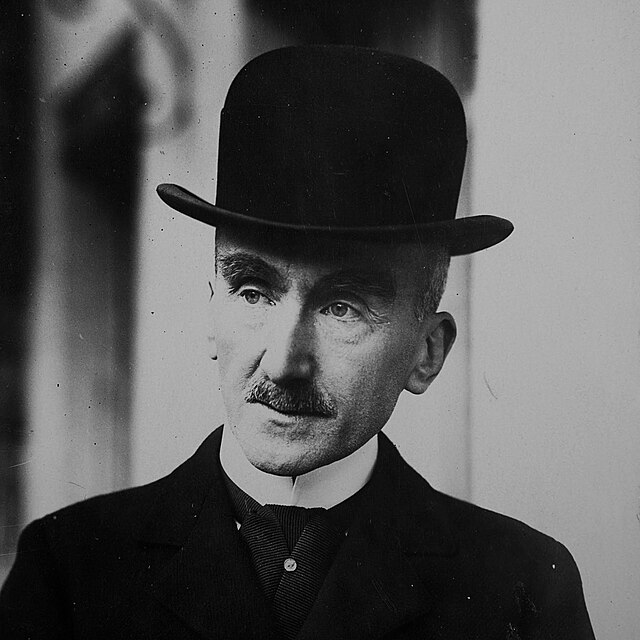
Bergson’s sharpest move is to show that finalism is only mechanism read backwards. To speak of an end is to imagine a pre-existing model that merely gets realized — to suppose, once more, that the future can be read in the present.
To speak of an end is to think of a pre-existing model which has only to be realized. It is to suppose, therefore, that all is given, and that the future can be read in the present.
The Reality of Time
Against both, Bergson insists that life progresses and endures in time — that duration is not an illusion overlaid on a timeless reality but the very stuff of the real. The road of evolution is created as it is travelled, being nothing but the direction of the act of travelling itself. Retrospective explanation is legitimate; prediction is not. The finalist and the mechanist alike mistake a view from the finished road for a map drawn before the journey.
The critique of mechanism and finalism runs through Chapter I; the “all is given” formula is its refrain.
Related Concepts