The Universal Principle
The Logos, for Heraclitus, is not merely human reason but the rational structure of reality itself. It is what makes change lawful rather than arbitrary, what ensures that the sun keeps its measures and does not overstep them. Everything happens according to the Logos — and yet most people go through their lives as though they had never encountered it.
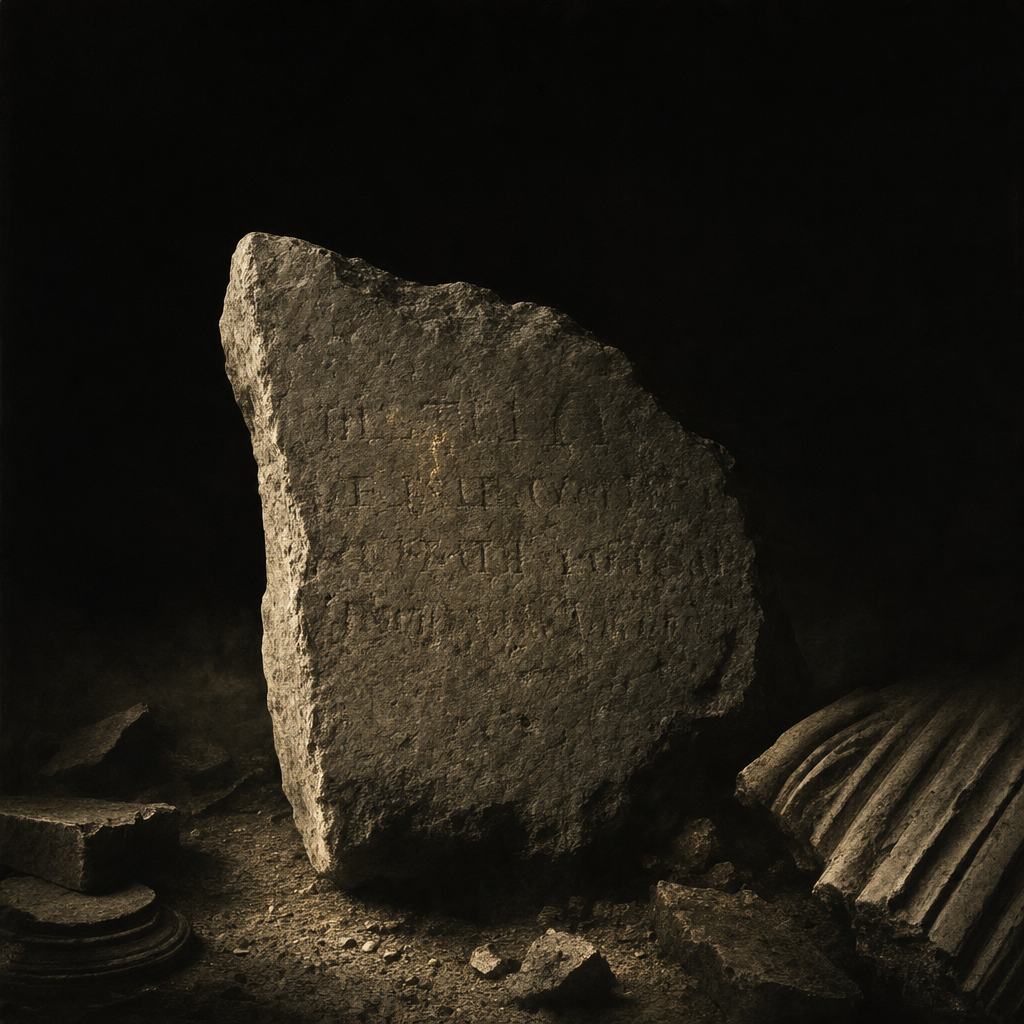
To this universal Reason which I unfold, although it always exists, men make themselves insensible, both before they have heard it and when they have heard it for the first time.
The Sleeping Many
Heraclitus was scathing about popular opinion. The many, he wrote, live as if in private worlds, each shutting himself off from the common. They are like sleepers who have retreated into their own dreams. Waking, by contrast, means attending to the one shared Logos — the common thread of reason accessible to all but grasped by few.
To those who are awake, there is one world in common, but of those who are asleep, each is withdrawn to a private world of his own.
This is not simple intellectual elitism. Heraclitus's complaint is not that the many are unintelligent but that they do not attend. They hear the Logos but cannot understand it because they are too caught up in private concerns, conventional opinion, and the desire to seem clever. The path to wisdom requires a kind of self-abnegation — listening to the structure of things rather than the noise of one's own thoughts.
Word and World
The Greek word logos means speech, reason, account, and proportion all at once — a productive ambiguity Heraclitus exploited deliberately. The Logos is at once the spoken account of how things are, the rational principle explaining why they are that way, and the measure governing natural processes. Later Stoics would make logos the fiery rational principle that permeates the cosmos; the Gospel of John would open with "In the beginning was the Logos." Both traditions were working in Heraclitus's shadow.
The word logos appears in Fragment 1 and recurs throughout what survives. Scholars disagree on whether Heraclitus intended it as a technical term — a named principle — or simply as the ordinary Greek word for "account." The philosophical tradition chose to read it as the former, and that reading transformed Western thought.
Related Concepts