No Final End
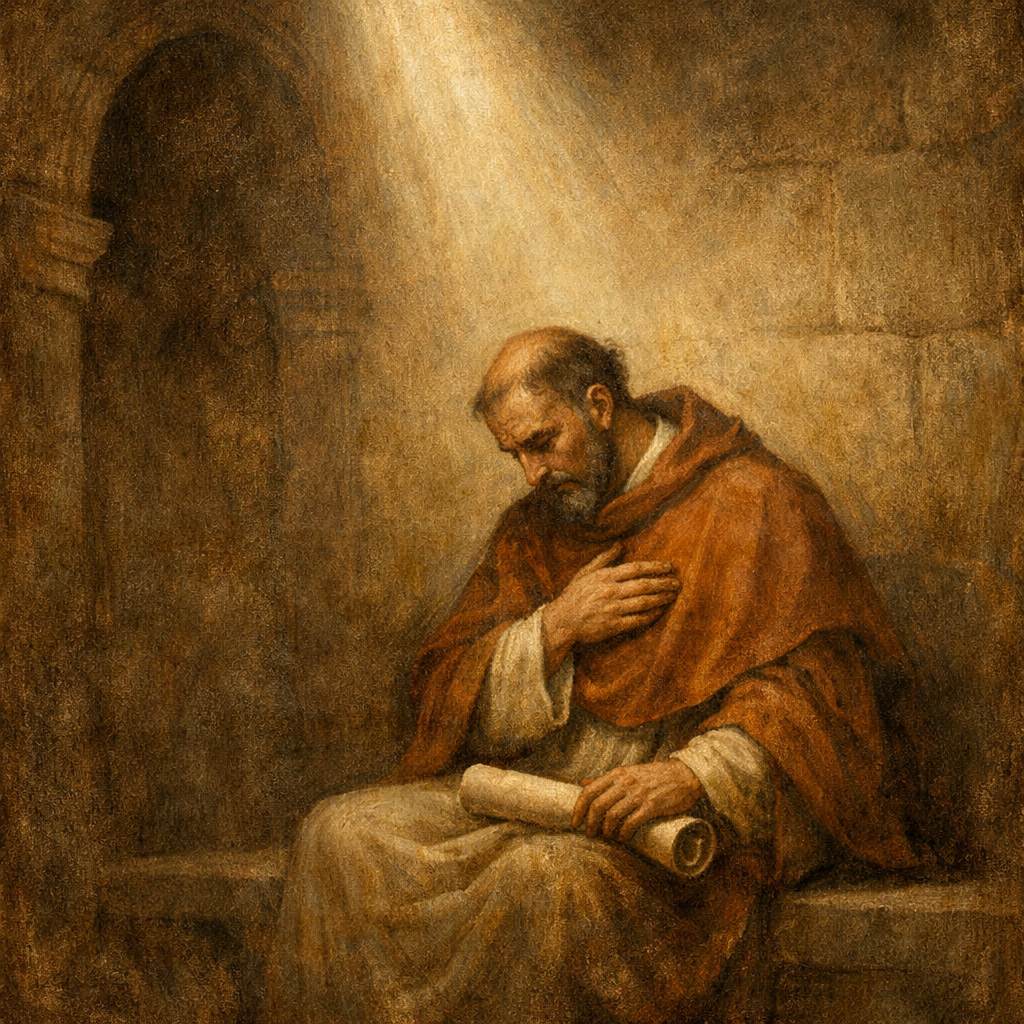
Hobbes explicitly rejects the tradition of the summum bonum — the greatest good, the final end of human life, toward which all other goods are ordered. For Aristotle, happiness is that end: a stable condition of excellent activity that we want for its own sake and not as a means to anything further. Hobbes denies that any such end exists. Human beings do not have a destination; they have a trajectory — and the trajectory is onward.
Felicity is a continuall progresse of the desire, from one object to another; the attaining of the former, being still but the way to the later.
Power as the Universal Instrument
If felicity is the continuous satisfaction of successively arising desires, then what is needed to achieve it is not any particular good but the capacity to secure future goods in general. This is why Hobbes defines power as the universal human desire: not power as domination, but power in the abstract — the present means to obtain apparent future good. Every specific desire is a desire for power, because power is what allows us to satisfy whatever we will want next.
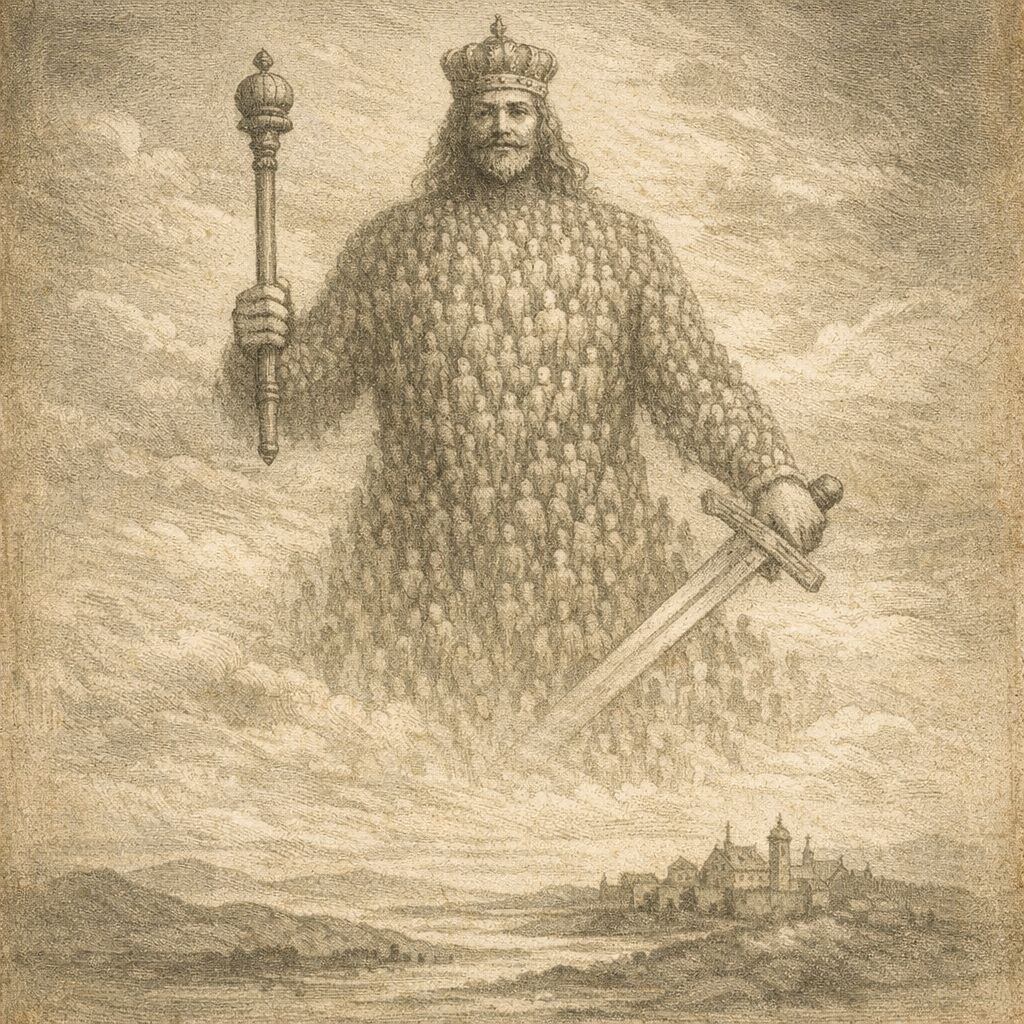
This analysis gives political philosophy its foundation. If people are by nature restless desire-machines seeking power in order to satisfy continuously replacing desires, then conflict is not an aberration but a structural feature of human interaction. Two people seeking the same scarce thing will come into conflict, not out of malice, but out of the same rational self-interest that drives all human behaviour. The state of nature follows as a logical consequence of Hobbes's psychology.
Against Contemplative Happiness
The deepest implication of Hobbes's account is the rejection of the contemplative ideal — the ancient and medieval conviction that the highest human happiness consists in knowing the truth, or loving God, or achieving wisdom. For Hobbes there is no such restful peak. The mind that has found truth does not rest in it; it moves on to the next question. A man whose desires are satisfied is not happy — he is dead, or as good as dead. Motion is life. The restlessness that older philosophy tried to cure is, for Hobbes, simply what being human means.
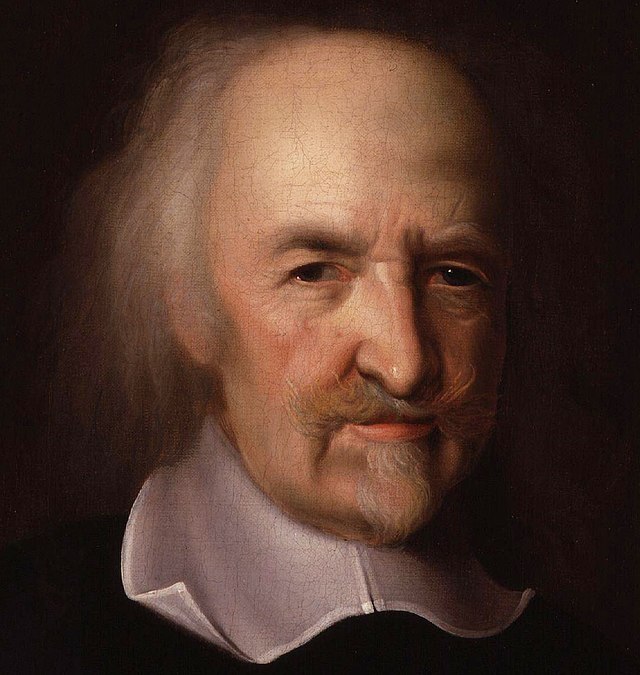
The account of felicity appears in Chapter XI of Part I, in a passage that also introduces the general inclination of mankind toward "a perpetuall and restlesse desire of Power after Power, that ceaseth onely in Death." Hobbes's rejection of the summum bonum is one of the clearest breaks between early modern and ancient political philosophy.
Related Concepts