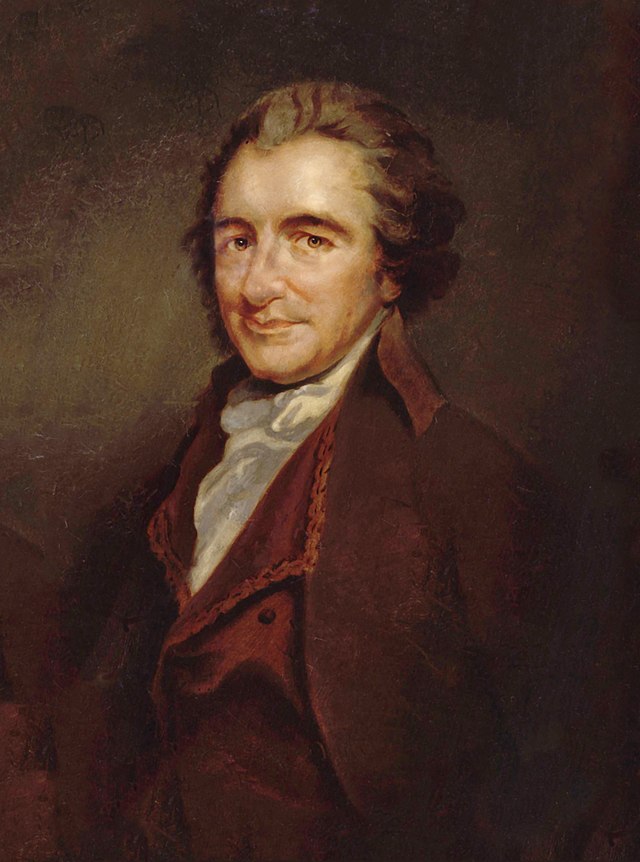
Rights from Creation, Not Concession
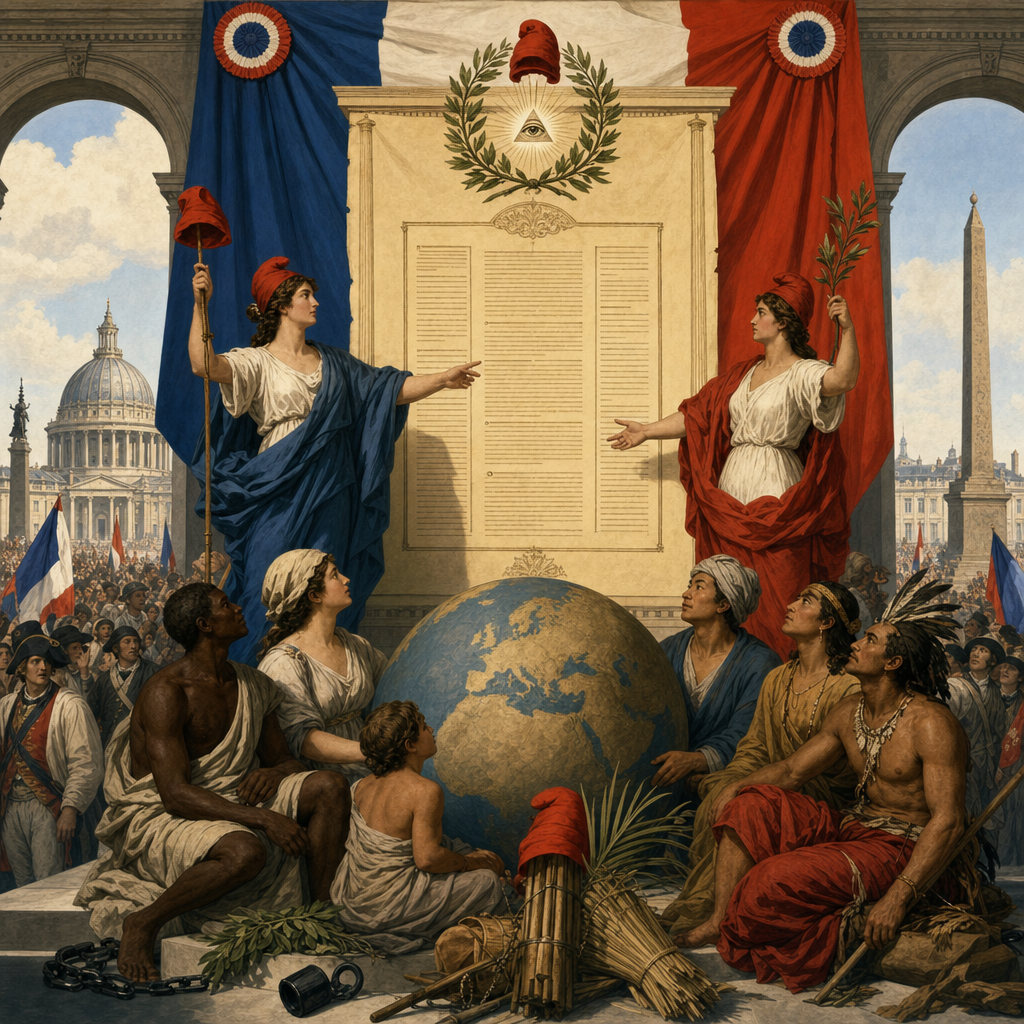
Paine's fundamental claim is that rights are not gifts from governments that could equally be withheld: they are properties of persons that governments are instituted to protect. A right granted by a legislature is not a right in the proper sense but a privilege — something that can be taken back by the same authority that gave it. Natural rights, by contrast, exist prior to all human legislation: the right to exist, to think, to speak, to associate, to trade. These are conditions of human flourishing that any legitimate political order must respect because it did not create them.
The Attack on Burke
Rights of Man is structured as a refutation of Edmund Burke's Reflections on the Revolution in France, and on the question of rights the disagreement is total. Burke argued that English liberties were not abstract natural rights but concrete historical achievements — the accumulated inheritance of past generations, embodied in customs, institutions, and charters. For Burke, the Revolution's proclamation of universal abstract rights was the delusion of rationalism untethered from history. Paine replies that inherited customs cannot be rights: a custom is what has been done, not what ought to be done. The appeal to tradition is the appeal to the authority of the dead over the living — a claim that Paine regards as self-evidently absurd.
Civil Rights as Natural Rights Exchanged
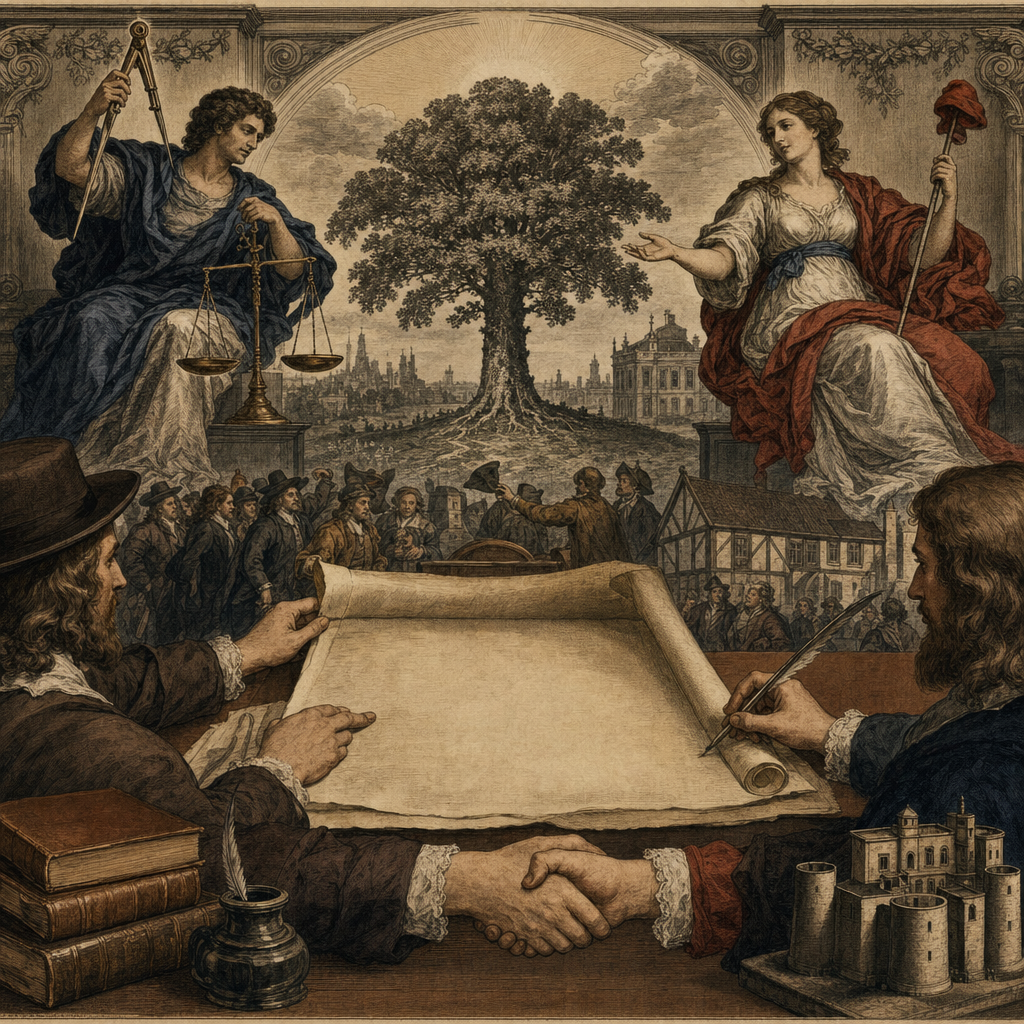
Paine distinguishes natural rights from civil rights. Natural rights are those a person can exercise alone — freedom of thought, freedom of conscience. Civil rights are natural rights whose exercise requires the cooperation of others and is therefore delegated to society: the right to a fair trial, for instance, or the right to contract enforcement. Civil rights are natural rights deposited with society for the common good, not concessions from power. This distinction allows Paine to defend a strong individual-rights position while acknowledging that living in society requires people to delegate some of their natural powers to a common authority.
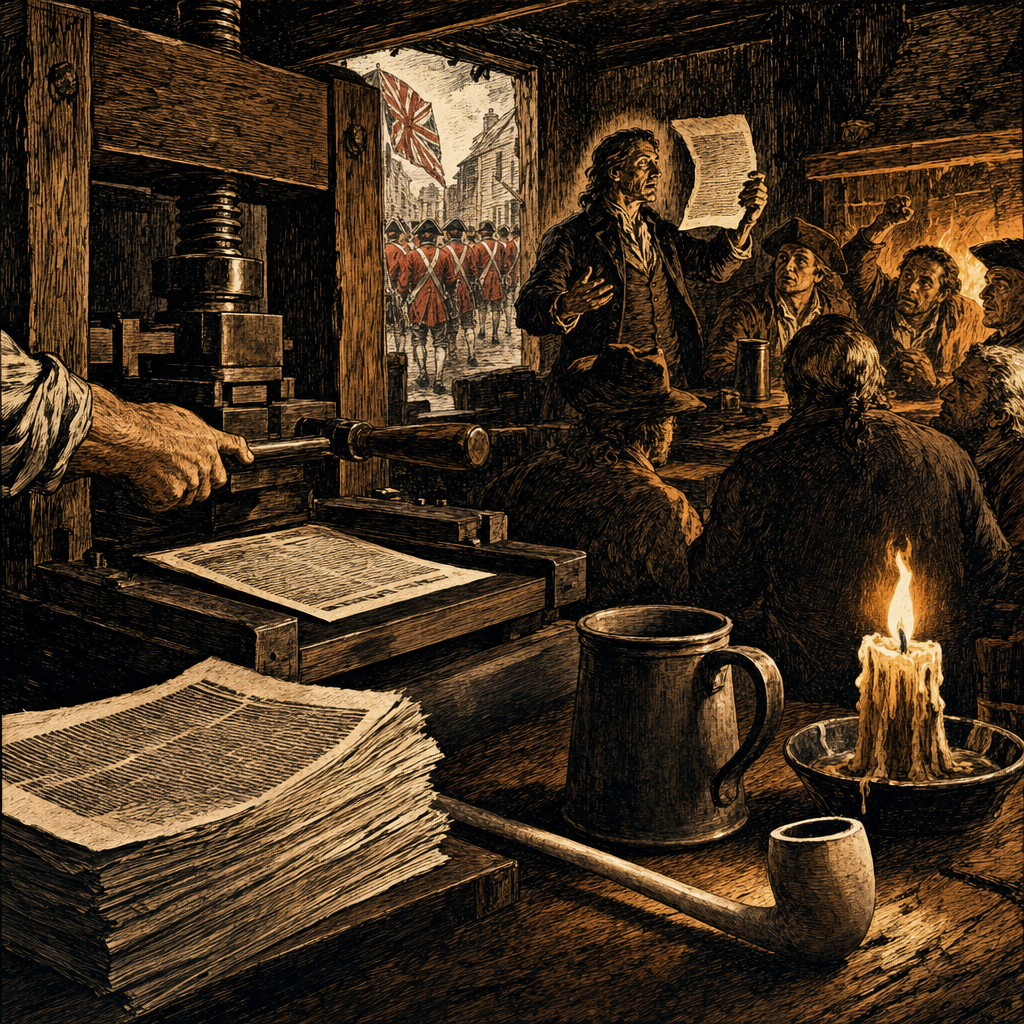
Rights of Man appeared in two parts, in 1791 and 1792. The second part, which proposed a welfare state funded by progressive taxation, was more radical than the first and led to Paine's prosecution for seditious libel. He had already fled to France before the trial; he was convicted in absentia and outlawed in Britain.
Related Concepts