Against Imaginary Republics
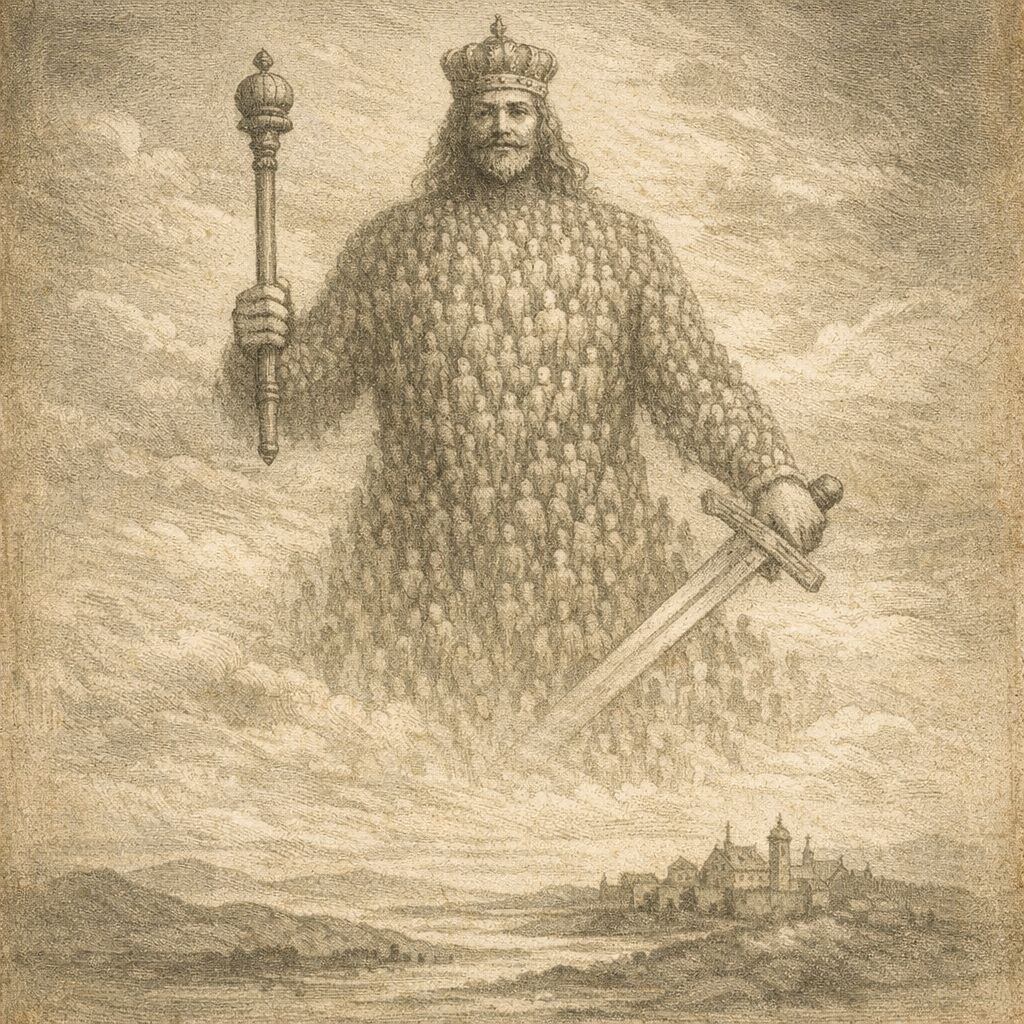
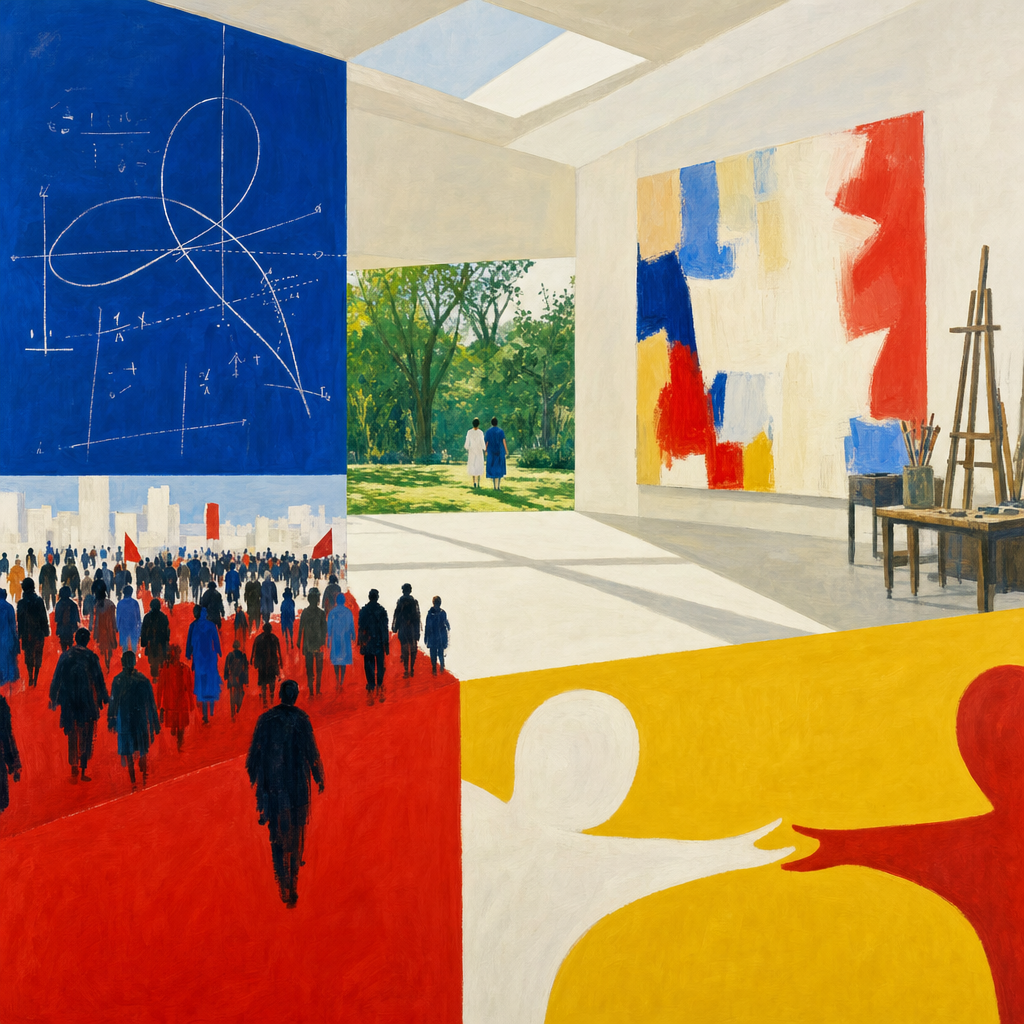
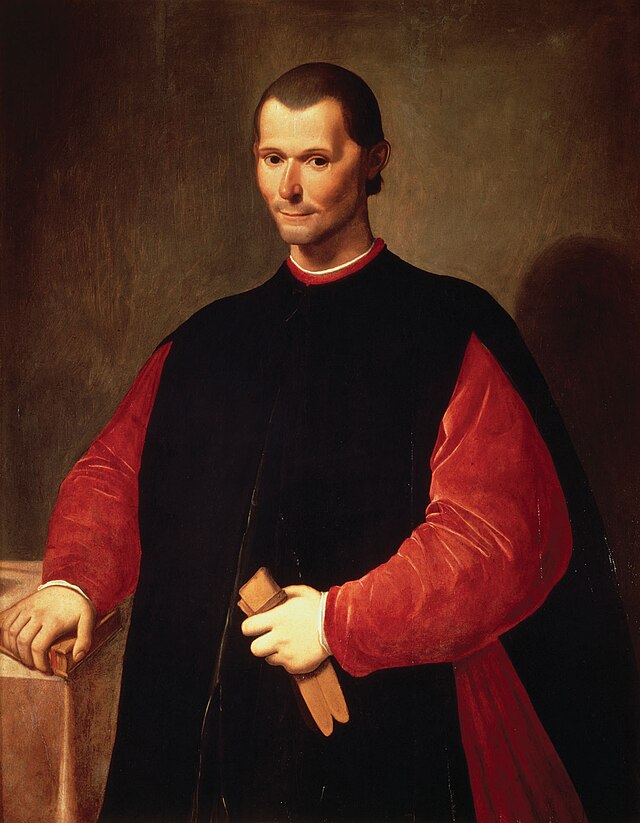
The Prince opens a rift in Western political thought. Where Plato had described the ideal city and Cicero the life of the perfect statesman, Machiavelli refuses the exercise altogether. He will not write about how princes ought to be, but how they are and must be. The gap between the imagined and the actual, he argues, is not a deficiency to be overcome by moral education — it is the permanent condition of political life.
it appears to me more appropriate to follow up the real truth of the matter than the imagination of it; for many have pictured republics and principalities which in fact have never been known or seen, because how one lives is so far distant from how one ought to live, that he who neglects what is done for what ought to be done, sooner effects his ruin than his preservation
The Knowledge That Saves
The operative phrase is "the effectual truth of the thing" — the truth that has effects, that touches actual outcomes. This is knowledge in the mode of the physician who studies disease, not in the mode of the theologian who studies salvation. A prince who understands only what is praised will be undone by those who know what actually succeeds. Virtue, for Machiavelli, is not the philosopher's virtue but virtù: energy, cunning, adaptability, and the capacity to act decisively under pressure.
This shift does not celebrate wickedness — Machiavelli never quite says cruelty is good. But it does insist that certain virtues, consistently practiced, lead to ruin, while certain vices, judiciously deployed, lead to security and greatness. The prince must know how to do wrong and choose not to when it is unnecessary, and to do wrong precisely when necessity demands it.
The Scandal That Never Fades
The "effectual truth" doctrine has never stopped scandalising readers. It offended the Church, which condemned The Prince. It disturbed later theorists who wanted both to use Machiavelli and to preserve their moral reputations. Yet it is the source of his modernity: political realism, the separation of politics from ethics, the analysis of power as a natural phenomenon rather than a divine gift — all begin here, in this single turn away from imagination toward the hard surface of the real.
The argument appears in Chapter XV of The Prince, which also inaugurates Machiavelli's catalogue of the virtues and vices attributed to princes.
Related Concepts