Why the Past Cannot Be Its Own Justification
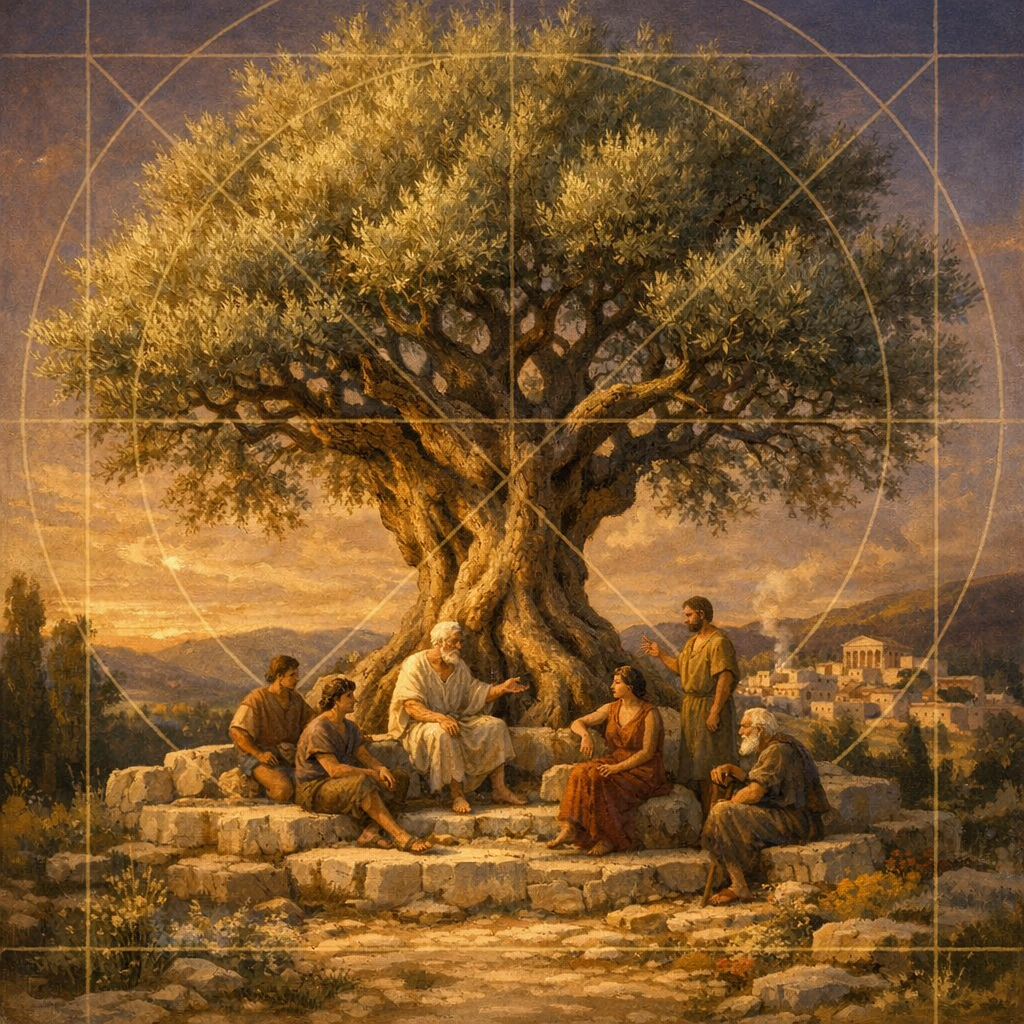
The wisdom-of-ancestors fallacy proceeds as follows: our ancestors established this institution; our ancestors were wise; therefore this institution is wise. Bentham dismantles the major premise first. The ancestors in question were typically operating under conditions of ignorance, superstition, and limited information far inferior to those available to later generations. To treat their arrangements as presumptively superior to any proposed reform is to assume that knowledge ceased to accumulate at the founding moment.
Antiquity as a Shield for Privilege
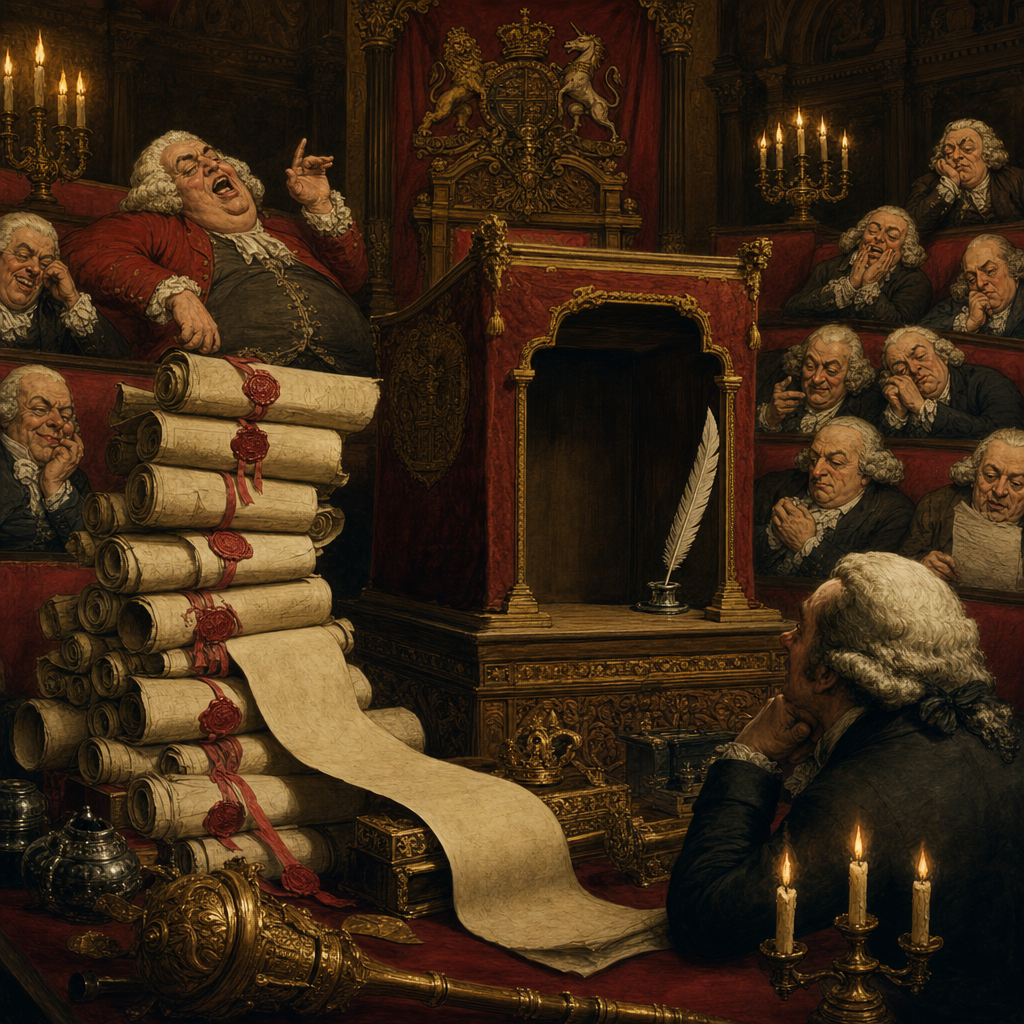
The practical function of the fallacy is transparent: it is invoked most reliably by those who benefit from existing arrangements and would lose by reform. When the argument from ancestral wisdom is used selectively — invoked against changes that would reduce privilege, ignored when privilege itself was installed at some historical moment — its ideological character is exposed. Bentham argues that every institution must justify itself by its present effects on human happiness, not by its historical provenance.
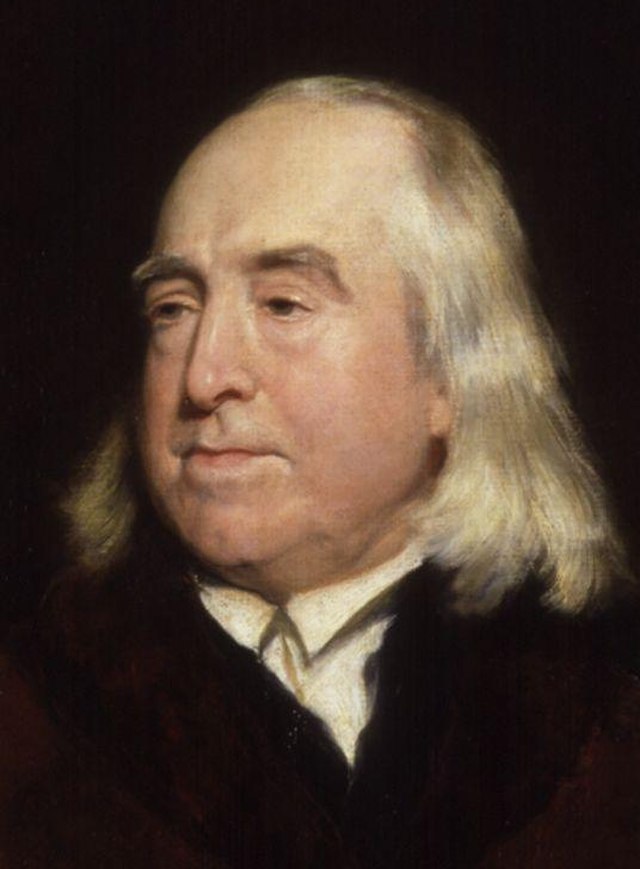
The Book of Fallacies was edited from Bentham's manuscripts by Peregrine Bingham and published in 1824. Bentham grouped political fallacies into four main classes: fallacies of authority, of danger, of delay, and of confusion.
Related Concepts