Directory › Thomas Hobbes
Thomas Hobbes
Natural Philosophy
1588–1679 · Early Modern
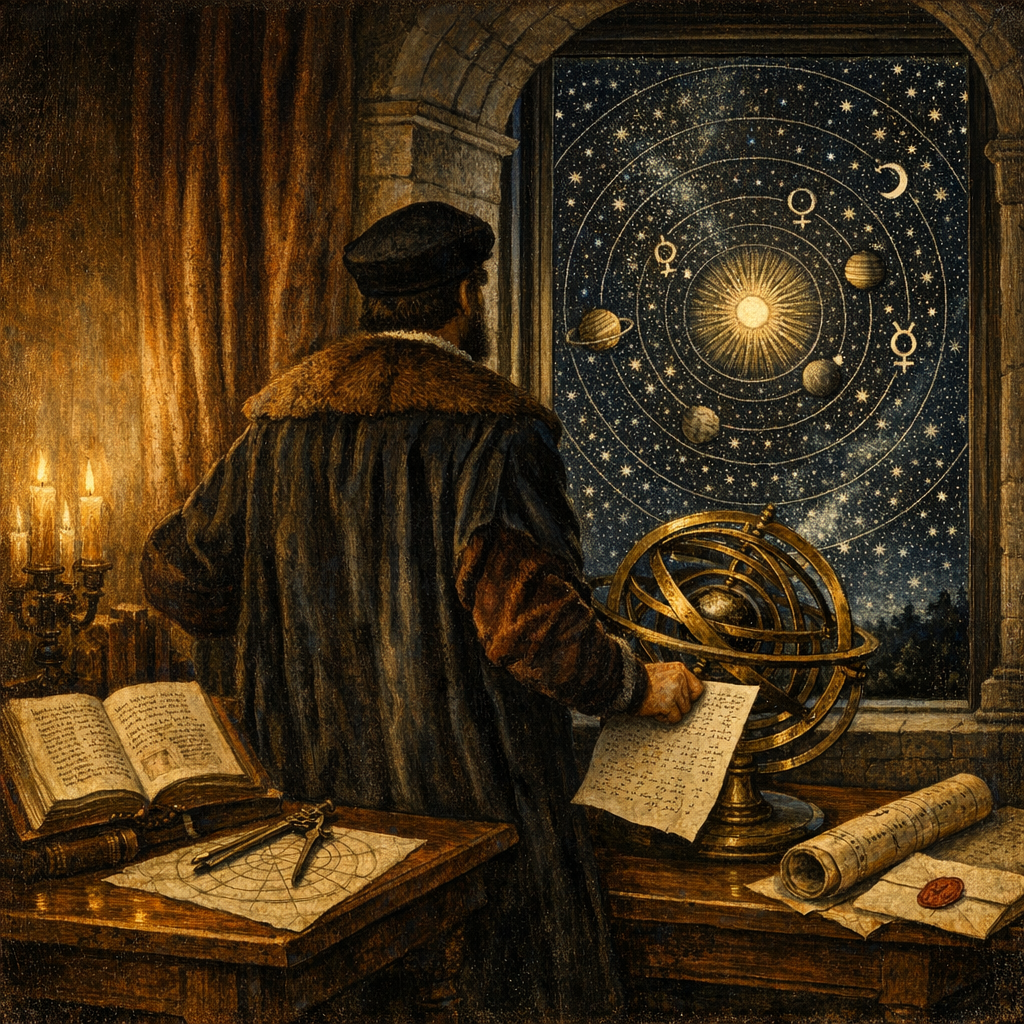
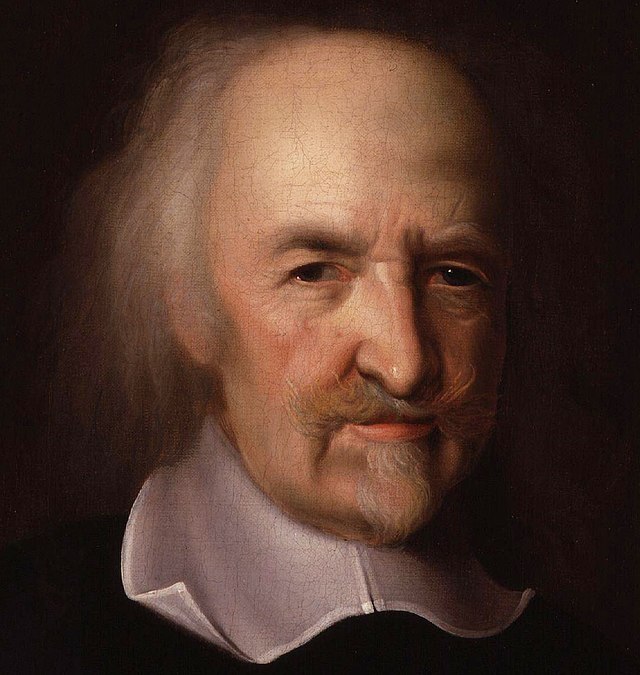
Thomas Hobbes was an English philosopher whose work remade the foundations of political thought. Born in Wiltshire in the year of the Spanish Armada, he lived through the English Civil War — an experience that shaped his conviction that the fundamental problem of politics is preventing the descent into violence. A close associate of Francis Bacon, Galileo, and Descartes, Hobbes was among the first to apply the methods of the new natural philosophy — mechanical, mathematical, rigorous — to the study of human nature and society.
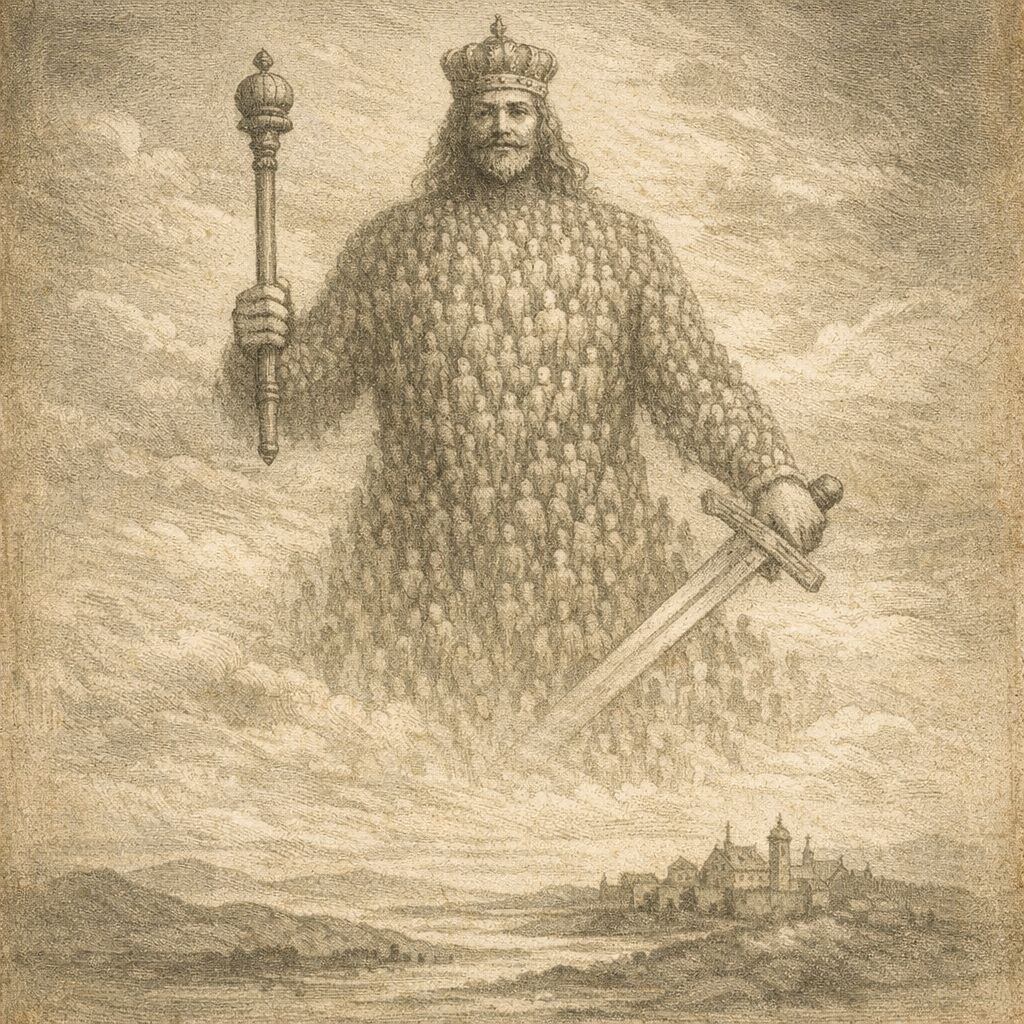
Leviathan, published in 1651, is his masterwork: a systematic account of human nature, sovereignty, and the state built on materialist foundations. Hobbes argued that without a sovereign power capable of enforcing peace, human life reverts to a war of all against all — solitary, poor, nasty, brutish, and short. His unsparing analysis of power, fear, and the social contract made him one of the most controversial and consequential figures in the history of political philosophy, anticipating debates that remain unresolved today.
The condition of man is a condition of war of every one against every one.
1
Books
20
Related
5
Concepts