The Art of Mystification
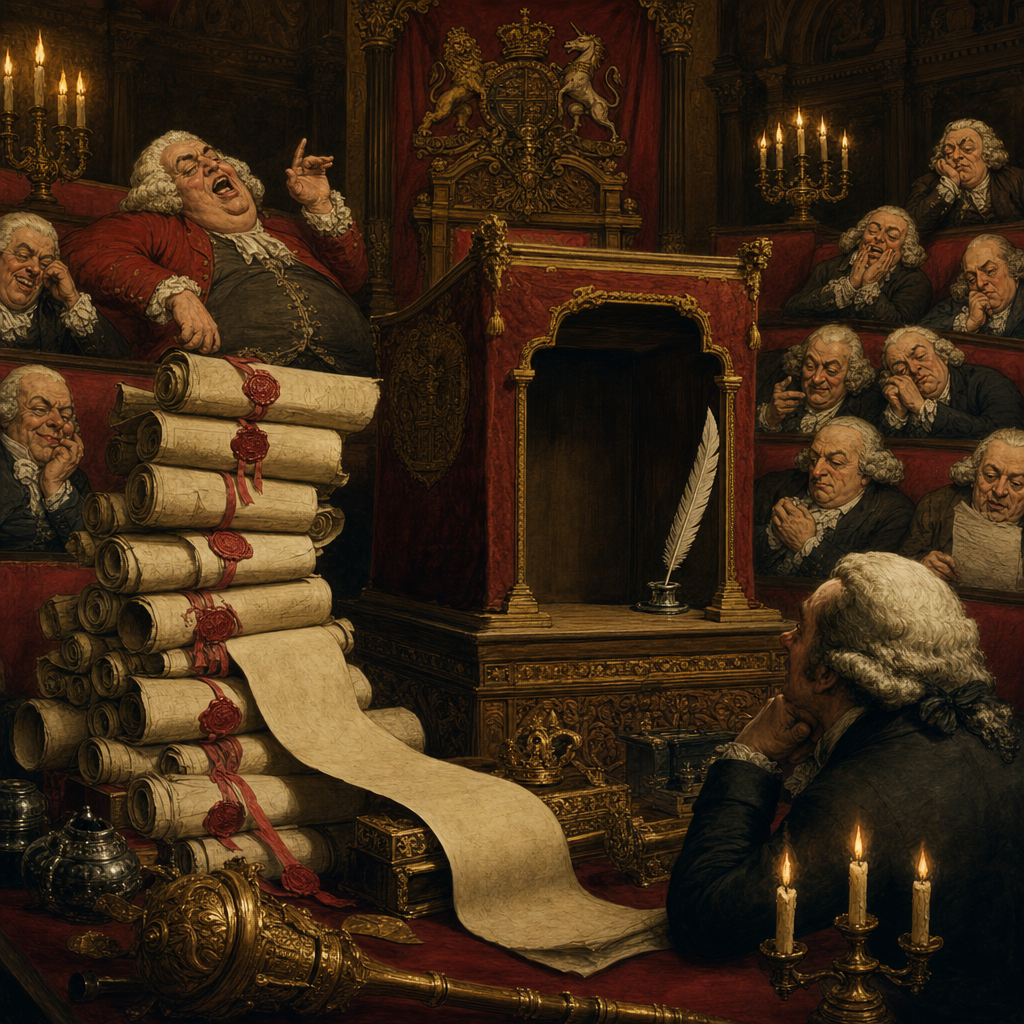
Bentham identifies the use of elevated, vague, or technical language as itself a political tactic. When a proposed reform is met with talk of constitutional dangers, delicate balances, and the unintended consequences of well-intentioned meddling, the object is not illumination but paralysis. By making the question seem more complex than it is, the opponent of reform buys time, tires the reformer, and makes inaction appear as prudence. Bentham insists that genuine complexity should be exposed by analysis, not hidden by rhetoric.
Reform in Principle, Never in Practice
A particularly effective defensive manoeuvre is to agree with the reformer in principle while finding endless practical objections to any particular measure. The current bill is badly drafted; this is not the right moment; more evidence is needed; a committee should report first. Bentham names this the "not now" fallacy and observes that it has blocked more improvement than outright opposition: it gives the appearance of reasonableness while achieving the same practical result as denial.
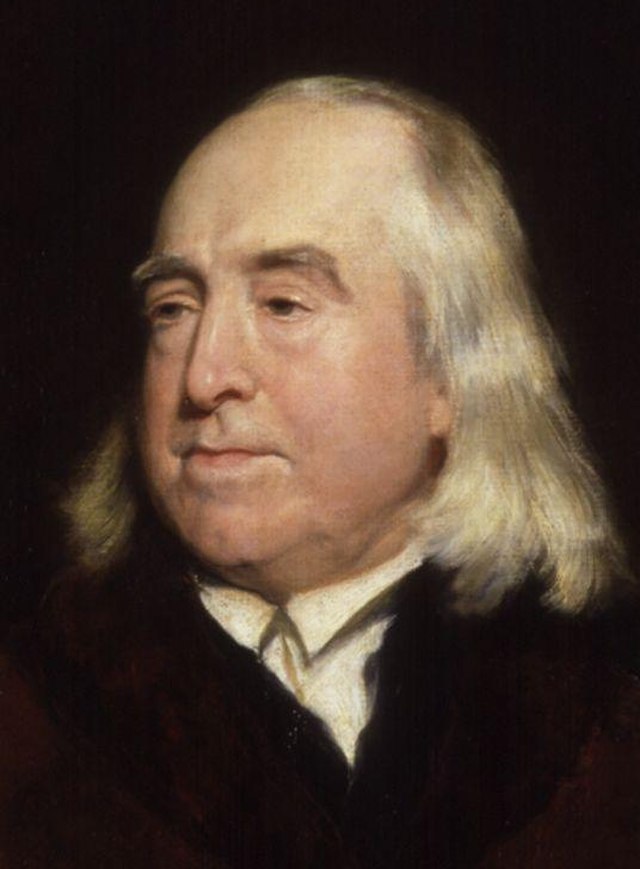
Bentham completed the main body of the Fallacies in 1809 but continued revising until his death in 1832; the full critical edition appears in volume 9 of the Bowring collected works.
Related Concepts