The Abolition of Greatness
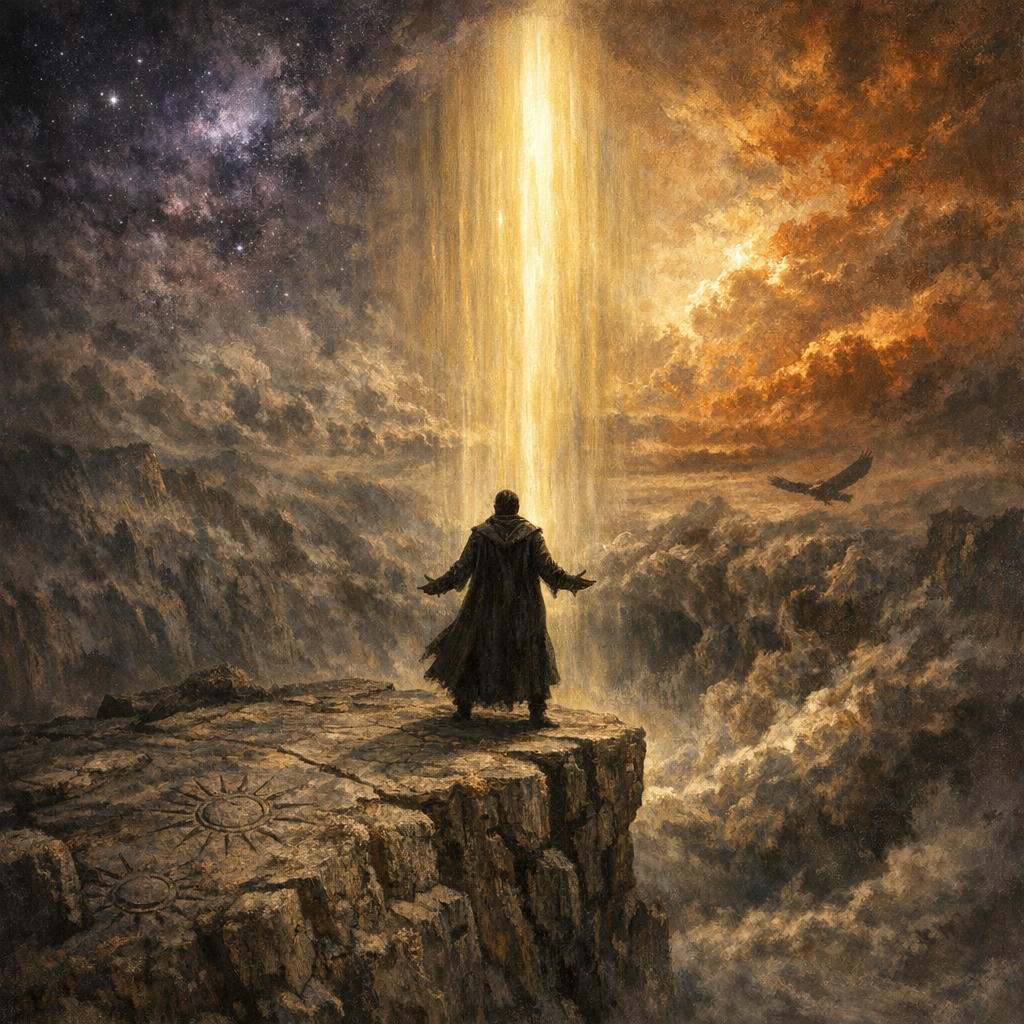
Zarathustra announces the last man as the alternative to the Superman, and the audience applauds. The last man wants security above all: warmth, equality, a little poison for pleasant dreams. He no longer looks upward; he has no star, no chaos, no longing. He has discovered happiness.
The earth hath then become small, and on it there hoppeth the last man who maketh everything small. His species is ineradicable like that of the ground-flea; the last man liveth longest.
The Herd and Its Contentment
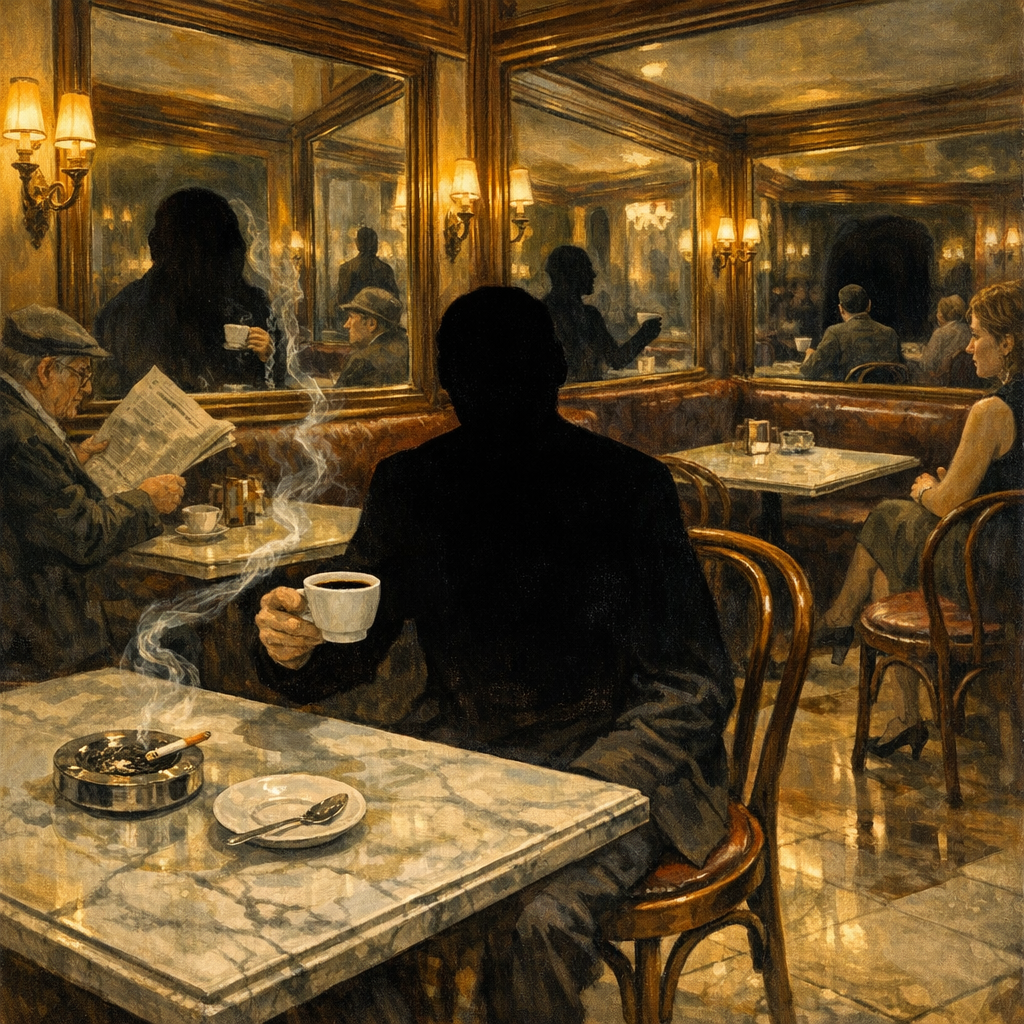
What makes the last man so devastating as a figure is that he is not miserable. He is content. He has solved the problem of existence by shrinking the scale of existence to something manageable. No shepherd and one herd; everyone wants the same, everyone is equal. He who has other sentiments goes voluntarily into the madhouse.
Why Nietzsche Fears Him
Nietzsche's concern is not political but philosophical: if humanity converges on the type of the last man, the conditions for greatness disappear. The Superman is possible only in a world where there is still chaos, still aspiration, still the willingness to suffer for the sake of creation. A world of last men has no soil for anything higher.
I tell you: one must still have chaos in one, to give birth to a dancing star. I tell you: ye have still chaos in you.
The last man makes his appearance at the end of Zarathustra's Prologue, when his speech about the Superman falls flat and the crowd demands the last man instead. The contrast between the two figures structures the entire work.
Related Concepts