What Zarathustra Discovers
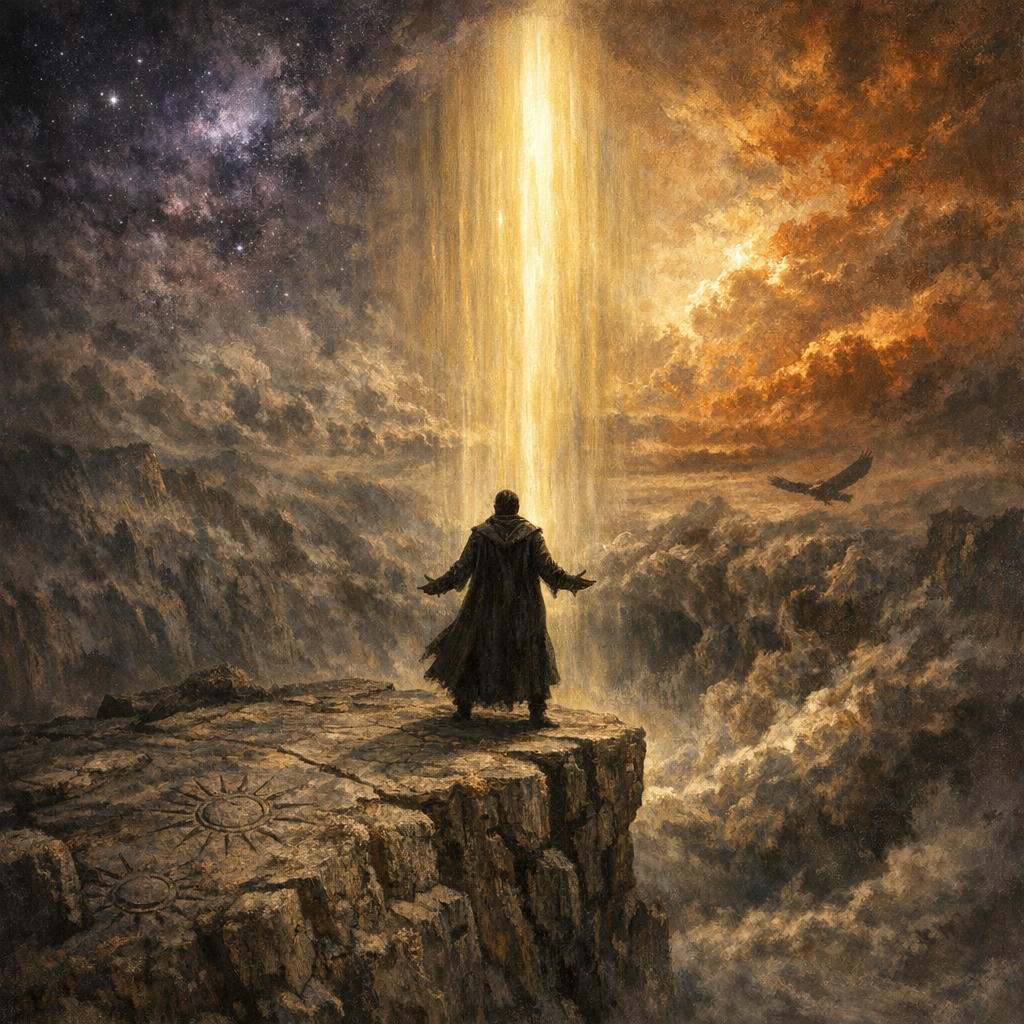
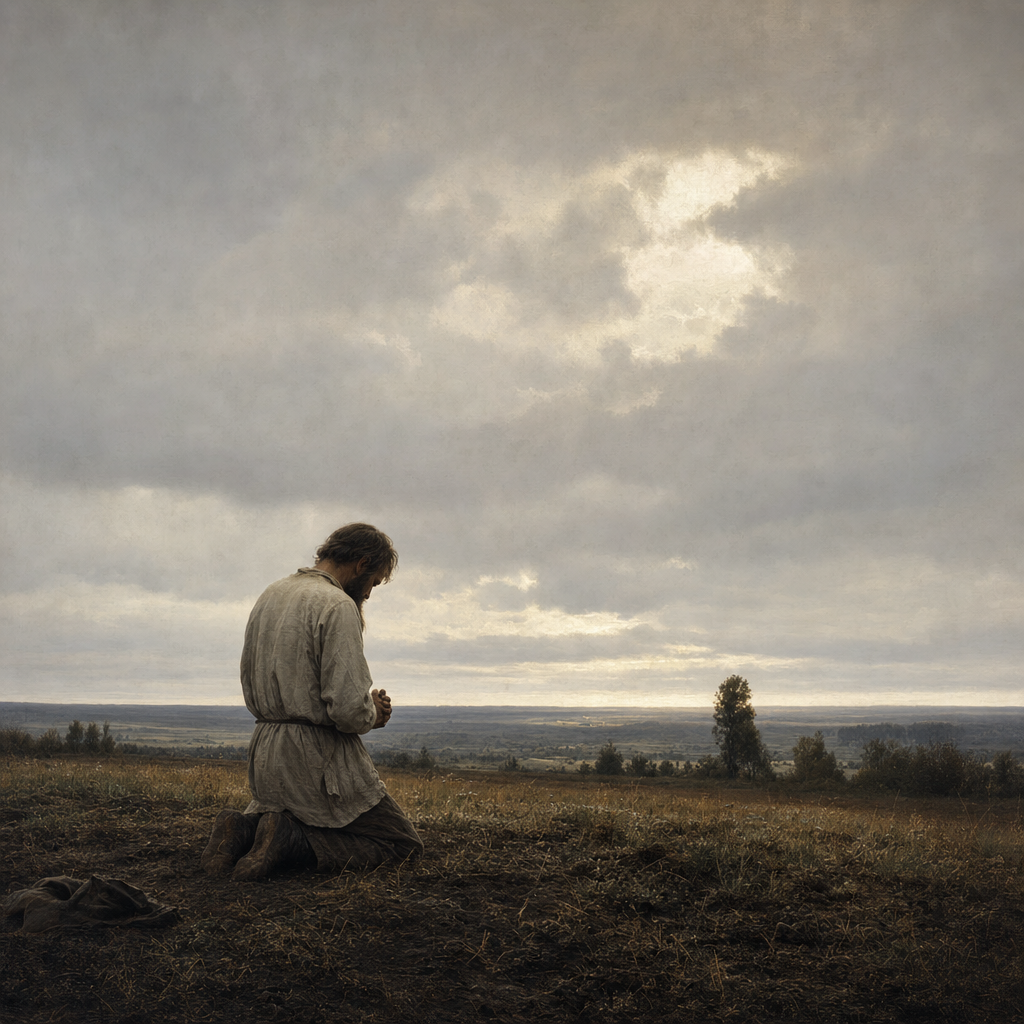
On his descent from the mountain, Zarathustra encounters a wandering saint who still prays to God and loves him. Zarathustra does not argue with him; he simply marvels. The saint does not yet know what has happened. The death of God is not a philosophical argument but a cultural diagnosis: the shared framework of Christian meaning no longer holds in the modern world.
Could it be possible! This old saint in the forest hath not yet heard of it, that GOD IS DEAD!
The Problem of Nihilism
The death of God does not mean liberation. Without a shared source of meaning and value, humanity faces nihilism: the collapse of all the values that had been grounded in the divine. This is Nietzsche's deepest concern throughout Zarathustra. The death of God is the crisis; the Superman and the Will to Power are the attempted responses.
The Creation of New Values
Zarathustra's task is to announce this event and to point toward what must follow. The death of God opens a terrifying freedom: if there is no divine order, humanity must create its own values from the ground up. This creation is not arbitrary; it demands the full force of the creative individual, the one who can bear the weight of existence without the old supports.
Nietzsche first deployed the phrase in The Gay Science (1882), where the madman runs through the marketplace crying that God is dead. In Zarathustra, the same idea is announced more quietly, as something Zarathustra takes for granted that his contemporaries have not yet grasped.
Related Concepts