The Paper-Knife
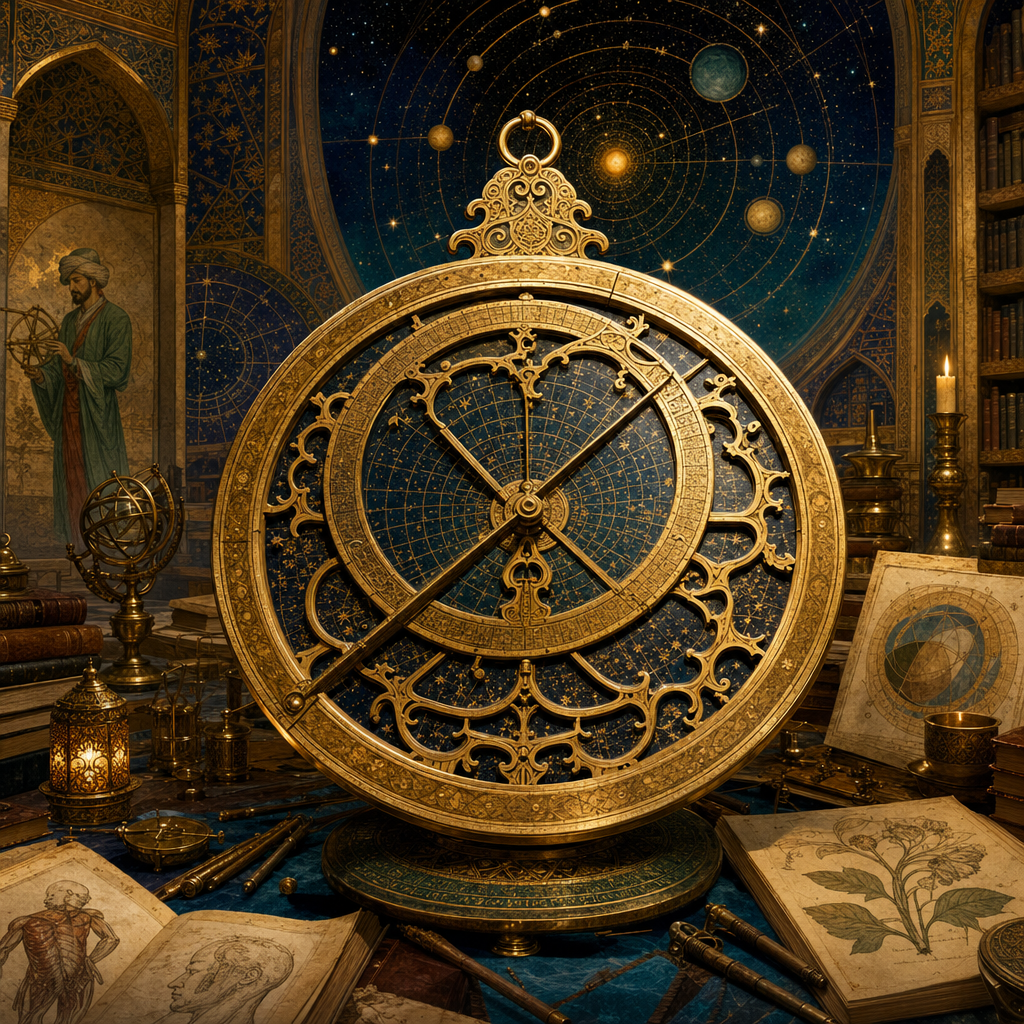
A paper-knife is designed before it is manufactured. Its essence — its purpose, its nature — exists in the mind of the craftsman before the object does. Traditional philosophy treated humans the same way, with God as the craftsman who designed human nature before creating human beings.
Man is nothing else but what he makes of himself.
Condemned to be Free
Without God, there is no pre-given human essence. We exist first — thrown into the world without instruction or nature — and then we create ourselves through our choices. This is the source both of existentialism's freedom and its anxiety. There is no excuse, no nature to blame, no role that determines you. You are your choices.
Sartre's ethics follows from this: since we create ourselves, we are fully responsible for what we are. This responsibility cannot be transferred to God, to society, to childhood, to race, or to any other supposed determining factor.
Sartre softened this radical individualism in his later work Critique of Dialectical Reason, incorporating a Marxist analysis of how social and material conditions constrain freedom. The earlier Sartre of Being and Nothingness is the more radical figure.
Related Concepts