The Camel
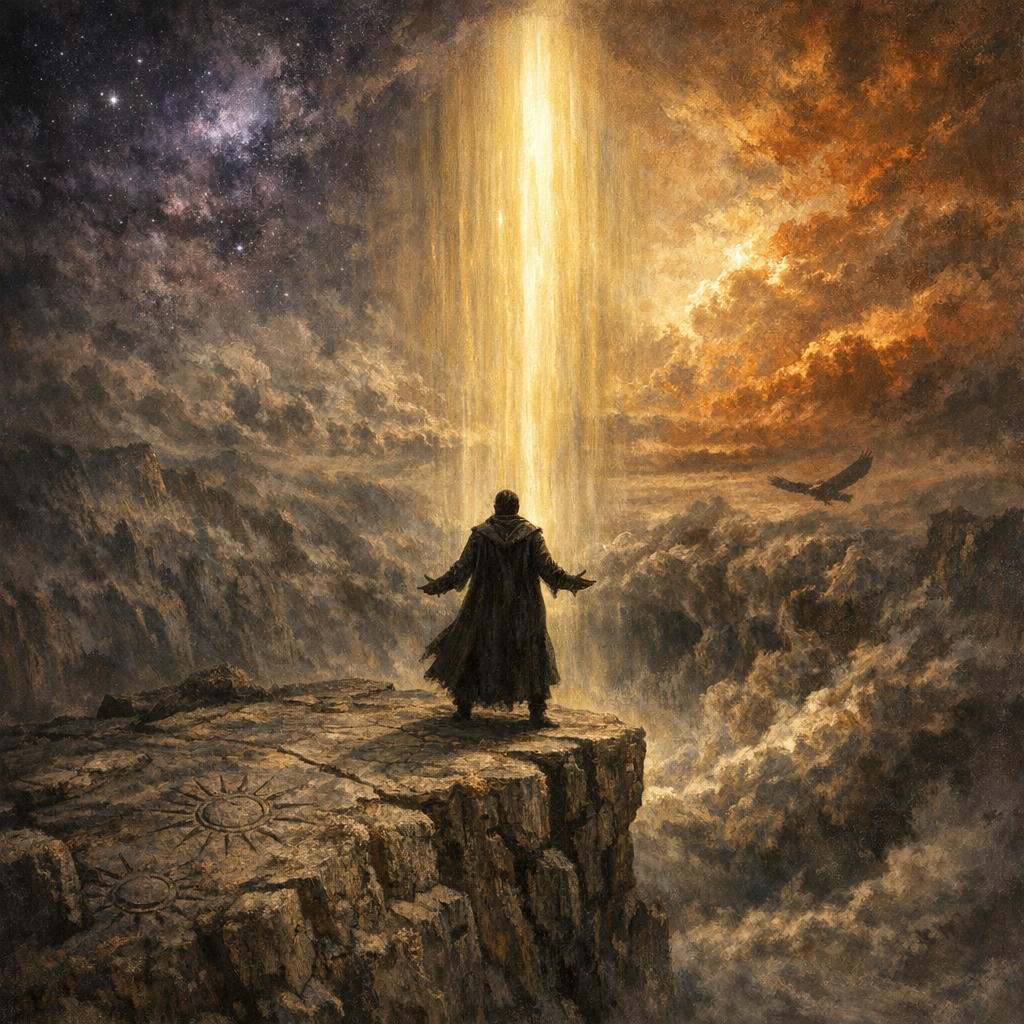
The first stage is the camel, the spirit of reverence and endurance. The camel kneels to take on the heaviest loads: to humble itself, to suffer for truth, to live in the harshest desert. This stage represents the spirit that has mastered conventional morality and taken on all its demands, not from weakness but from a desire to test its own strength.
Three metamorphoses of the spirit do I designate to you: how the spirit becometh a camel, the camel a lion, and the lion at last a child.
The Lion
In the loneliest wilderness, the camel transforms into the lion. The lion cannot create new values, but it can do what the camel cannot: say no. It confronts the great dragon of "Thou shalt," the golden scales of all existing values, and roars back "I will." This destruction is necessary before creation is possible.
The Child
The third stage is the child, and it is the highest: not a return to innocence but the creation of a new beginning. The child plays; it forgets; it wills its own will; it says a sacred yes to life. The wheel rolls out of itself. This is the spirit that can create new values from strength, not from resentment or reaction, but from a primary affirmation of existence.
This discourse is placed first among all of Zarathustra's teachings, suggesting that Nietzsche understood the three metamorphoses as the necessary groundwork for everything that follows.
Related Concepts