The Soul as Immaterial Substance
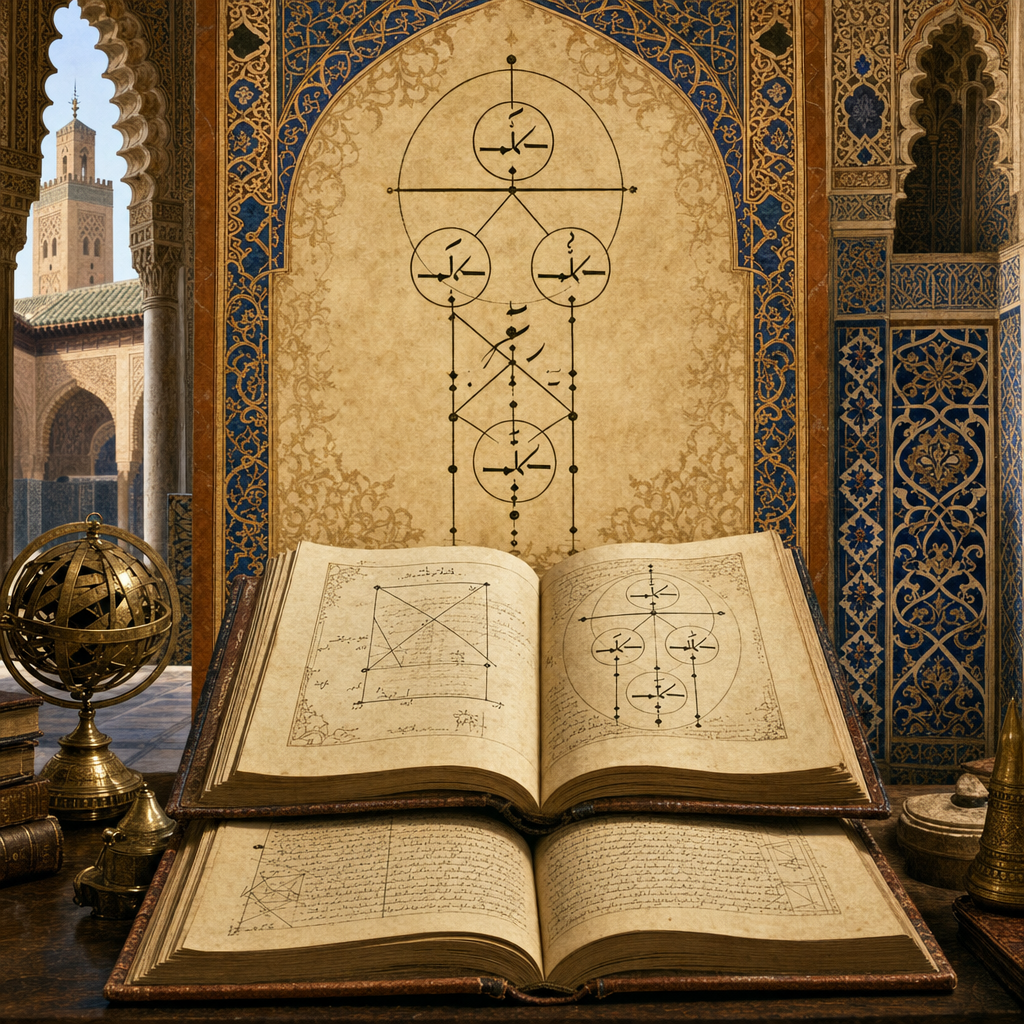
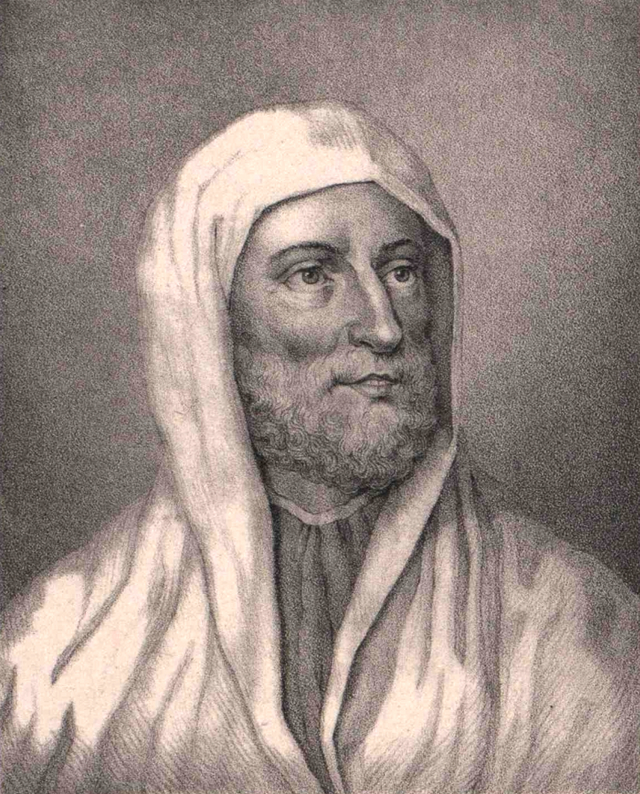
Avicenna's argument for the soul's substantiality begins with the Flying Man: since we are immediately aware of ourselves as thinking beings even in the complete absence of any bodily awareness, the thinking self cannot be constituted by or identified with the body. The soul is an immaterial substance — not a property or disposition of the body but a genuinely distinct entity that uses the body as an instrument. It is individuated at birth by its relationship to a particular body, but this relationship is not constitutive of its being; it is a contingent association that can in principle be separated.
The Body as Instrument
The soul needs the body during the period of its earthly existence: the body provides the perceptual data that the soul processes, the emotional drives that motivate action, and the conditions under which the material intellect is prepared for conjunction with the Active Intellect. But this need is the need of an instrument for its use, not the need of a form for its matter. A craftsman needs tools; remove the tools and the craftsman still exists. Similarly, the soul uses the body's faculties during embodied life but is not identical with any of them and continues to exist when those faculties are dissolved at death.
Individual Immortality
Avicenna's account of immortality is individual, not collective. Each soul is individuated by its relationship to a particular body at birth, and this individuation persists even after the body's dissolution: the soul retains the particular character it has developed through its embodied existence. This was philosophically important because it provided a basis for Islamic (and Jewish and Christian) belief in individual personal immortality that was more philosophically sophisticated than any previous account. Averroes attacked this position: if the intellect is one and universal, individual intellectual souls cannot persist. The dispute between Avicenna and Averroes on the soul's immortality was the defining controversy of Islamic philosophy on this topic.
Avicenna's psychology is developed in the Book of Healing (Kitab al-Nafs), the Book of Directives and Remarks, and the Book of Knowledge. His account of the soul as self-subsisting immaterial substance, and the Flying Man argument that supports it, influenced the entire medieval tradition of philosophical psychology and was the position that Averroes principally opposed.
Related Concepts