Learn › Classical Liberalism

Learning path · 9 steps
The Classical Liberal Path
Classical liberalism holds that individual liberty — negative freedom from coercion — is the paramount political value, and that the legitimate functions of government are limited to protecting rights, enforcing contracts, and maintaining order. From Locke's natural rights to Mill's harm principle to Hayek's critique of central planning, it forms the philosophical backbone of modern liberal democratic theory.
0% complete
1

Concept · 4 minUp next
Fallacies of Confusion and Delay
Jeremy Bentham
2
Concept · 4 min
Federation of Free States
Immanuel Kant
3
Concept · 5 min
Natural Rights
Thomas Paine
4
Concept · 5 min
Freedom of Thought
Baruch Spinoza
5

Concept · 4 min
The Mechanistic Mind
Thomas Hobbes
6
Concept · 6 min
The Rational Woman
Mary Wollstonecraft
7
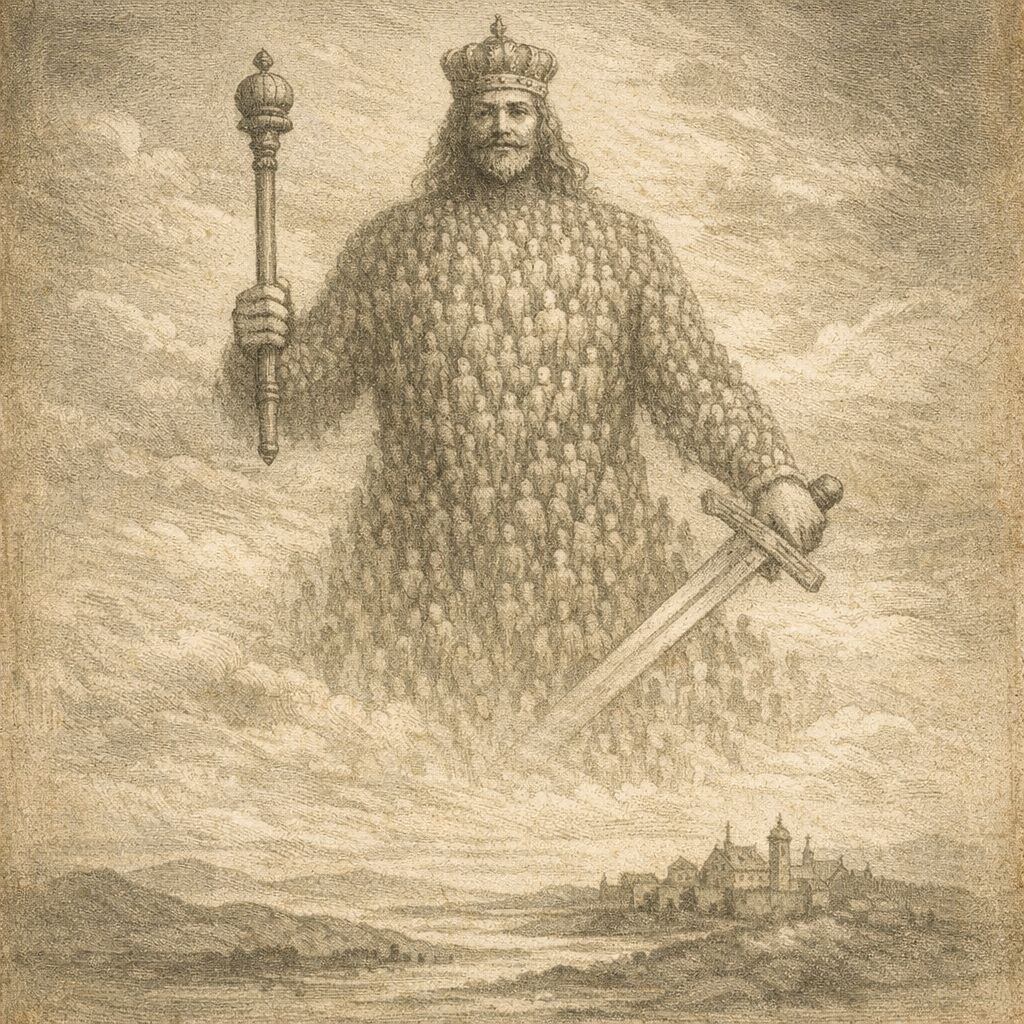
Full text · 4 chapters
Leviathan
Thomas Hobbes
8
Full text · 1 chapter
Discourse on Political Economy
Jean-Jacques Rousseau
9

Full text · 2 chapters
Discourse on the Origin of Inequality
Jean-Jacques Rousseau
Further reading
More from Classical Liberalism, beyond the core path.