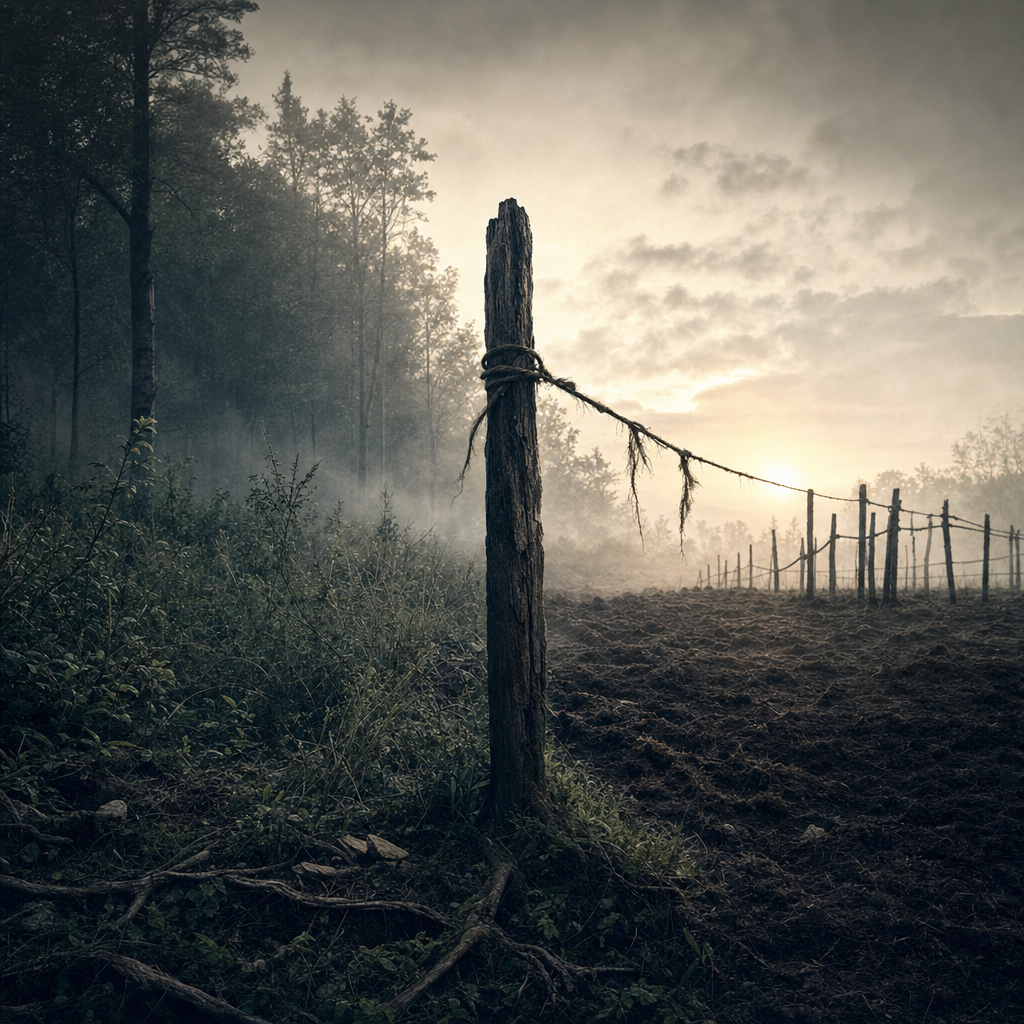
Rousseau's second Discourse, submitted to the Academy of Dijon in 1755, is one of the most influential works in the history of social philosophy. Distinguishing between natural inequality (physical differences) and moral inequality (property, privilege, and power), Rousseau traces how natural man — free, solitary, and self-sufficient — was gradually enslaved by the institutions of private property and civil society. The work opens with the declaration 'The first man who, having enclosed a piece of ground, bethought himself of saying This is mine, and found people simple enough to believe him, was the real founder of civil society.'
More by Jean-Jacques Rousseau
Discourse on the Arts and Sciences
Jean-Jacques Rousseau
1750
Free
Discourse on the Arts and Sciences
Jean-Jacques Rousseau
Discourse on Political Economy
Jean-Jacques Rousseau
1755
Free
Discourse on Political Economy
Jean-Jacques Rousseau