The Flattery That Enslaves
The dominant culture of Wollstonecraft's era treated femininity as a set of ornamental qualities — grace, delicacy, sentiment, susceptibility of heart — and praised women for possessing them. Wollstonecraft identifies this praise as a trap. By flattering women as creatures of feeling and charm, society denies them the educational formation that would make them capable of moral agency. A being praised for weakness cannot be expected to develop strength.
My own sex, I hope, will excuse me, if I treat them like rational creatures, instead of flattering their FASCINATING graces, and viewing them as if they were in a state of perpetual childhood, unable to stand alone.
Reason as the Ground of Rights
Wollstonecraft's argument is not primarily about opportunity or representation — it is about reason. Reason is, for her, the faculty that distinguishes human beings from brutes and makes moral life possible. When women are denied the education that cultivates reason, they are denied humanity itself in the philosophical sense. Their degradation is not a natural condition but a produced one — the result of institutions, customs, and a literature devoted to keeping them decorative and compliant.
This means the wrong done to women is also a wrong done to society. A mother who has not been educated as a rational creature cannot educate her children as rational creatures. A wife who has been taught to please rather than to think will seek pleasure rather than virtue. The irrationality cultivated in women spreads through the domestic sphere and into public life.
Strength of Mind and Body
Wollstonecraft's vision of the rational woman is not merely intellectual — it includes bodily strength, moral fortitude, and the ability to act independently in the world. She argues against the idealisation of female weakness as attractive, seeing in it a form of enforced helplessness. To wish women to acquire strength — of mind and of body — is to wish them genuine humanity rather than the counterfeit variety that passes for feminine virtue.
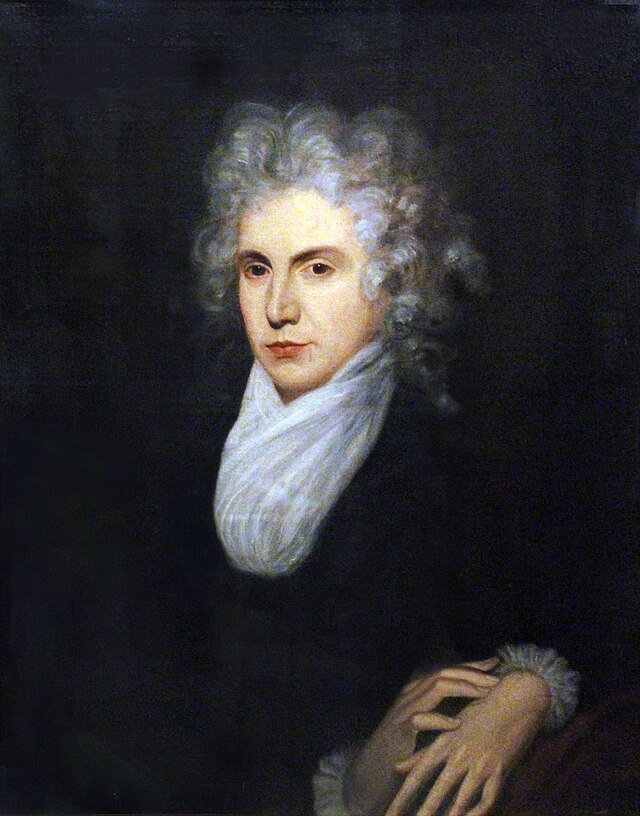
The argument appears most fully in the Introduction and Chapters I–II of A Vindication of the Rights of Woman (1792). Wollstonecraft's direct interlocutors include Rousseau, whose portrait of Sophie in Émile she dismantles in Chapter V.
Related Concepts