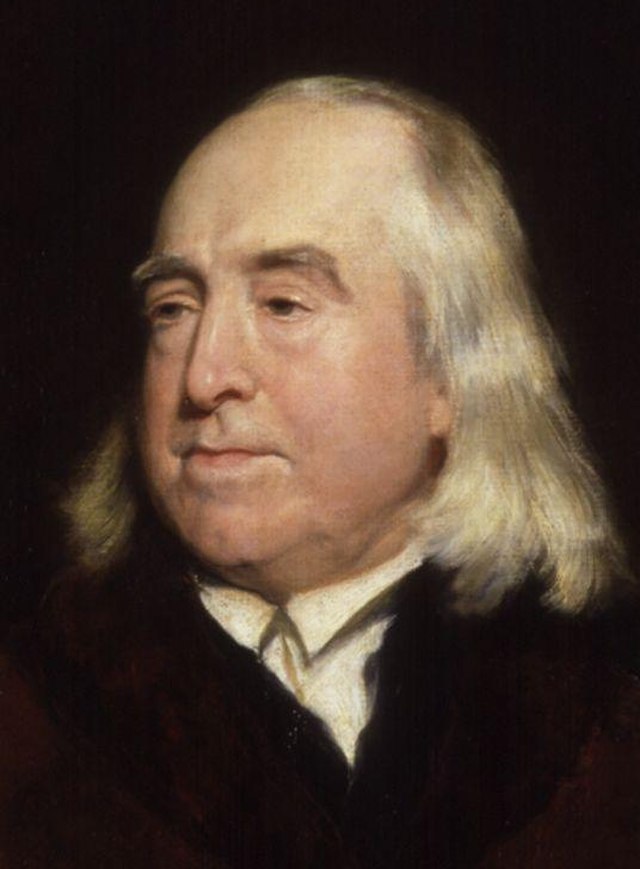
Against Interest-Rate Ceilings
Usury laws cap the interest rate at which money may legally be lent. Bentham argues that the effect is precisely the reverse of the intention: by preventing lenders from charging the rate the market would set, the law either drives lending underground (where borrowers pay more for the added risk) or cuts off the supply of credit to those who most need it. The borrower who cannot offer sufficient security or cannot attract capital at the legal rate is left without any lawful means of borrowing — worse off, not better.
The Projector and Innovation
Bentham devotes particular attention to the figure of the "projector" — the entrepreneur proposing a novel venture whose outcome is uncertain. Precisely because the venture is uncertain, a lender willing to fund it will demand a higher return to compensate for the additional risk. Usury laws, by capping that return, ensure that risky but potentially valuable innovations go unfunded. This is not a neutral or conservative outcome: it systematically privileges the established over the experimental and slows the accumulation of productive wealth.
The Defence of Usury (1787) was addressed to Adam Smith in a series of letters; Smith did not publicly reply, but later interlocutors noted that he had no satisfactory answer to Bentham's argument.
Related Concepts