Beyond Substance Metaphysics
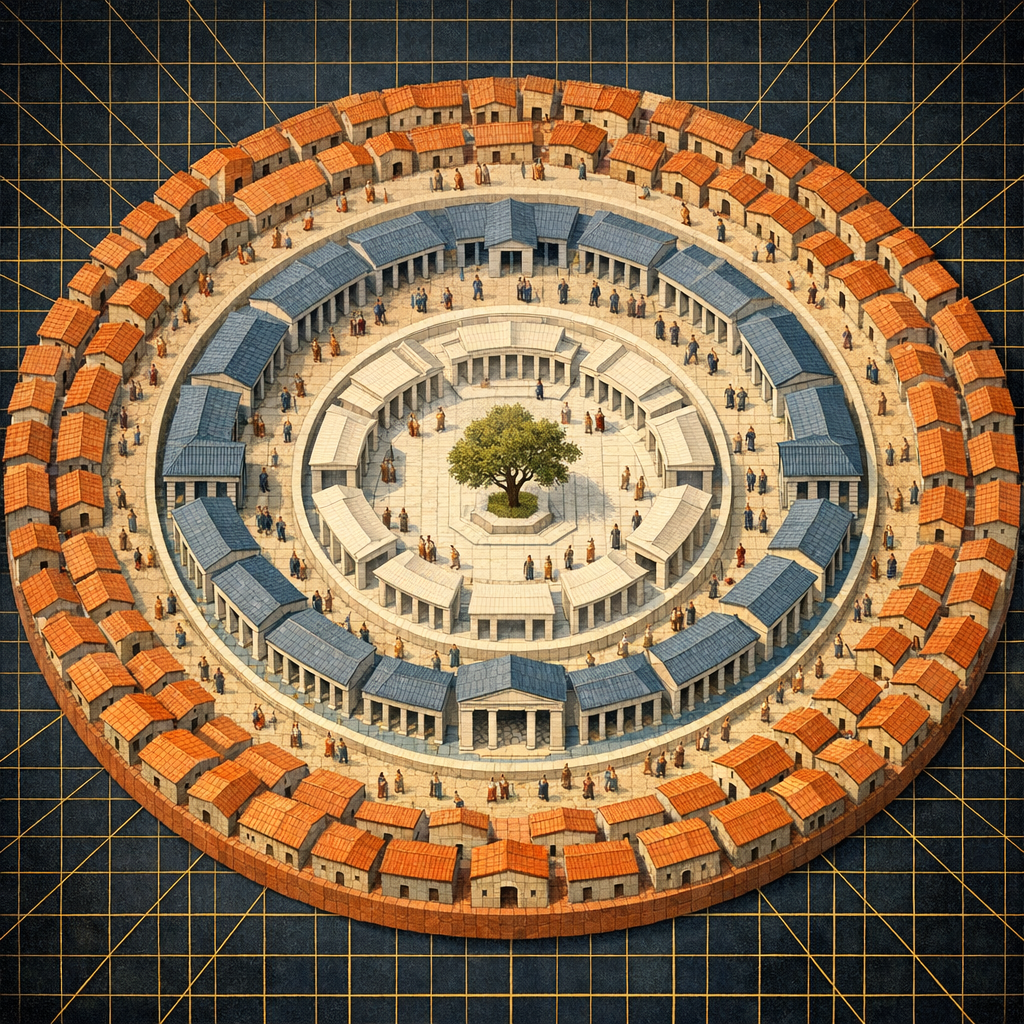
The Western philosophical tradition from Aristotle onward has largely understood the basic units of reality as substances — things that persist, bear properties, and underlie change. Whitehead finds this framework inadequate. A substance is defined by what it is; an actual occasion is defined by what it does — by the process of its own self-constitution. Reality is not a collection of things that happen to change but a succession of becomings, each of which is complete in itself before giving way to the next.
Prehension and Concrescence
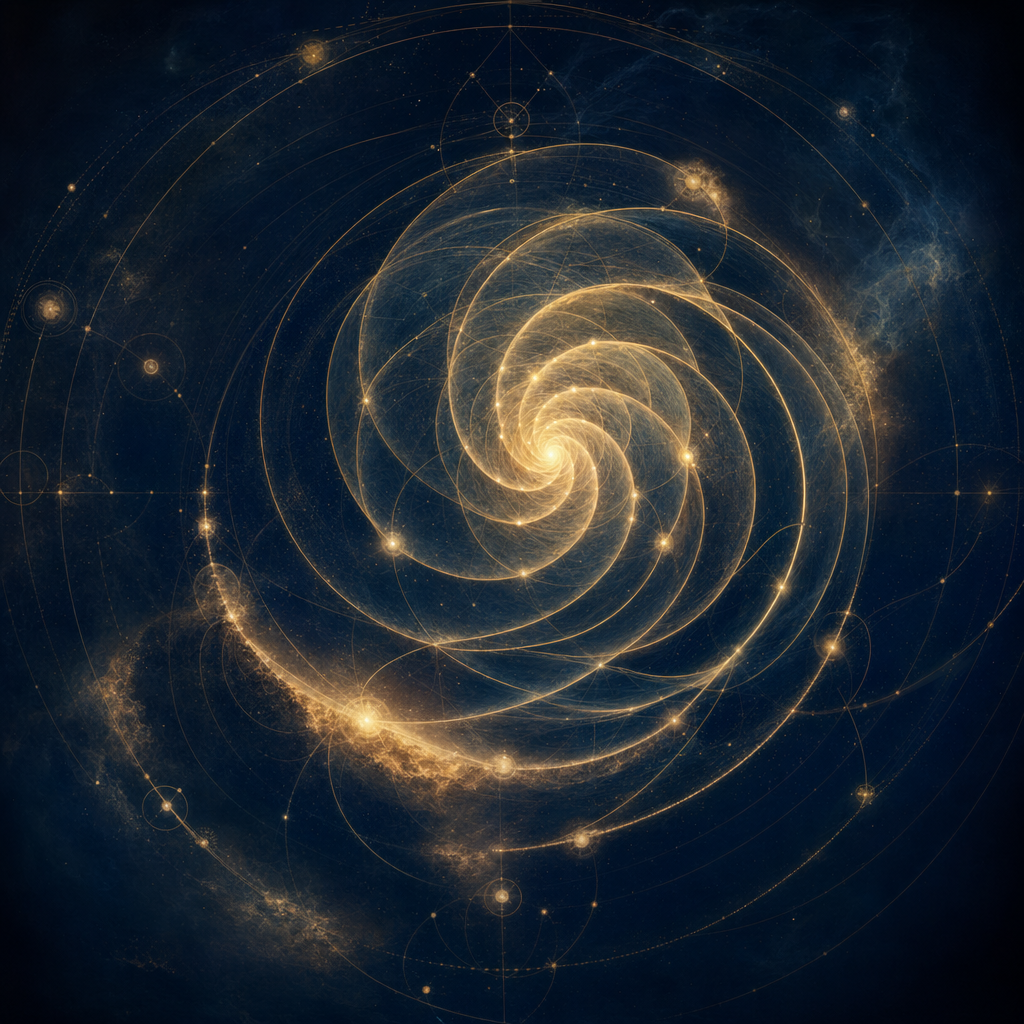
Each actual occasion comes into being through prehension — the active grasping or feeling of prior occasions. Every new event inherits the universe as it was and synthesises that inheritance with its own subjective aim toward some form of value. This process of synthesis — concrescence — is the life of the actual occasion. When concrescence is complete, the occasion achieves its "satisfaction": the final, fully determinate form it takes before perishing and being prehended by subsequent occasions.
Perishing as Passage
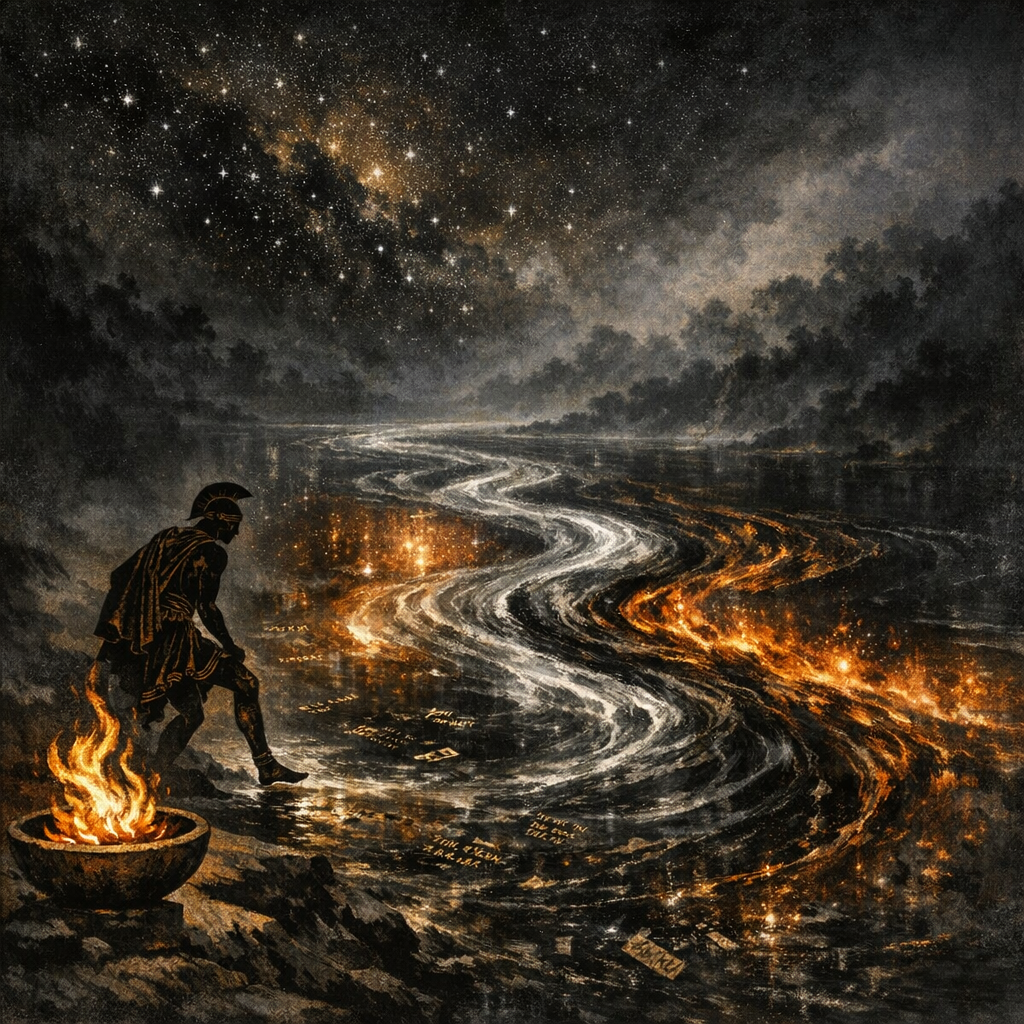
The most arresting feature of actual occasions is that they perish the moment they are complete. They do not endure as things but persist as data — as facts that subsequent occasions must take into account. This is what Whitehead means when he says that "the present moment is always becoming and can never simply be." Perishing is not destruction: the completed occasion enters "objective immortality," becoming a permanent part of the universe's past that shapes every future event forever.
The doctrine of actual occasions is developed throughout Process and Reality, particularly in Part II (Discussions of Fact and Theory) and Part III (The Theory of Prehensions). Whitehead's primary aim is to describe the becoming of each occasion from the inside — a project he calls the "philosophy of organism."
Related Concepts