Cantor's Hierarchy and the Absolute
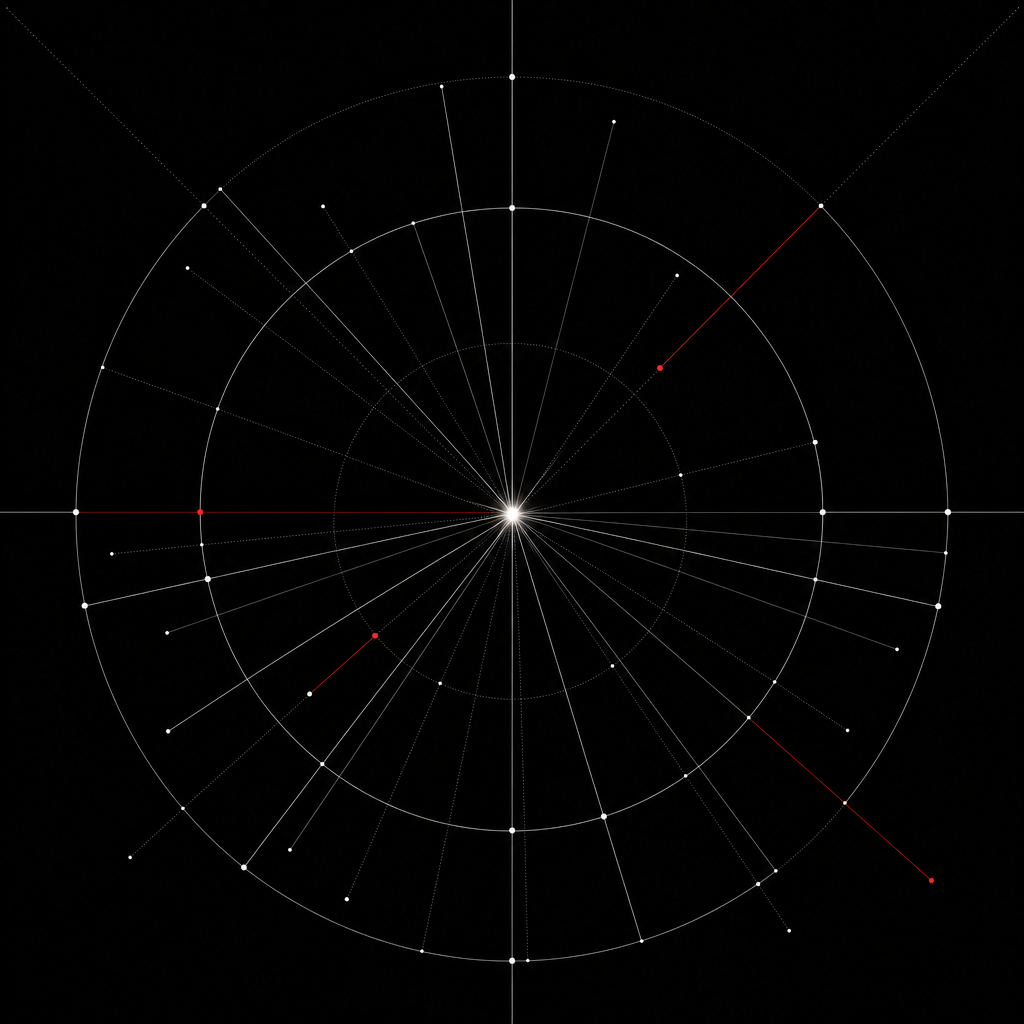
Georg Cantor's transfinite set theory revealed that there are not one but infinitely many infinite cardinals — aleph-null (ℵ₀, the infinity of the natural numbers), aleph-one (ℵ₁, the next larger infinity), and so on without end. No matter how large an infinite set you construct, there is always a strictly larger one: the power set of any infinite cardinal produces a yet-larger cardinal. This hierarchy has no top — it is itself absolute in the sense of being unlimited by any upper bound. Badiou identifies this absolute limit-without-limit as the philosophical concept of the Absolute that can replace the theological Absolute of classical metaphysics.
Finitude and the Three Figures
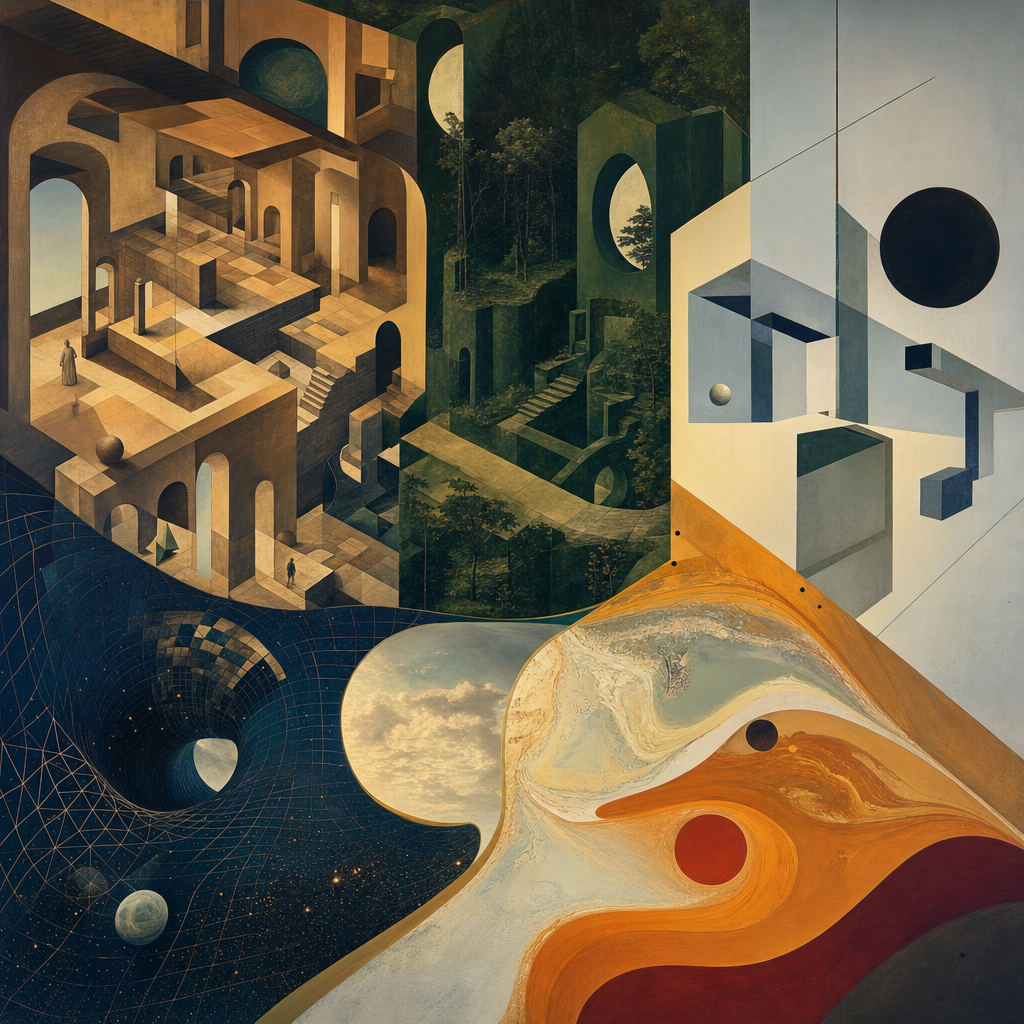
The Immanence of Truths organises its argument around three figures. The Finite represents the position of contemporary democratic materialism — the ideology that reduces everything to bodies and languages, to the management of limited resources and the negotiation of finite differences. The World represents the ontological domain of appearing developed in Logics of Worlds. The Absolute is the name for what exceeds all finitude and all world-relative appearing — what truths access when they produce genuinely infinite, universally valid results. The trajectory of the work is from the imprisonment of the finite, through the rich but world-relative structures of appearance, towards the absolute infinity that genuine truth procedures touch.
The Immanence of the Absolute
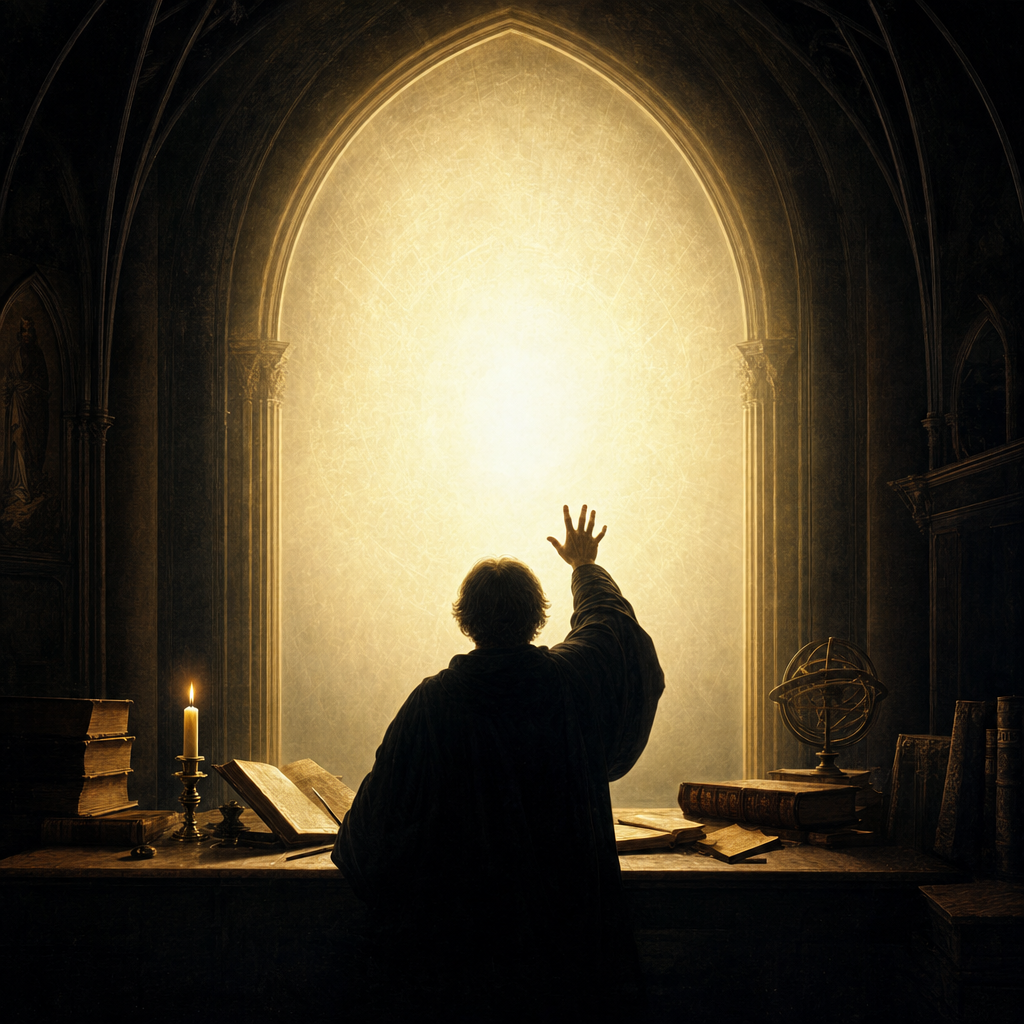
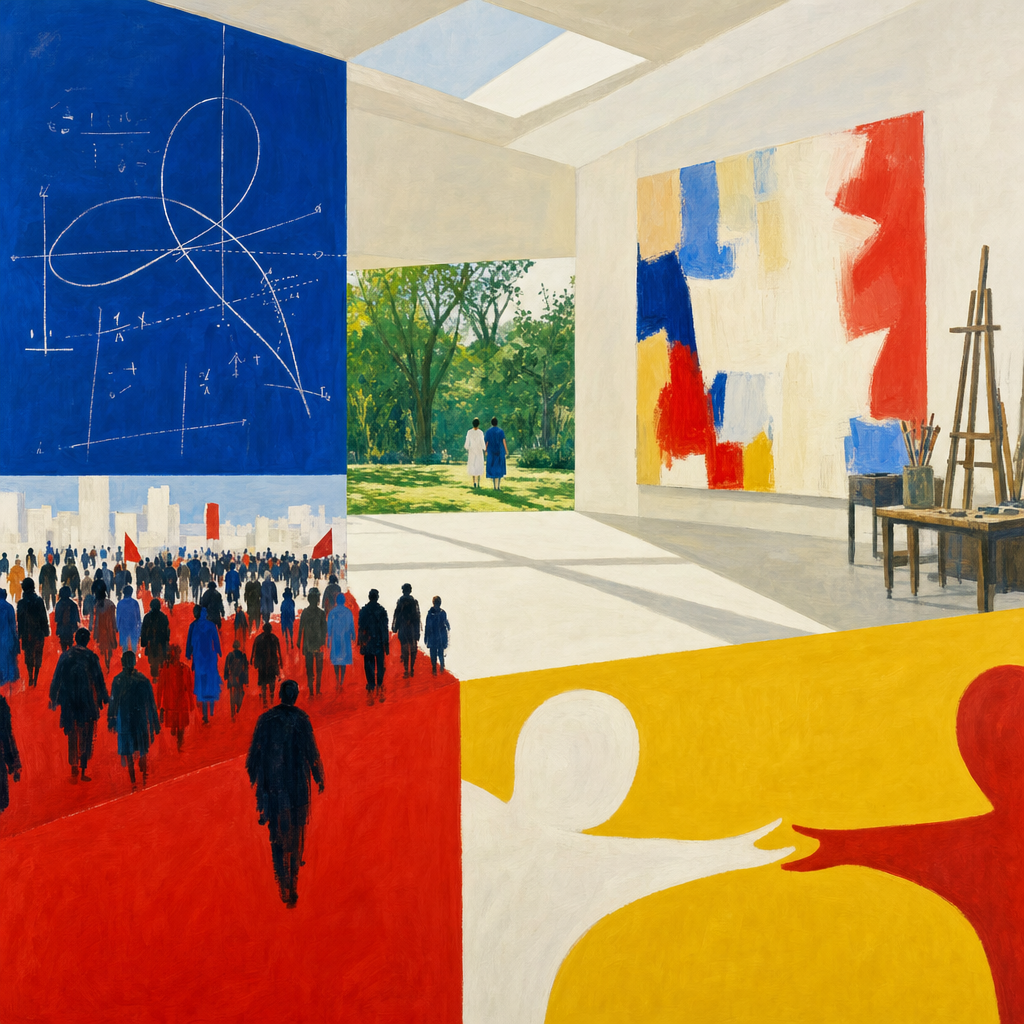
The decisive move of the book is the insistence that the absolute is not transcendent but immanent: it is not elsewhere or beyond, but present within the world as the infinity that every genuine truth procedure carries within itself. A mathematical proof, a revolutionary political event, a great artwork, the truth of a love — each of these, in its own domain, produces something that exceeds the finite and world-relative organisation of its situation. The infinite excess — the fact that a genuine truth cannot be contained within any finite catalogue of knowledge — is not a sign that truth points beyond the world, but a sign that the world itself is pervaded by an absolute infinity that no finite power can limit or domesticate.
L'Immanence des vérités (2018) is the culmination of a project announced in 1988. It contains Badiou's most sustained engagement with the history of philosophy — from Plato and Aristotle through Descartes and Spinoza to Hegel, Cantor, and Lacan — as a series of responses to the question of the absolute. The mathematical core draws on large cardinal axioms and the theory of constructible universes.
Related Concepts