Entering the World of Spirits
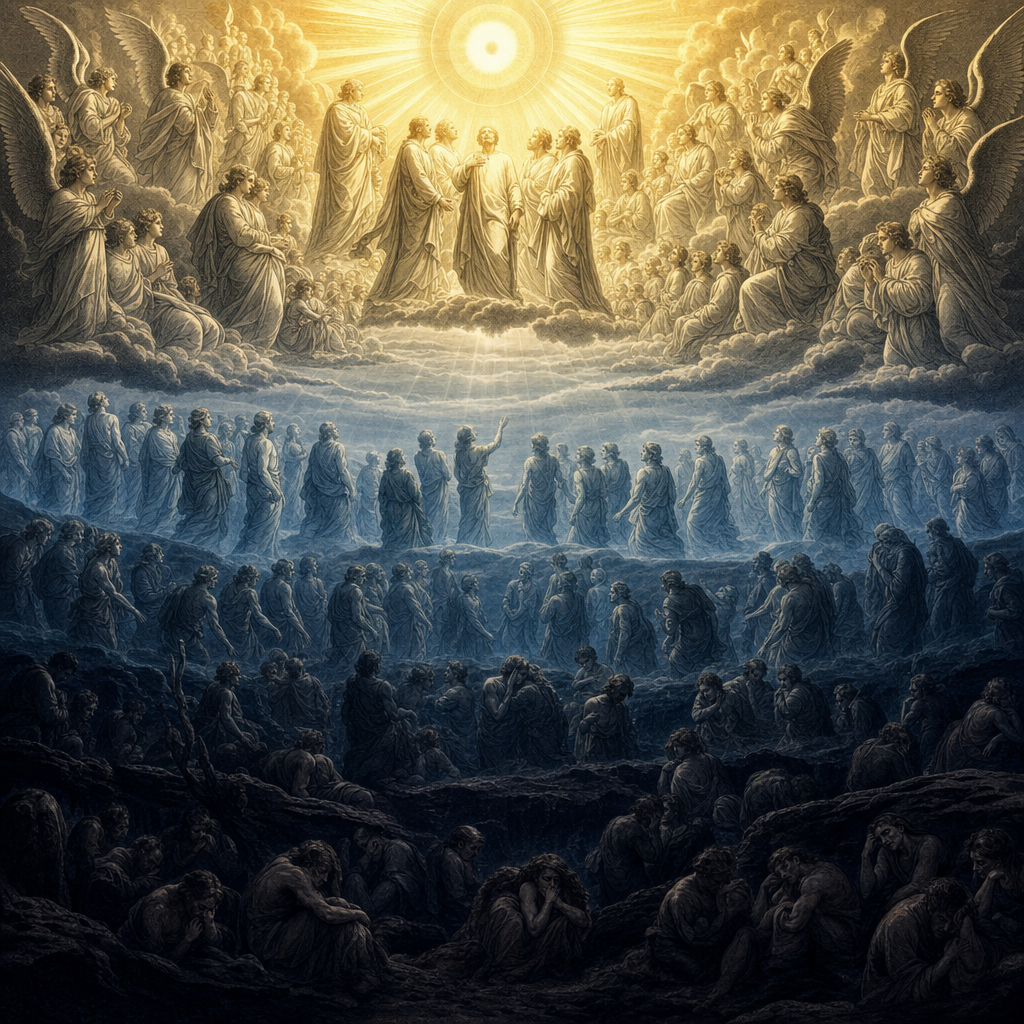
The world of spirits is not heaven, nor is it hell, but it is the intermediate place or state between the two; for it is the place that man first enters after death; and from which after a suitable time he is either raised up into heaven or cast down into hell in accord with his life in the world.
The First and Second States After Death
Swedenborg describes three states that follow death. In the first, the spirit is in a condition similar to earthly life — its outer habits and surface personality are still dominant. In the second state, the interior is opened: what was most deeply the spirit's own rises to the surface, and the exterior falls away. If the interior was good, this is a process of beatification; if it was evil, the process reveals what was concealed. The third state is final settlement — the spirit finds its community, its environment, its eternity.
When the spirit of man first enters the world of spirits, which takes place shortly after his resuscitation, as described above, his face and his tone of voice resemble those he had in the world, because he is then in the state of his exteriors, and his interiors are not as yet uncovered. This is man's first state after death. But subsequently his face is changed, and becomes entirely different, resembling his ruling affection or ruling love, in conformity with which the interiors of his mind had been while he was in the world and his spirit while it was in the body.
Self-Selection into Eternity
The World of Spirits is therefore a place of encounter, examination, and discovery. Swedenborg reports meeting people there who still believed themselves to be alive, who were surprised to find that they were dead, who continued their earthly conversations and habits until the second state began. The continuity of personal identity across death is complete — nothing of memory, personality, or characteristic interest is lost, though everything becomes more transparent and inward. The final movement into heaven or hell is entirely self-determining. Spirits are not judged by external verdict and sentenced; they simply find that the community of heaven is unbearable to them if their love is evil, or that the community of hell is unbearable if their love is good. Each gravitates to where its dominant love feels most at home. This makes Swedenborg's eschatology one of the most radical expressions of the idea that character is destiny — that what we become in life is what we are, in eternity, forever.
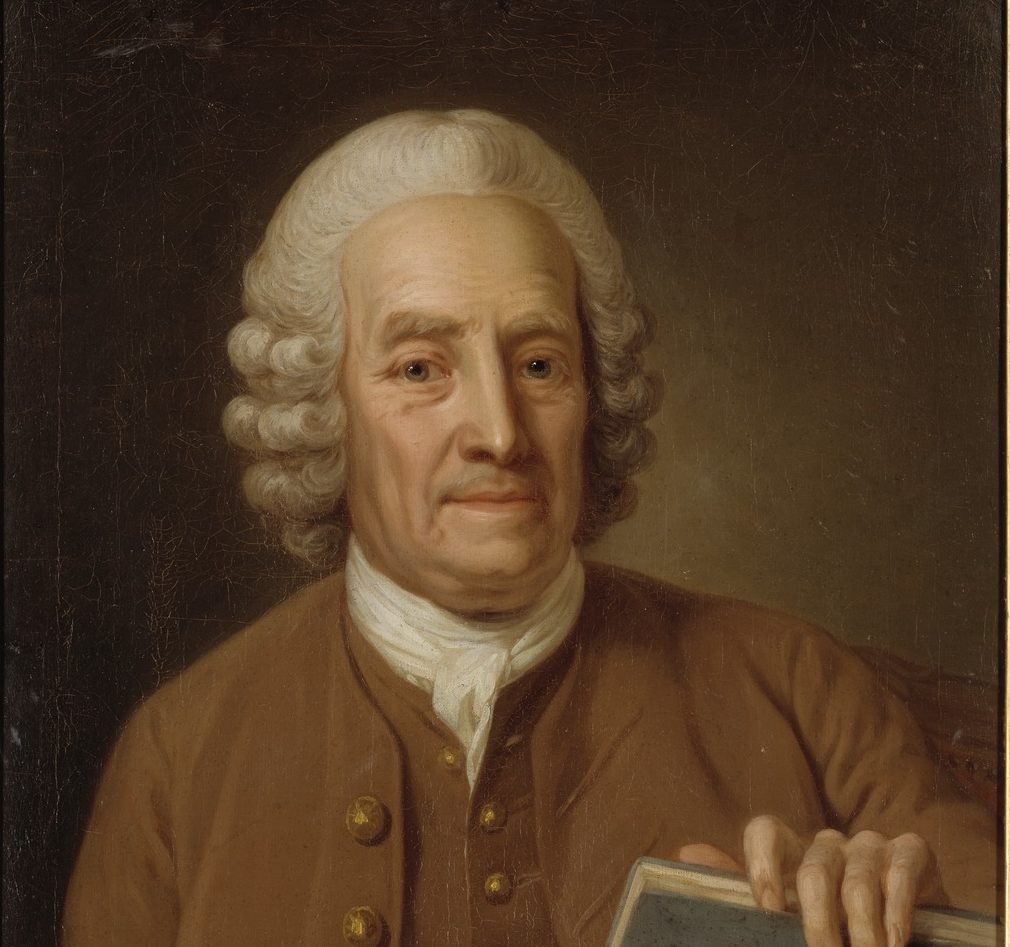
The intermediate state and its three phases are described at length in Heaven and Hell in the section on "The Three States of Man After Death." Swedenborg claims personal experience of the World of Spirits over many years of visionary experience beginning in 1745.
Related Concepts