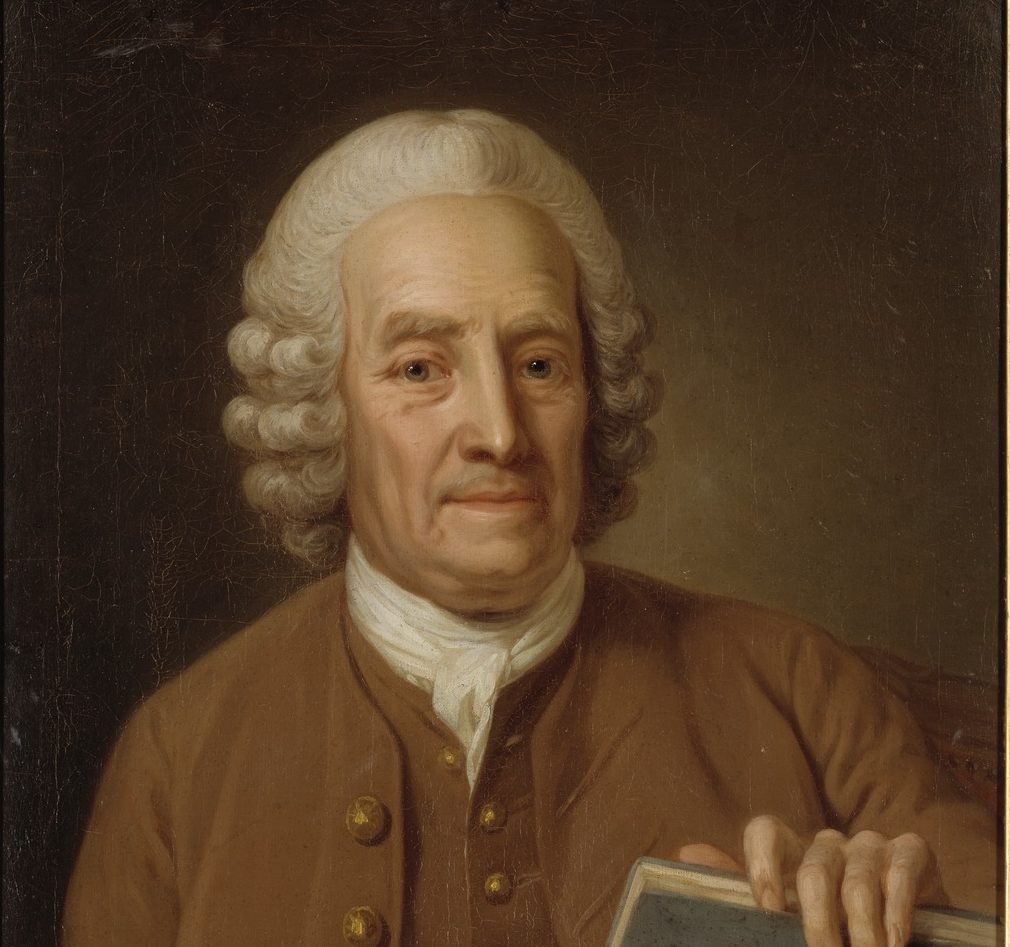
Three Discrete Degrees
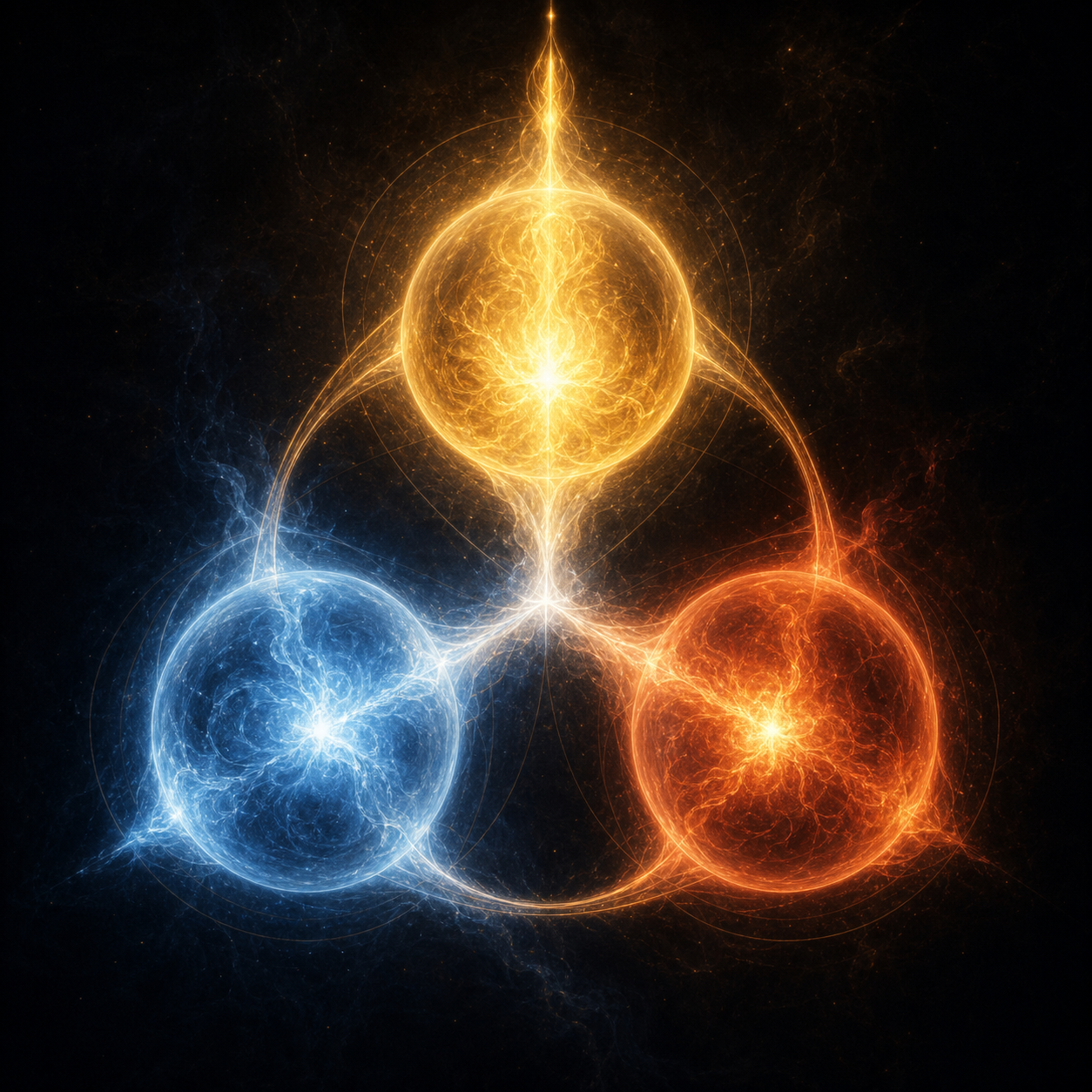
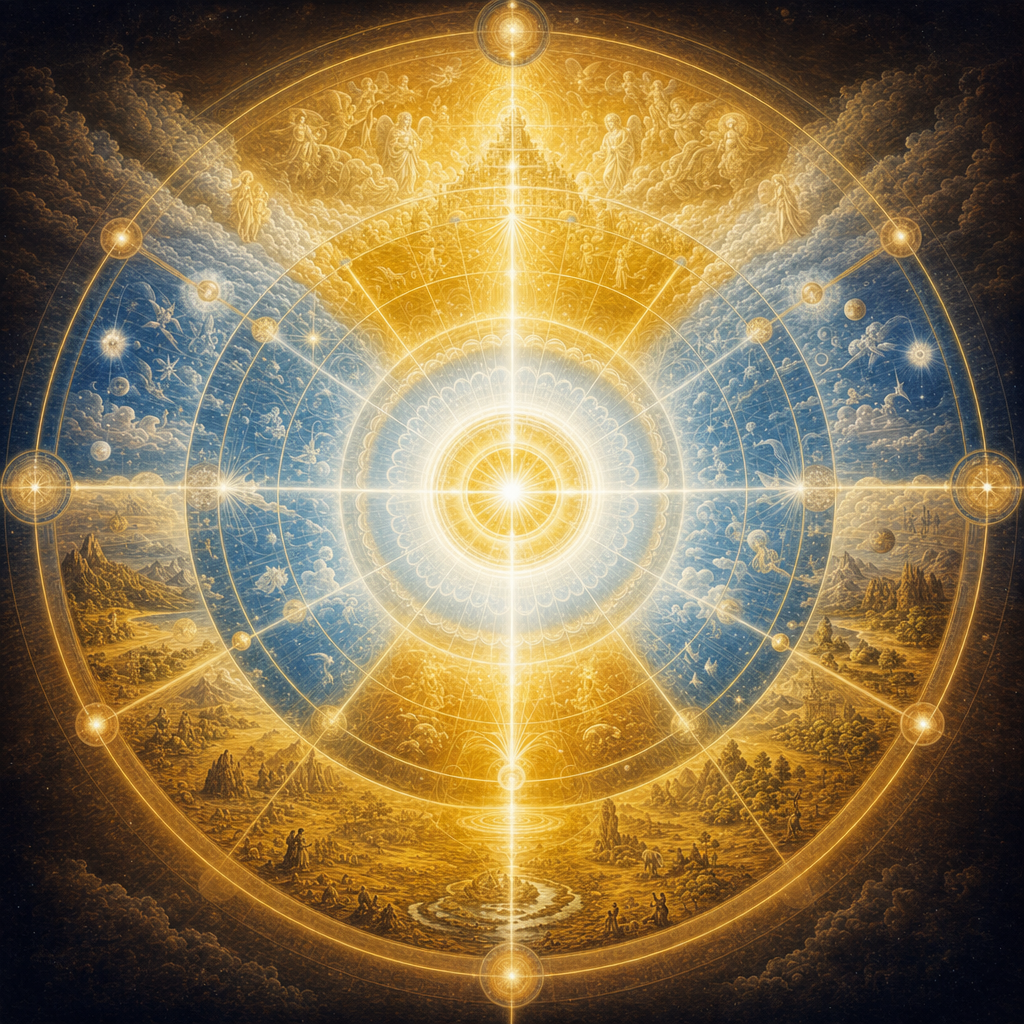
Swedenborg identifies three discrete degrees in both the universe and the human being: the natural, the spiritual, and the celestial. In the universe, these correspond to the natural world (governed by physical law), the spiritual world (the realm of spirits and angels), and the celestial heaven (the innermost heaven, nearest to God). In the human being, they correspond to the natural mind (sensory and rational), the spiritual mind (opened through regeneration), and the celestial mind (the inmost, where direct reception of divine love occurs).
The philosophical importance of Swedenborg's insistence on discreteness is that it prevents any collapse of the divine into the natural — any pantheism. God does not flow into nature by gradual attenuation; the divine passes through discrete thresholds, and at each threshold something qualitatively new comes into being. Creation is therefore not emanation (a weakening of the divine) but a genuine bringing-forth of the new.
Degrees in the Human Soul
The same structure that organises the cosmos organises the human soul. Most people, in Swedenborg's account, live primarily in the natural degree — the level of sensory experience and rational thought. The spiritual degree is present but closed; it is opened through the process of regeneration, in which the person's loves are gradually reoriented from self toward God. The celestial degree, the innermost, is the direct reception of divine love that characterises the highest angels and was the state of humanity before the fall.
The doctrine of discrete degrees is developed in the second part of Divine Love and Wisdom and is central to Swedenborg's response to both materialist philosophy and pantheistic mysticism. He insists throughout that the distinction between God and creation must be maintained — God flows into creation but is never identical with it.
Related Concepts