The Celestial Human
Before the fall, in Swedenborg's account, the human being was in a 'celestial' state — the inmost or celestial degree of the mind was open, and the person perceived divine truth by direct influx rather than by rational inference. This is the state of the 'most ancient church,' the Adamic humanity. Love of God was the foundation of their will; wisdom received from God was the content of their understanding. The will and intellect operated in harmony, with the will's love primary.
The fall consists in the inversion of this order. The representative figure of Eve in Swedenborg's reading is the will; the Serpent is sensory pleasure and the reasoning that serves it. When Eve eats first, the will is seduced by sensory desire; when Adam follows, the rational intellect (Adam) is subordinated to a will already corrupted by self-love. After the fall, the will's loves are no longer ordered by received wisdom but by self-interest, and the intellect becomes the servant of desire rather than its guide.
The Ancient Church and Its Decline
Swedenborg traces a history of successive churches — the Most Ancient, the Ancient, the Hebrew, the Christian — each representing a further stage of the will's disorientation from the divine and a corresponding shift in the mode of revelation. As direct celestial perception was lost, revelation shifted to correspondences (the symbolic language of the Most Ancient Church), then to explicit doctrine (the Hebrew law), and finally to the Incarnation — God taking human form to restore what had been lost. Regeneration is the reversal of this history within the individual soul.
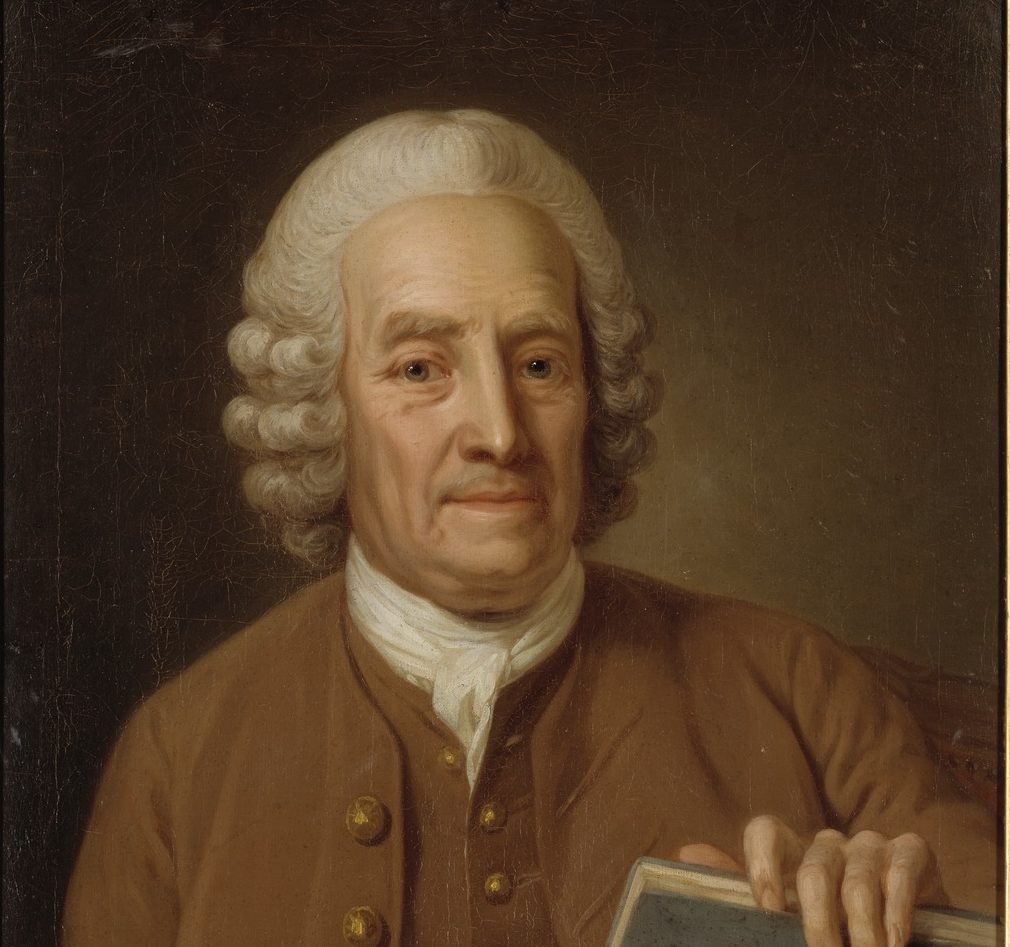
Swedenborg's account of the fall and the successive churches occupies much of the early volumes of the Arcana Caelestia. His reading of Adam and Eve as representative of will and intellect draws on a long tradition of psychological allegoresis, but his account of the celestial church as a historical reality is distinctive.
Related Concepts