Three Senses, One Text
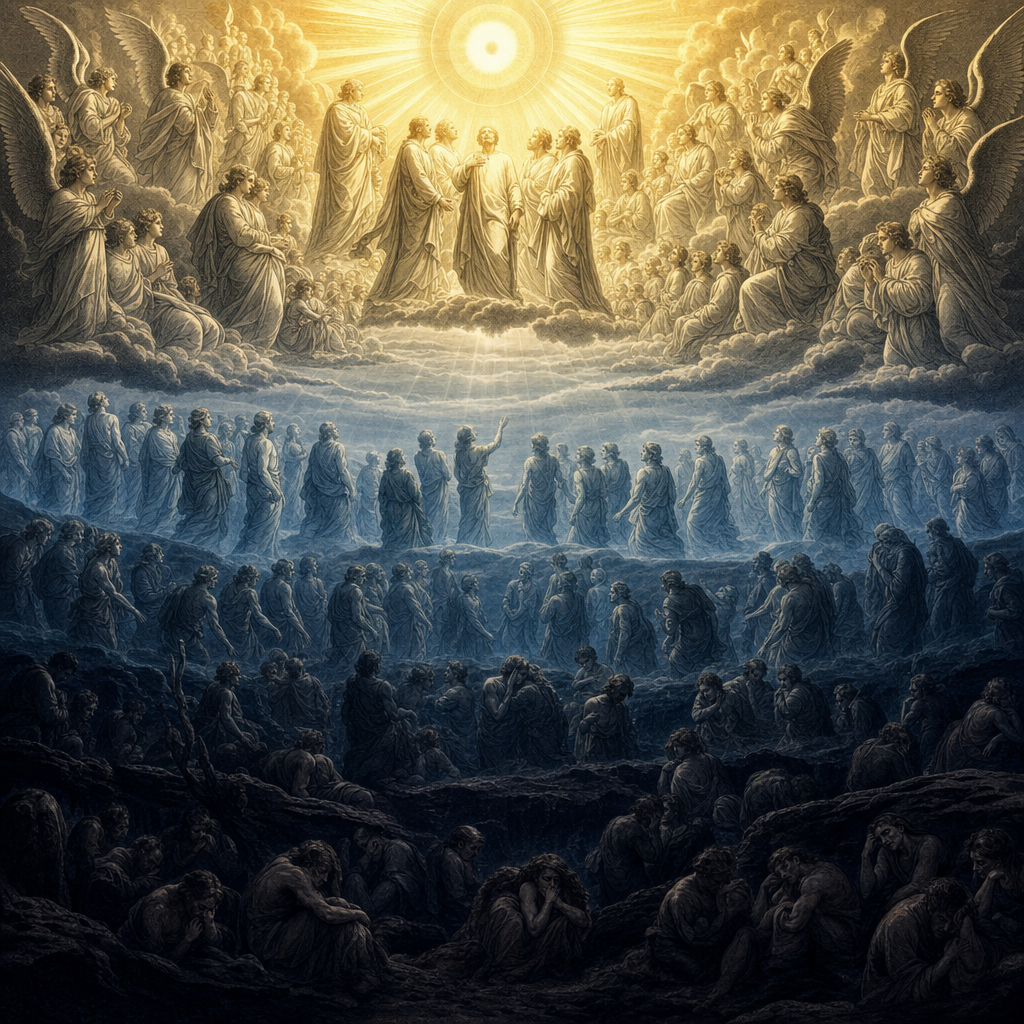
Swedenborg's hermeneutic differs from traditional allegorical interpretation in its claim to precision. Medieval exegetes (following the fourfold method) acknowledged multiple senses of Scripture, but Swedenborg insists that the spiritual sense is not a matter of edifying interpretation — it is the exact and determinate meaning that God encoded in the text. Each name, each number, each creature mentioned in Genesis and Exodus corresponds to a specific spiritual reality, and these correspondences are invariant: the same word always means the same thing in the spiritual sense.
Egypt, for instance, always corresponds to the natural mind and its knowledge; Israel always corresponds to the spiritual church; Jerusalem always corresponds to the doctrine of love and wisdom. Working through the text of Genesis with this key, Swedenborg finds that the narrative of creation describes not just the origin of the natural world but the stages by which a person is regenerated from natural to spiritual to celestial. The days of creation are the stages of the soul's formation.
The Literal Sense as Foundation
Swedenborg is careful to maintain that the literal sense is not thereby abolished. The literal text is the foundation and support of the inner senses — without it, they would have no stable form in which to exist. The literal sense guards the inner sense from misuse by providing a determinate text that constrains interpretation. Swedenborg's hermeneutic is therefore not an invitation to free allegorising but a claim to a specific decoding — one that he insists was given to him by angels rather than invented by him.
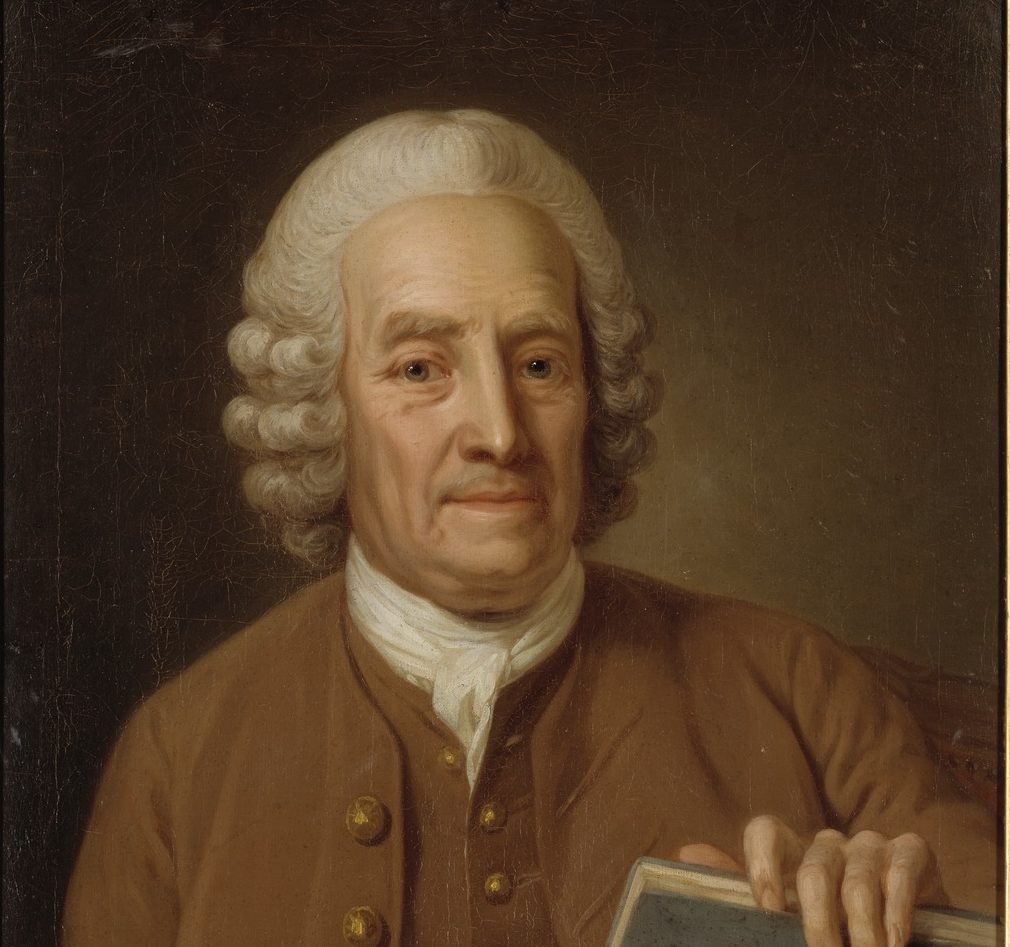
The Arcana Caelestia was Swedenborg's first major theological publication, appearing in eight Latin volumes between 1749 and 1756. Its hermeneutic of correspondences underlies all his subsequent biblical interpretation. The work's title means 'Heavenly Secrets' or 'Heavenly Arcana.'
Related Concepts