The Ruling Class and the Means of Mental Production
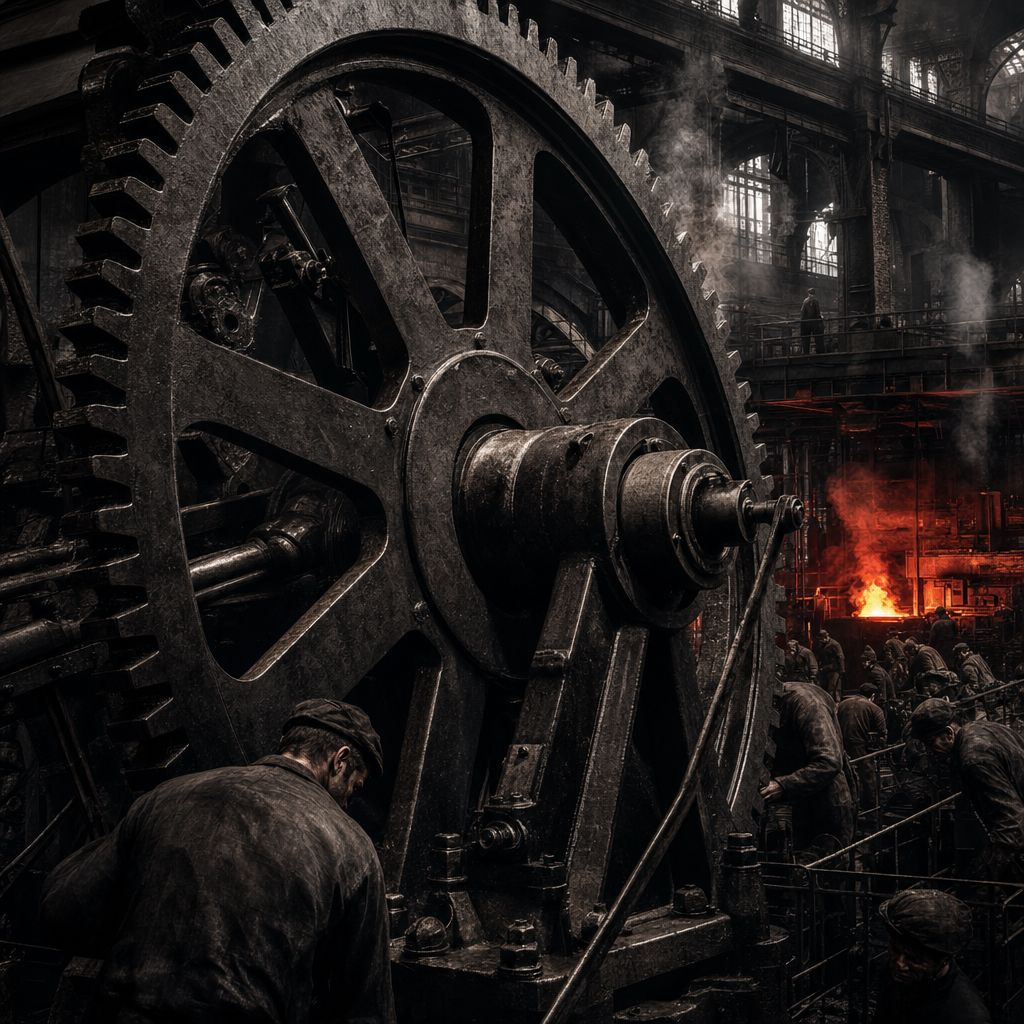
The ruling class controls not only the means of material production — factories, land, machines — but also the means of mental production: schools, churches, newspapers, universities, legal institutions. The class that produces and disseminates ideas is not a neutral intelligentsia but is either directly part of the ruling class or materially dependent on it. The ideas that predominate in public culture therefore tend to be those that represent the interests of the ruling class as the interests of society as a whole — that present a particular system of property relations as natural, universal, and just.
Making the Particular Appear Universal
The ideological operation that Marx identifies is the sleight of hand by which particular interests are made to appear universal. Bourgeois freedom, presented as the freedom of all, is in reality the freedom of capital; bourgeois equality, presented as the equal standing of all before the law, conceals the structural inequality between those who own the means of production and those who must sell their labour power to survive. Ideology does not usually operate by outright falsehood but by abstraction: by lifting concepts out of their social context and presenting them as timeless truths, it obscures the concrete social relations from which they derive their actual meaning.
False Consciousness and Its Limits
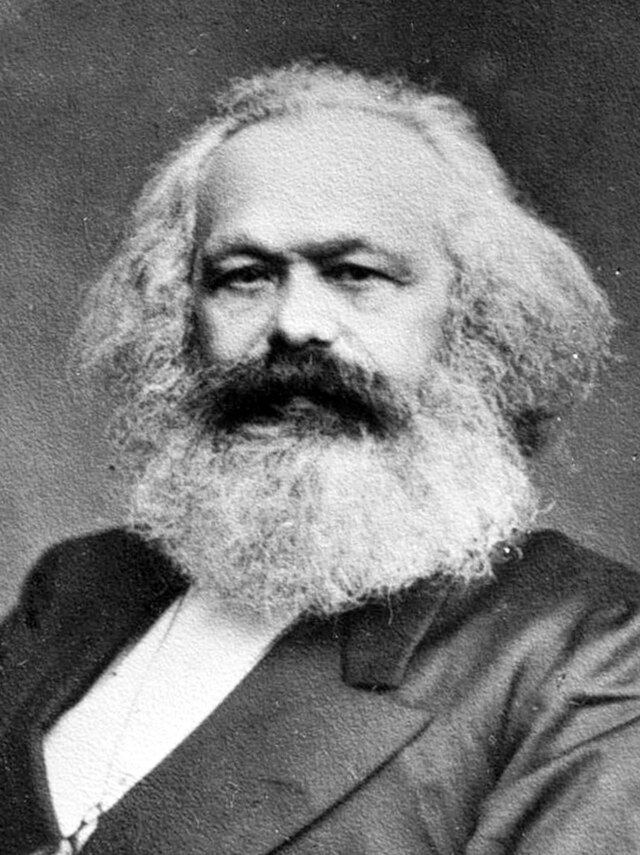
The concept of false consciousness — workers accepting a system that exploits them because they have internalised the ruling ideology — is often attributed to Marx but the exact phrase is Engels's, from a later letter. Marx's own account is more nuanced: ideology is not simply imposed from above but arises from the surface appearances of capitalist social relations themselves. The market really does appear to be a realm of freedom and equality; commodities really do appear to have objective values. The task of critique is not to correct errors but to penetrate beneath appearances to the underlying structure — a task that requires not just clear thinking but changing the social conditions that generate the appearances.
The ruling ideas thesis appears in The German Ideology (1845–1846), written with Engels but not published in their lifetimes. Its development in later Marxist theory — from Gramsci's concept of hegemony to Althusser's theory of ideological state apparatuses — reflects its central importance to the tradition.
Related Concepts