The Material Basis of Social Life
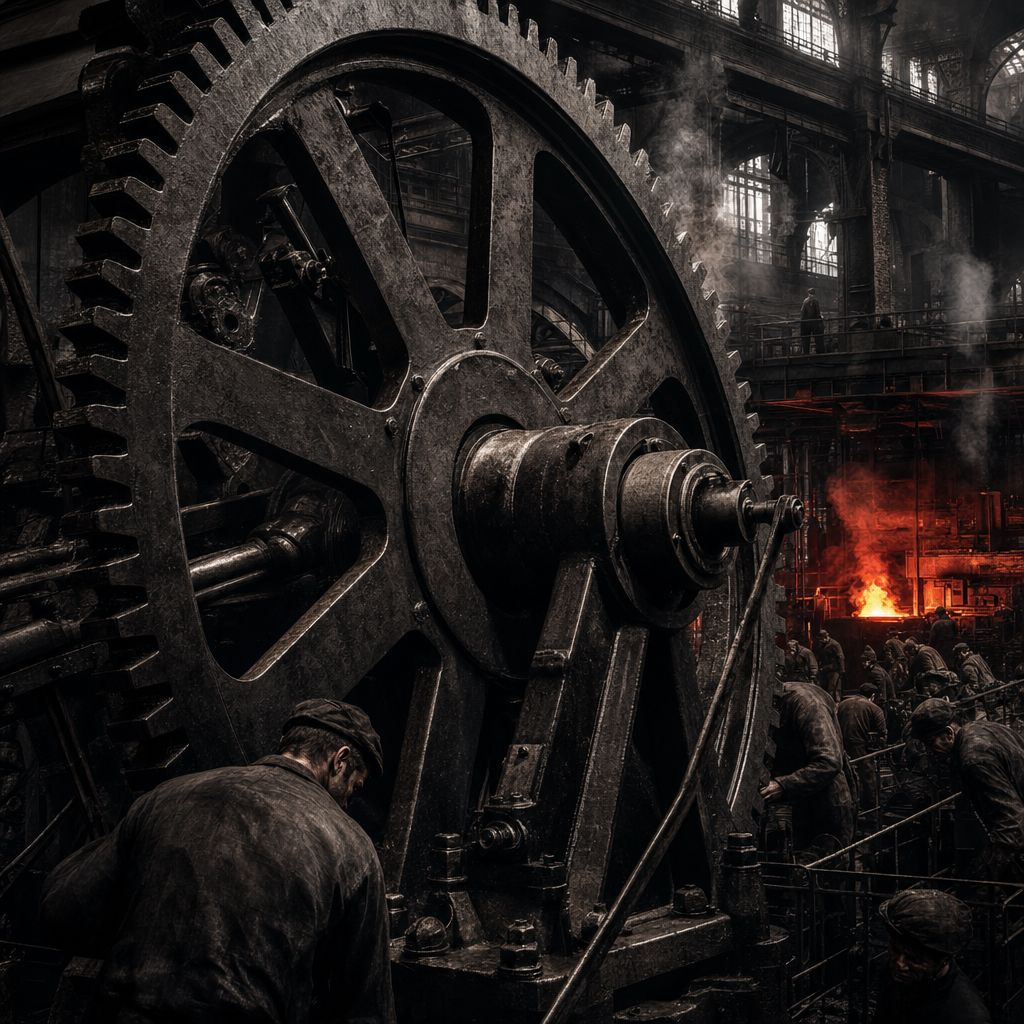
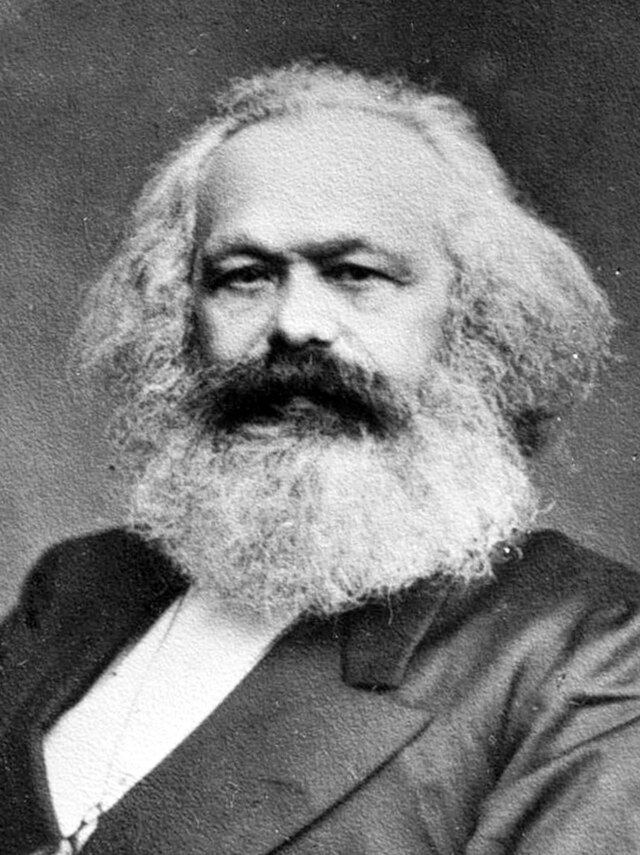
In the famous Preface to A Contribution to the Critique of Political Economy (1859), Marx offers his most compressed statement of historical materialism: the anatomy of civil society is to be sought in political economy. People's social existence determines their consciousness, not the other way around. The mode of production of material life conditions the social, political, and intellectual life process in general. This inversion of idealism — putting matter before mind, base before superstructure — is the methodological foundation of everything Marx subsequently wrote.
Forces and Relations of Production
The mode of production has two aspects: the forces of production (tools, technology, knowledge, natural resources) and the relations of production (the social relations — ownership, control, exchange — in which production is organised). In any given historical epoch, the relations of production correspond to a definite stage of development of the forces of production. When the forces develop beyond the point where the existing relations can contain them, the social form enters a period of crisis and revolution. The transition from feudalism to capitalism — driven by the development of trade, manufacture, and technology beyond the capacity of feudal relations to organise — is Marx's primary historical example.
History as Class Struggle
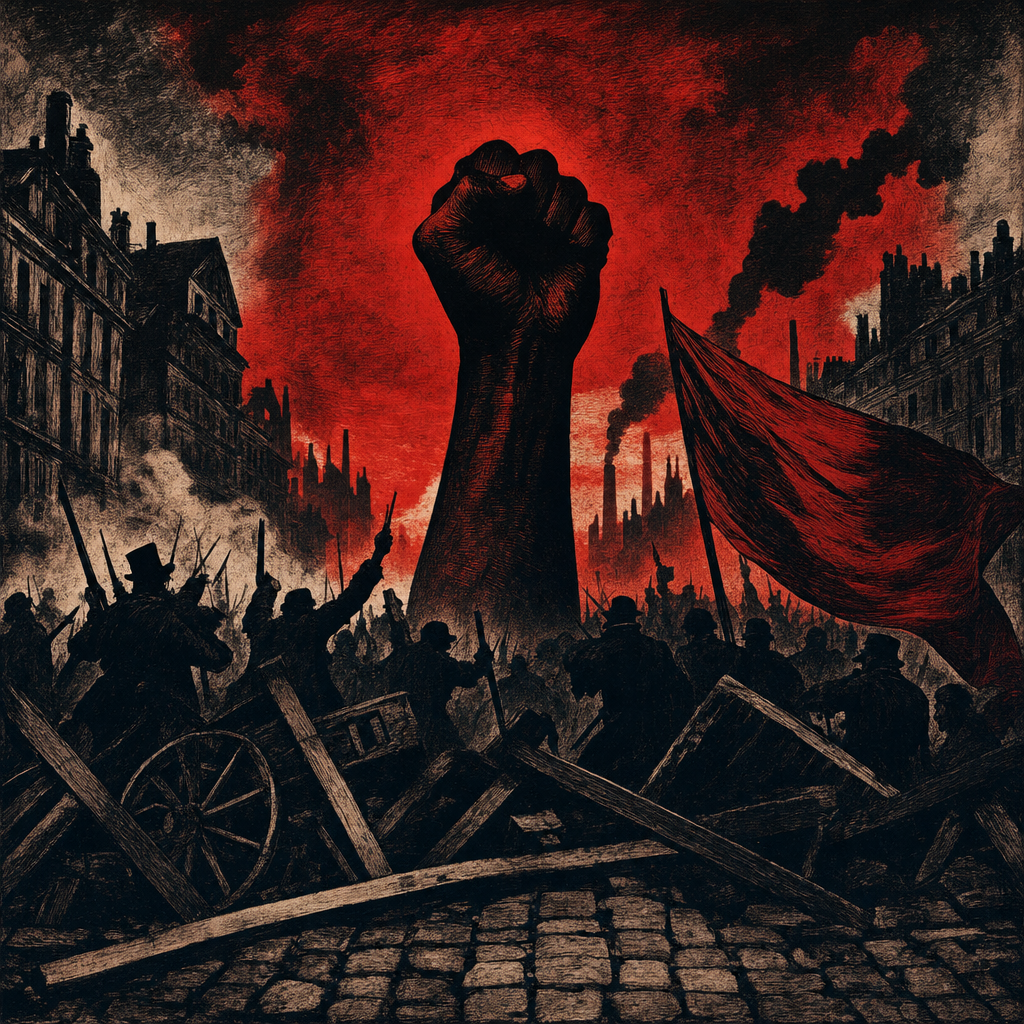
The mechanism through which historical transitions occur is class struggle. Each mode of production generates classes defined by their relationship to the means of production — those who own and those who labour. The contradictions within the mode of production are expressed as antagonism between these classes, and revolutionary transformation occurs when the rising class, whose interests align with the development of new productive forces, displaces the ruling class whose power is tied to the old relations. History is therefore not the story of ideas developing in consciousness but of real human beings in conflict over the material conditions of their existence.
The key statement of historical materialism is the 1859 Preface, but the theory is implicit throughout Capital and explicit in The German Ideology (1845–1846, published posthumously), the Theses on Feuerbach (1845), and the Communist Manifesto (1848). The term "historical materialism" was not coined by Marx but by Engels and became standard in the Second International tradition.
Related Concepts