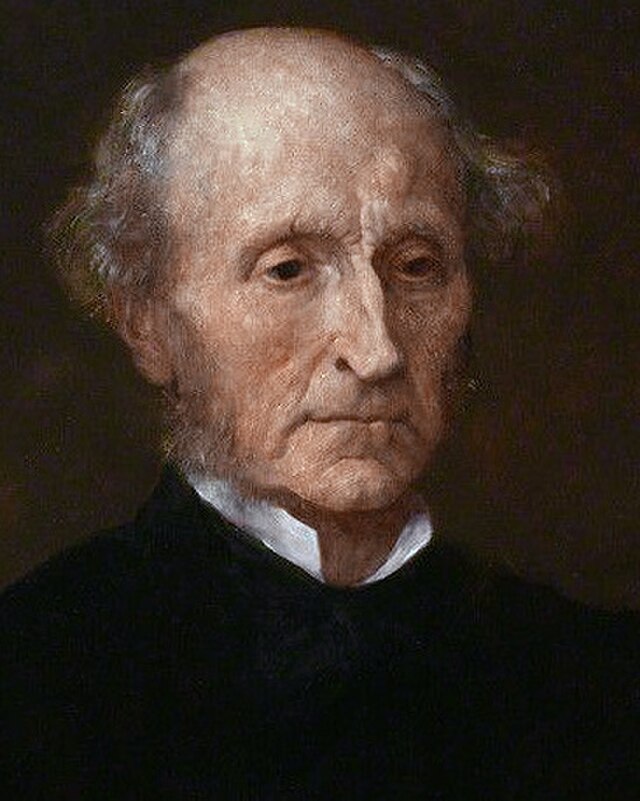
The Legal Condition of the Wife
Mill catalogues the specific legal disabilities of the Victorian wife: she has no property rights in her own earnings; she cannot contract independently; her person is legally subject to her husband's authority, including in matters of bodily integrity. He observes that even the serf had rights that the law did not extend to the wife — the serf could not be compelled to live in the master's house and serve as both a domestic servant and an object of compulsory affection. The analogy with slavery is deliberate and carefully qualified: Mill does not say women are slaves, but that the legal structure of marriage more nearly resembles bondage than a free contract between equals.
Consent and Its Conditions
The objection that women freely consent to marriage misses the point. A consent that has been shaped by the total absence of alternatives is not a free choice. When women are denied education, excluded from all professions, and left without any independent means of support, marriage is not a voluntary arrangement but the only option available. Mill demands a prior condition: that women have genuine alternatives before any conclusion is drawn about what they naturally want. The reconstruction of marriage as a free contract requires first that both parties have real freedom to choose otherwise.
The Ideal of Equal Partnership
Against the existing institution, Mill sketches an ideal: a marriage between equals in law and in practice, where both partners bring to the union their full capacities, share in its decisions, and maintain their individual identities and rights throughout. He draws on his own marriage to Harriet Taylor Mill as a model of intellectual partnership — an arrangement in which the contributions of both were genuine and mutually acknowledged. Such a partnership, he argues, is not only just but the deepest source of personal happiness for both parties and the best moral environment for children.
Chapters 2 and 4 of The Subjection of Women develop the analysis of marriage and the ideal of equal partnership. The work appeared in the same year that Mill helped found the first women's suffrage committee in Britain.
Related Concepts