The Economic Foundation
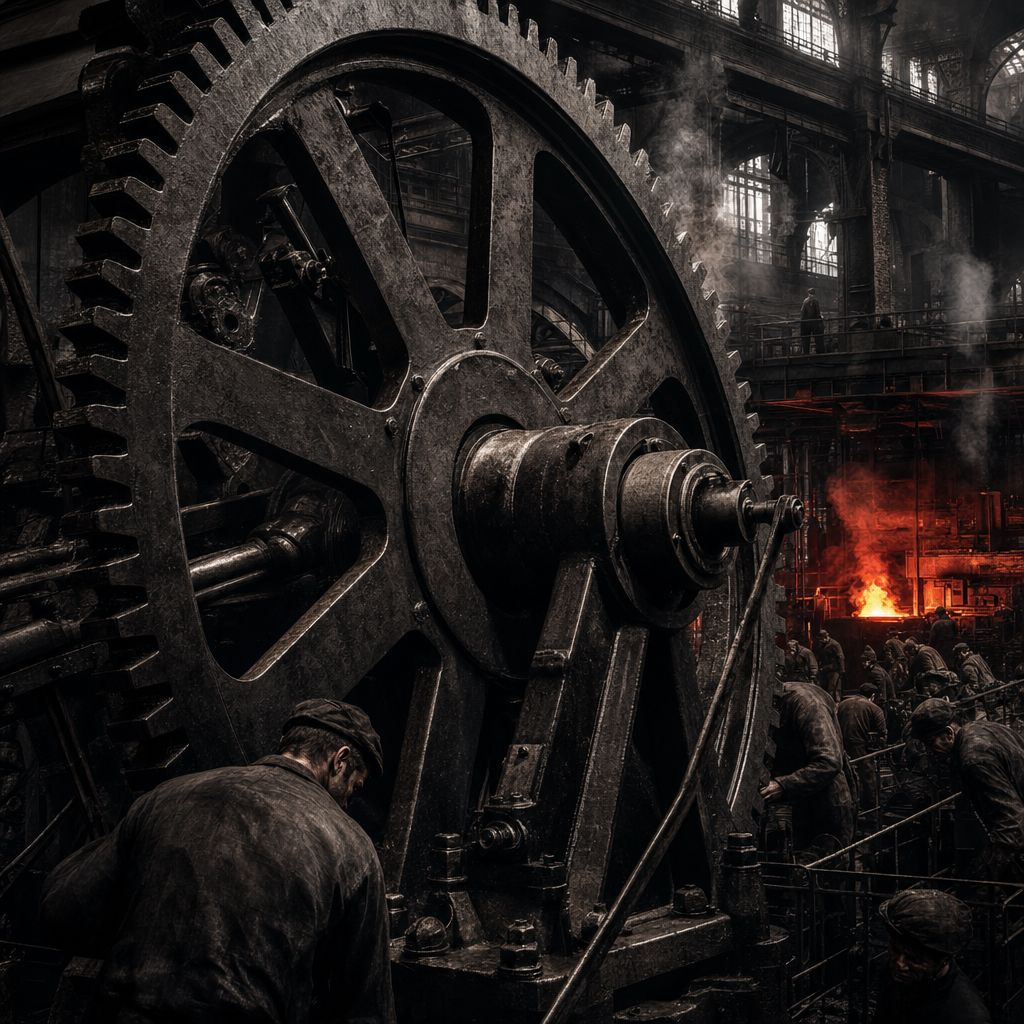
The base consists of the forces and relations of production: the technology, skills, and resources available, and the social forms — ownership, employment, contracts — in which production is organised. This is not the economy in the narrow sense of business transactions but the entire set of social relations through which human beings collectively appropriate nature and produce their material existence. It is the "real foundation" on which "a legal and political superstructure" arises and to which "definite forms of social consciousness correspond."
Ideology as Necessary Illusion
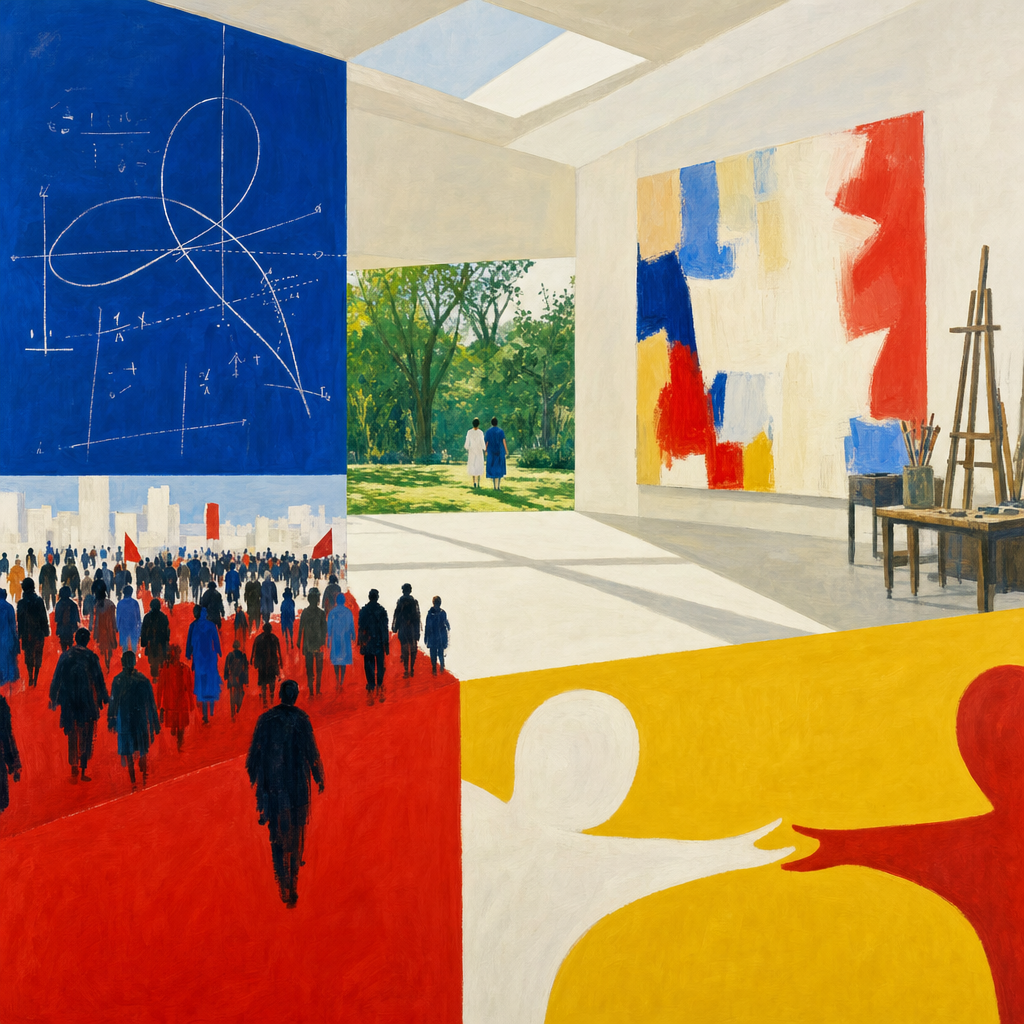
The superstructure is not merely passive reflection but active reproduction: law protects property relations; the state enforces them by violence; religion sanctifies them; philosophy provides their justifications. The ruling ideas of every epoch are the ideas of the ruling class — those who control the means of material production also control, to a significant degree, the means of mental production. Ideology is not arbitrary deception but a necessary form in which social contradictions are represented, managed, and reproduced. Its truth content is real but partial: it grasps the surface appearances of social relations while concealing their underlying structure.
Determination in the Last Instance
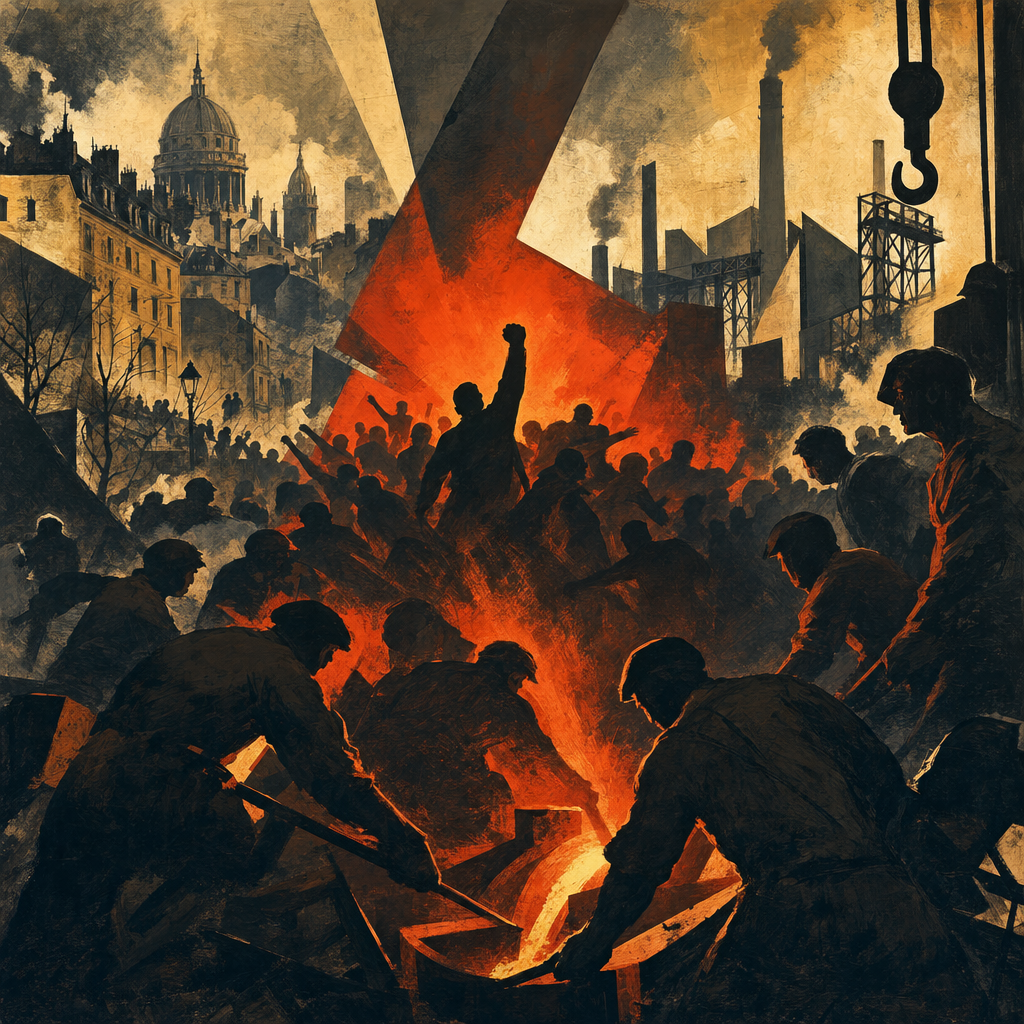
Engels, in later letters, clarified that economic determination "in the last instance" does not mean that the superstructure is simply reducible to the base or that every cultural or political development can be read off from economic conditions. The superstructure has its own relative autonomy and can react back on the base, accelerating or retarding its development. What historical materialism insists is that when we ask why certain ideas or institutions arise and endure, the answer is ultimately to be sought in the social relations of production — not in the internal logic of ideas themselves, nor in the genius of individual thinkers, nor in accidents of political history.
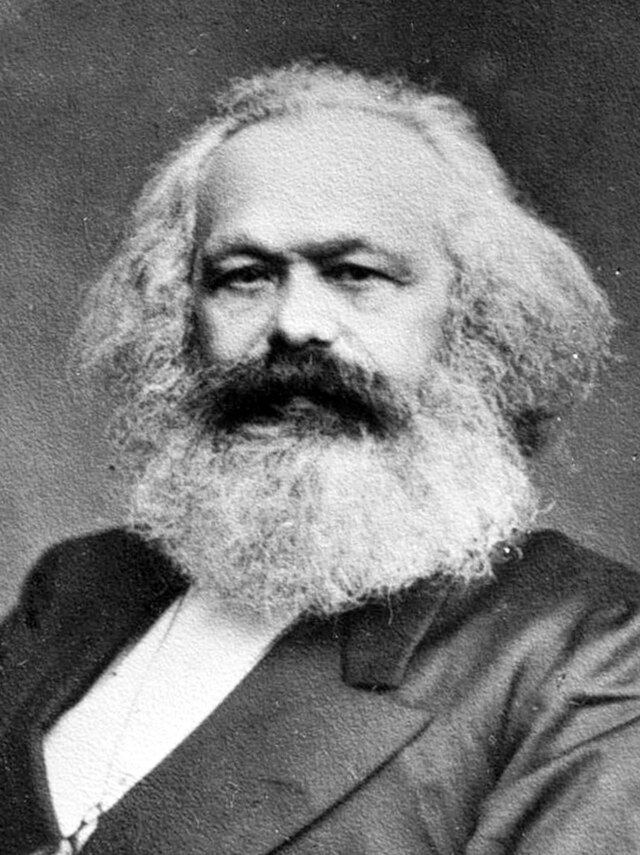
The base/superstructure model is most explicitly formulated in the 1859 Preface and in the German Ideology. Its implications for the analysis of culture and politics were extensively developed by Antonio Gramsci (hegemony), Louis Althusser (relative autonomy, ideological state apparatuses), and Raymond Williams (dominant, residual, and emergent cultural forms).
Related Concepts