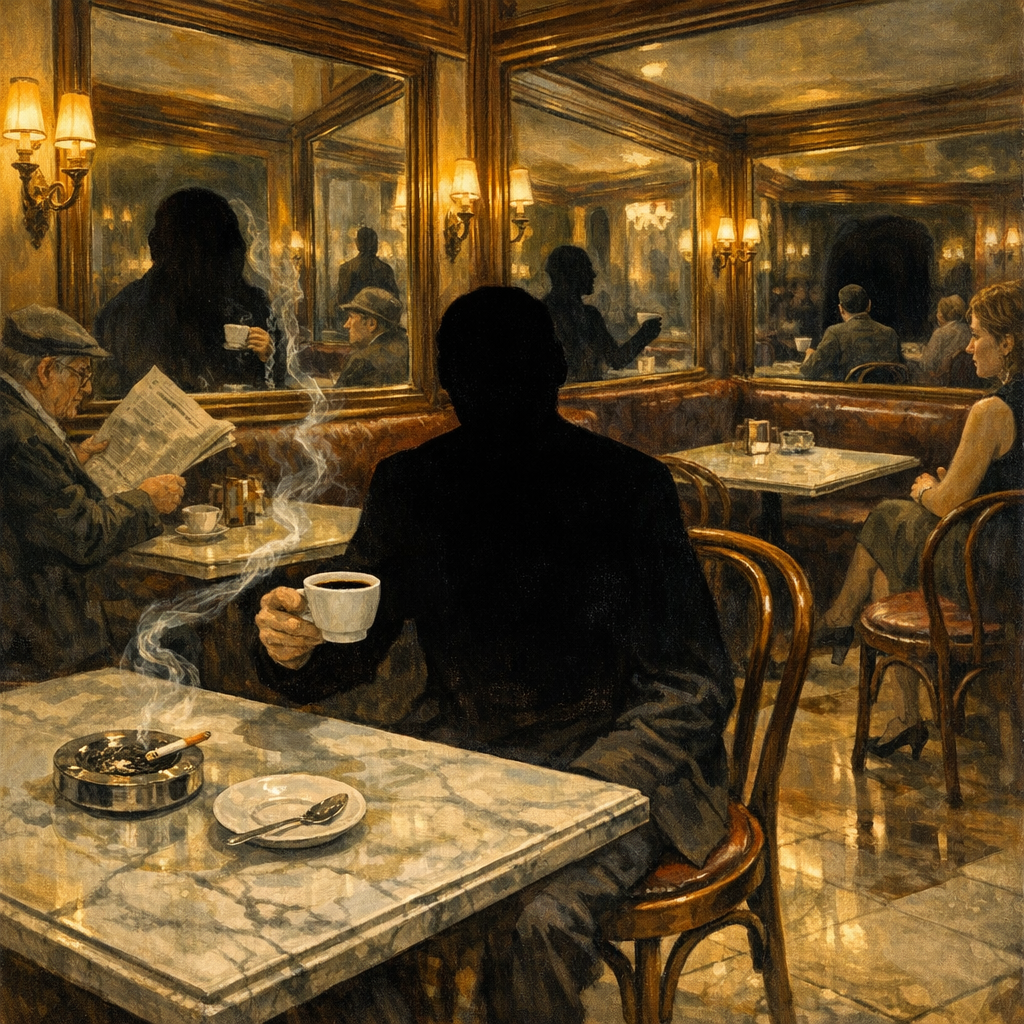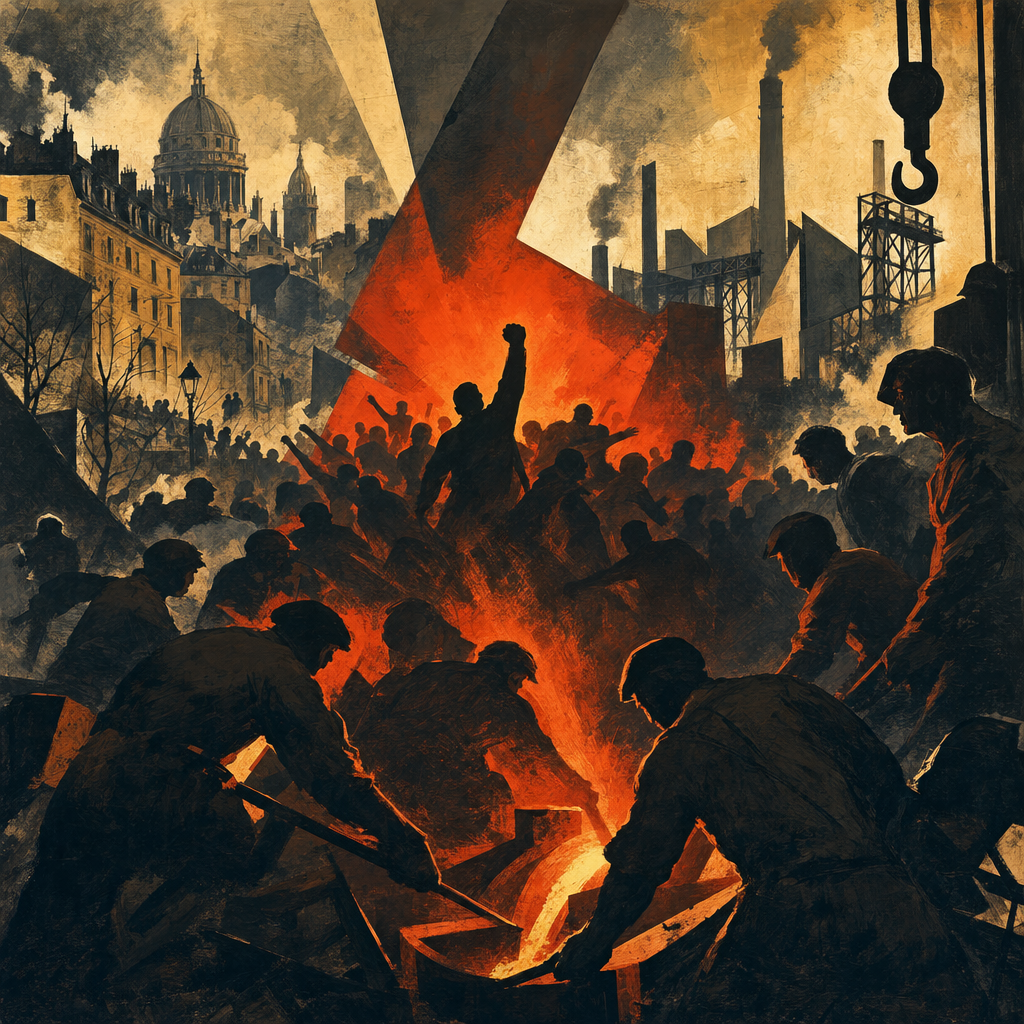
Critique of Dialectical Reason is Sartre's most ambitious systematic work — an attempt to reconcile existentialism with Marxism by grounding historical materialism in a phenomenological analysis of human praxis. Written in a sustained burst of amphetamine-fuelled composition and published in two volumes (1960 and 1985, the second left unfinished), the work asks how individual freedom, which existentialism takes as irreducible, can generate the objective historical structures that Marxism analyses. Sartre's key concepts are praxis (purposive human activity), the practico-inert (the way past praxis solidifies into material and social constraints that act back upon human beings), seriality (the alienated form of social relations in which individuals are isolated by their relation to the same object), and the fused group (the explosive moment when seriality breaks down and individuals unite in a common freedom). The book analyses scarcity as the fundamental condition that makes human history a struggle rather than a harmonious development, and traces how groups form, institutionalise, bureaucratise, and eventually re-serialise. It is simultaneously a foundational text of Western Marxism, a phenomenology of social ontology, and a continuation of the analysis of bad faith and freedom from Being and Nothingness into the domain of collective action and historical transformation.
This work isn't available here yet. In the meantime you can purchase a copy on Amazon, or check back later, as we are always adding books to our library.
As an Amazon Associate we earn from qualifying purchases.