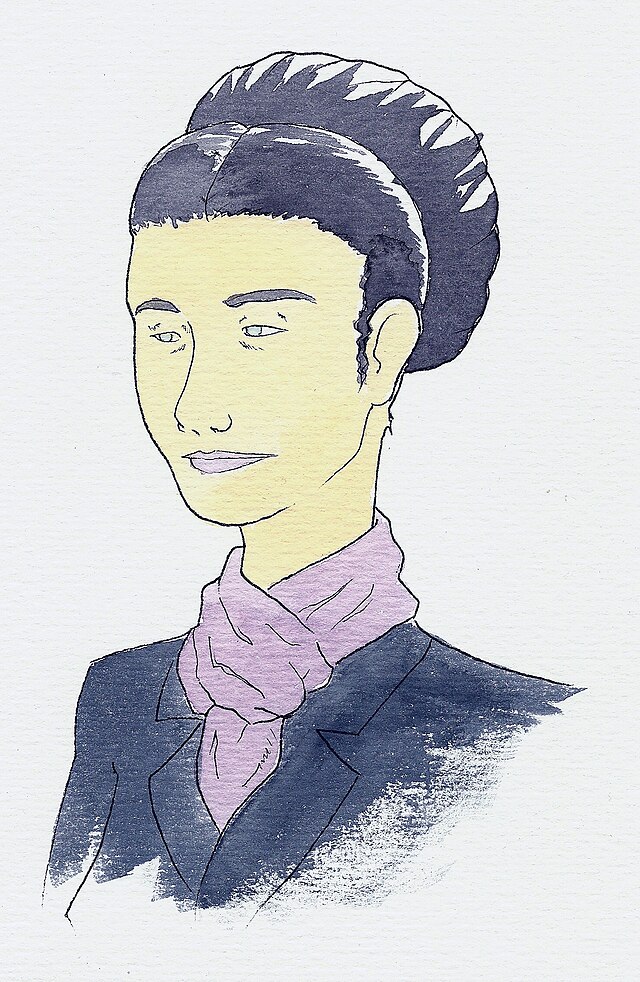
Facticity and Transcendence
Every human being is both a facticity and a transcendence. Facticity is what is given: the body, the past, the social situation, the material circumstances that constrain the range of possible action. Transcendence is the freedom that perpetually exceeds this given, projecting the self into a future that is not yet determined. Human existence is the irreducible tension between these two dimensions: we are always already situated, always already embedded in a history and a material world, yet we are also always free to take up this situation in different ways, to project ourselves toward different futures, to refuse or accept the identities that our situation offers.
Why Ambiguity Cannot Be Dissolved
Traditional philosophy has tried to dissolve this ambiguity in two directions. Idealism (Hegel, certain readings of Sartre) privileges transcendence, treating freedom as absolute and the given as merely raw material for free self-creation. Materialism and determinism privilege facticity, treating the human being as a product of natural and social forces with no genuine freedom. Beauvoir argues that both moves are forms of bad faith: they deny one of the two irreducible dimensions of existence in order to achieve a false security or clarity. The ambiguity is real, and genuine philosophy must start from it.
Authenticity and the Acceptance of Freedom
Authentic existence means taking up the ambiguity honestly — accepting that one is both free and situated, that one's choices matter and that they are made in a world one did not choose. This is not resignation but a specific ethical demand: the person who accepts her freedom cannot also accept a world in which others are denied theirs, because the conditions for genuine freedom are social as well as individual. The child who is told what to feel and what to want, the colonised subject whose situation is structured to deny agency — these are not people who lack freedom in some deep metaphysical sense but people whose freedom has been socially suppressed. Recognising one's own freedom entails recognising the injustice of that suppression.
The opening analysis of ambiguity draws extensively on Sartre's Being and Nothingness but modifies the Sartrean framework in the direction of intersubjectivity and political ethics. Beauvoir's account of authentic existence is significantly more socially embedded than Sartre's, anticipating her later critique of existentialist individualism in The Second Sex.
Related Concepts