Learn › Enlightenment

Learning path · 9 steps
The Enlightenment Thinker Path
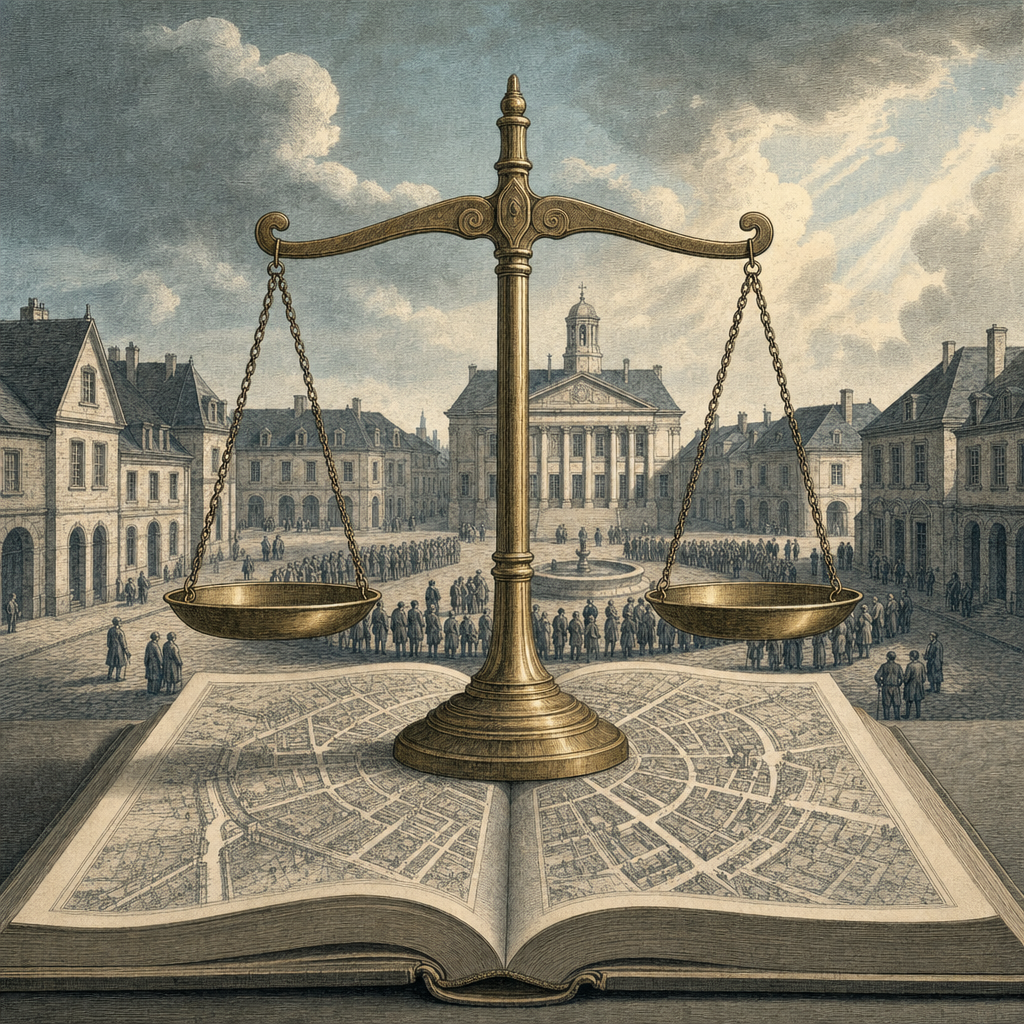
The Enlightenment was the eighteenth-century intellectual movement that championed reason, science, and individual liberty against tradition, superstition, and arbitrary authority. Voltaire attacked religious intolerance, Rousseau theorised the social contract, Kant argued that humans must dare to use their own understanding. Its legacy includes modern liberal democracy and the universal declaration of human rights.
0% complete
1

Concept · 4 minUp next
Impressions and Ideas
David Hume
2

Concept · 4 min
Purposiveness without Purpose
Immanuel Kant
3

Concept · 5 min
The Formula of Humanity
Immanuel Kant
4

Concept · 4 min
The Good Will
Immanuel Kant
5
Concept · 4 min
Sensation and Reflection
John Locke
6
Concept · 5 min
The Two Stems of Knowledge
Immanuel Kant
7

Full text · 4 chapters
An Essay Concerning Human Understanding
John Locke
8

Full text · 12 chapters
An Enquiry Concerning Human Understanding
David Hume
9

Full text · 1 chapter
Discourse on the Arts and Sciences
Jean-Jacques Rousseau
Further reading
More from Enlightenment, beyond the core path.