The Distinction
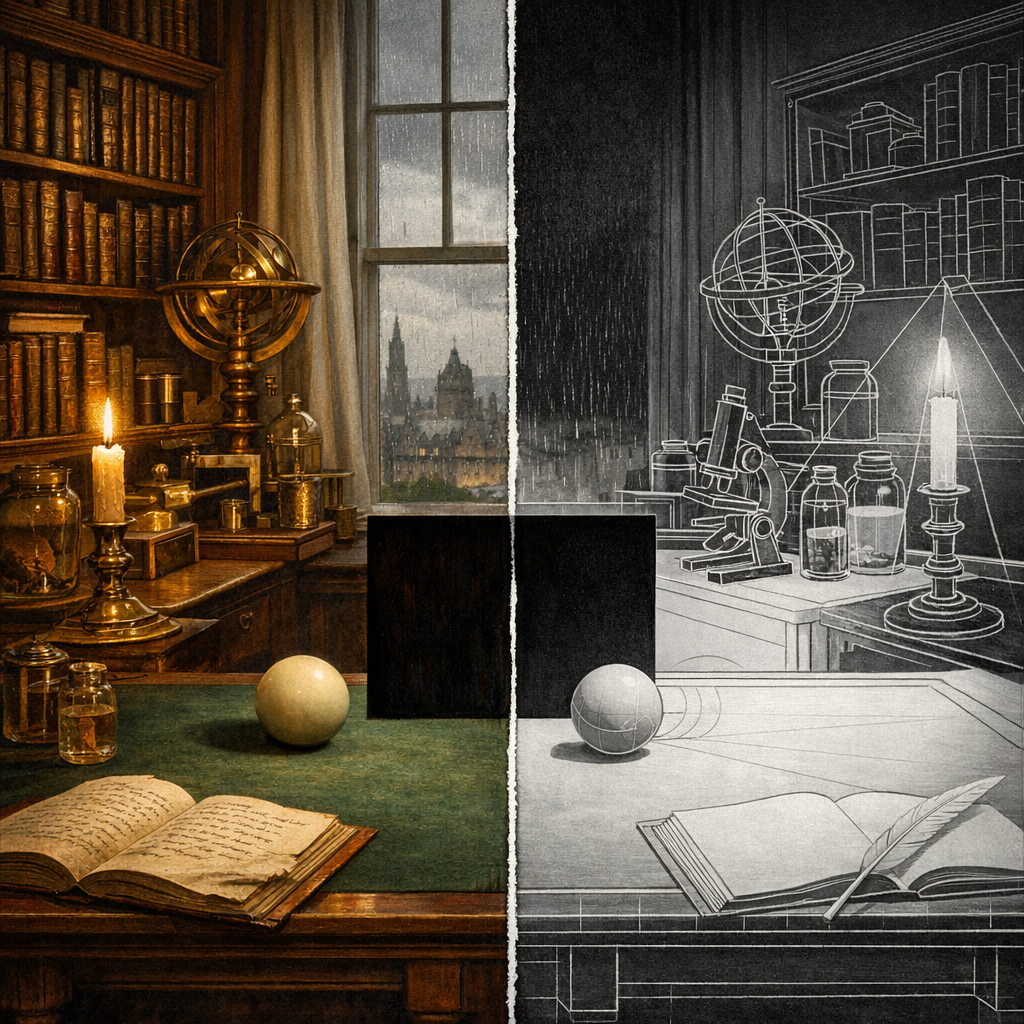
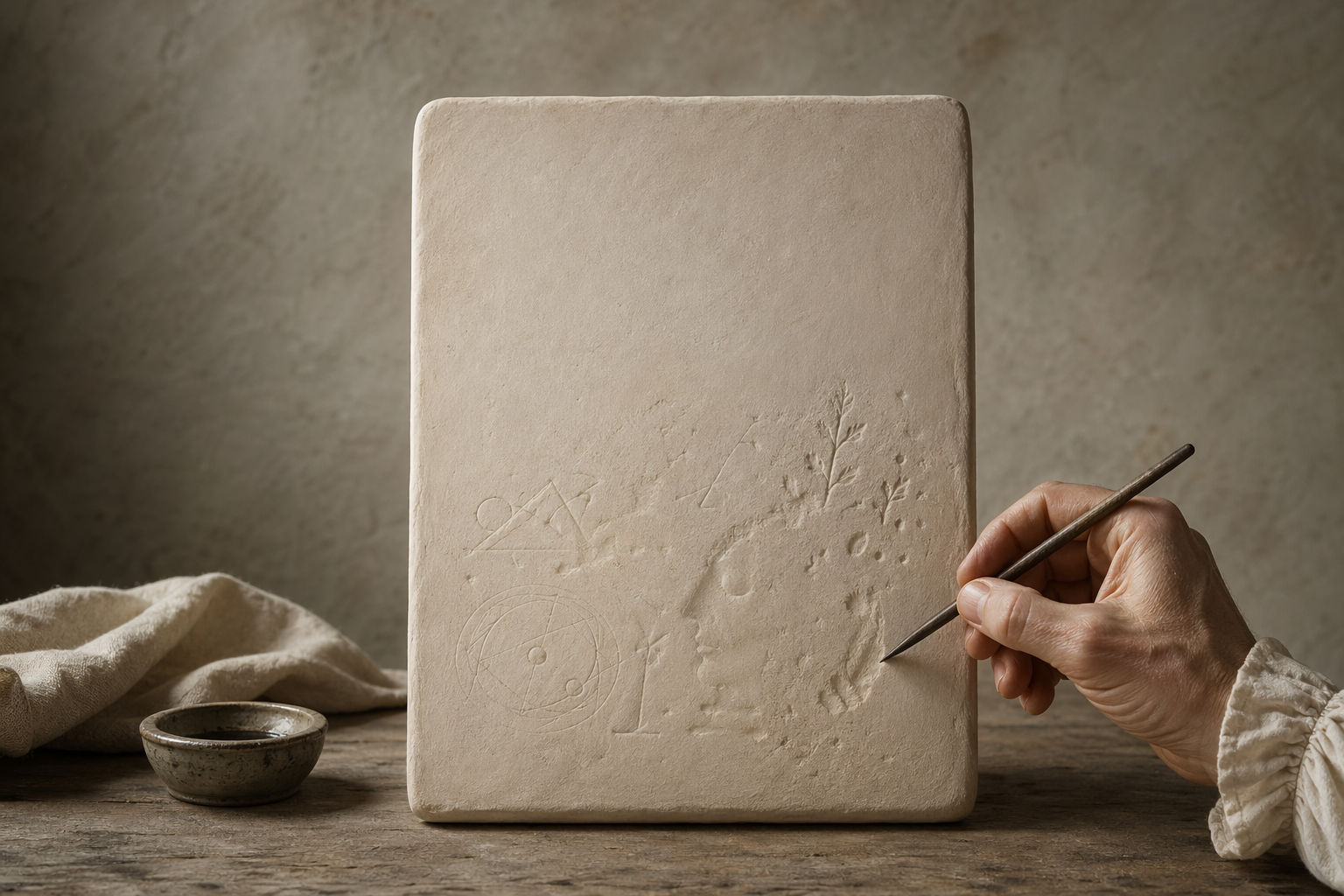
Impressions are the vivid, forceful perceptions we have when we actually see, hear, feel, or desire something. Ideas are the faint copies of those perceptions that remain when the experience is over — what we work with when we think, remember, and imagine. The difference is not in content but in liveliness: the idea of red is a dim echo of seeing something red.
Or,
to express myself in philosophical language, all our ideas or more
feeble perceptions are copies of our impressions or more lively ones.
The Copy Principle
From this distinction Hume draws a razor: every genuine idea must be traceable to an impression from which it was copied. If you cannot point to an impression that gave rise to a concept, that concept is either meaningless or confused. This is the tool Hume will use throughout the Enquiry to expose metaphysical pretensions — asking, in effect, "from what impression is this supposedly profound idea derived?"
The Test in Practice
Apply the test to "necessary connection" — the supposed causal tie between events — and Hume finds no impression of it. Apply it to the soul as a persisting substance and again no impression can be found. The distinction between impressions and ideas is not just a theory of mind; it is an instrument of philosophical critique, designed to separate genuine knowledge from empty verbiage.
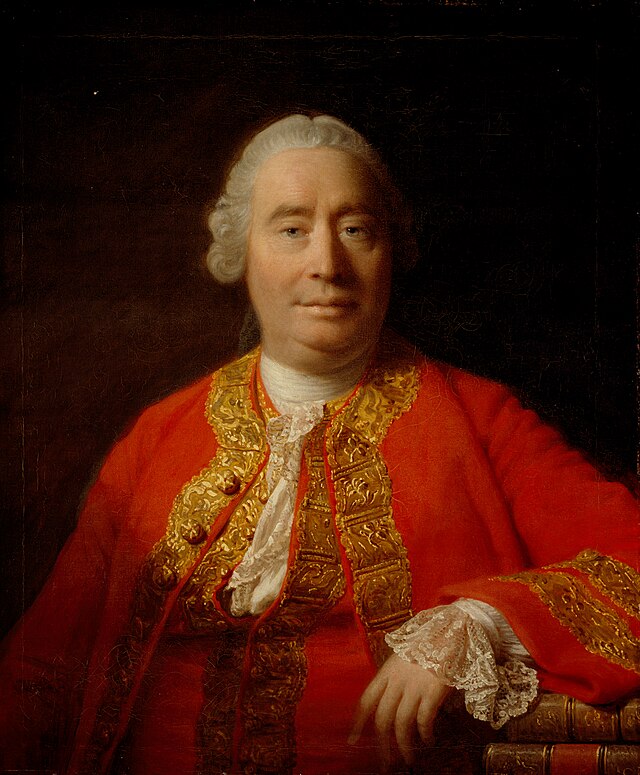
The impression/idea distinction is introduced in Section II of the Enquiry. A version of it also appears in the earlier Treatise of Human Nature (1739), which Hume repudiated as a juvenile work — but the distinction itself survives.
Related Concepts