A Community of Rational Legislators
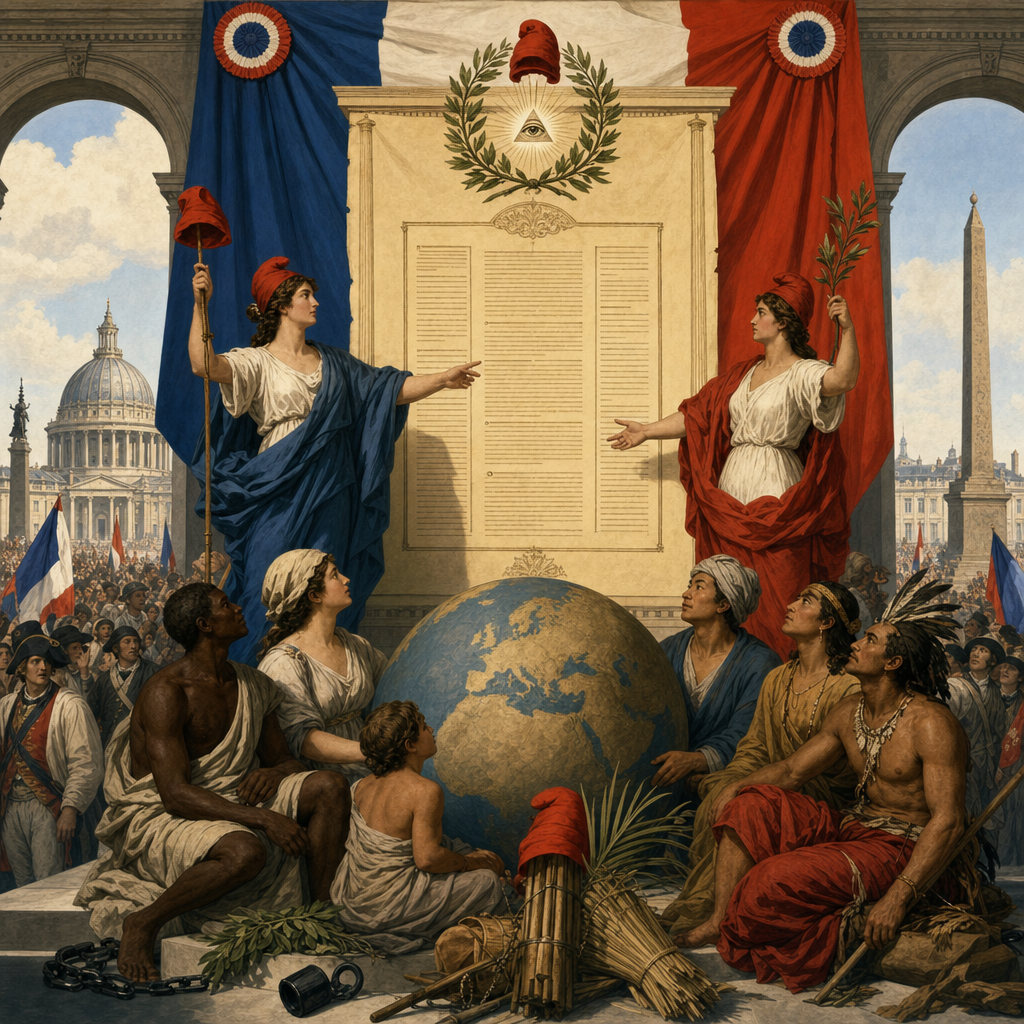
Kant asks us to imagine abstracting away all personal differences between rational beings — our particular desires, social positions, and private ends. What remains is a community of rational wills, each capable of legislating moral laws. Because these laws must be universalisable, each member's legislation is valid for all. The kingdom of ends is this ideal moral community conceived as a systematic whole.
we shall be able to conceive all ends combined in a systematic whole (including both rational beings as ends in themselves, and also the special ends which each may propose to himself), that is to say, we can conceive a kingdom of ends, which on the preceding principles is possible.
Value and Dignity
Within the kingdom of ends, Kant introduces a crucial distinction between what has value and what has dignity. Things with value can be exchanged for equivalents — they have a market price or a fancy price. But rational beings, as ends in themselves, are beyond all price. Their worth is incommensurable, and the recognition of this is what Kant means by dignity.
In the kingdom of ends everything has either value or dignity. Whatever has a value can be replaced by something else which is equivalent; whatever, on the other hand, is above all value, and therefore admits of no equivalent, has a dignity.
Legislator and Subject
Every rational being is simultaneously a legislating member and a subject of the kingdom of ends. As legislator, they give the universal law; as subject, they are bound by it. This dual status is not a contradiction but a mark of autonomy — the laws one is subject to are the very laws one has given oneself through reason. Kant sees this as the deepest expression of moral freedom.
The kingdom of ends formulation appears in the Second Section of the Groundwork as the synthesis of the universal law and humanity formulations, completing Kant's systematic presentation of the categorical imperative.
Related Concepts