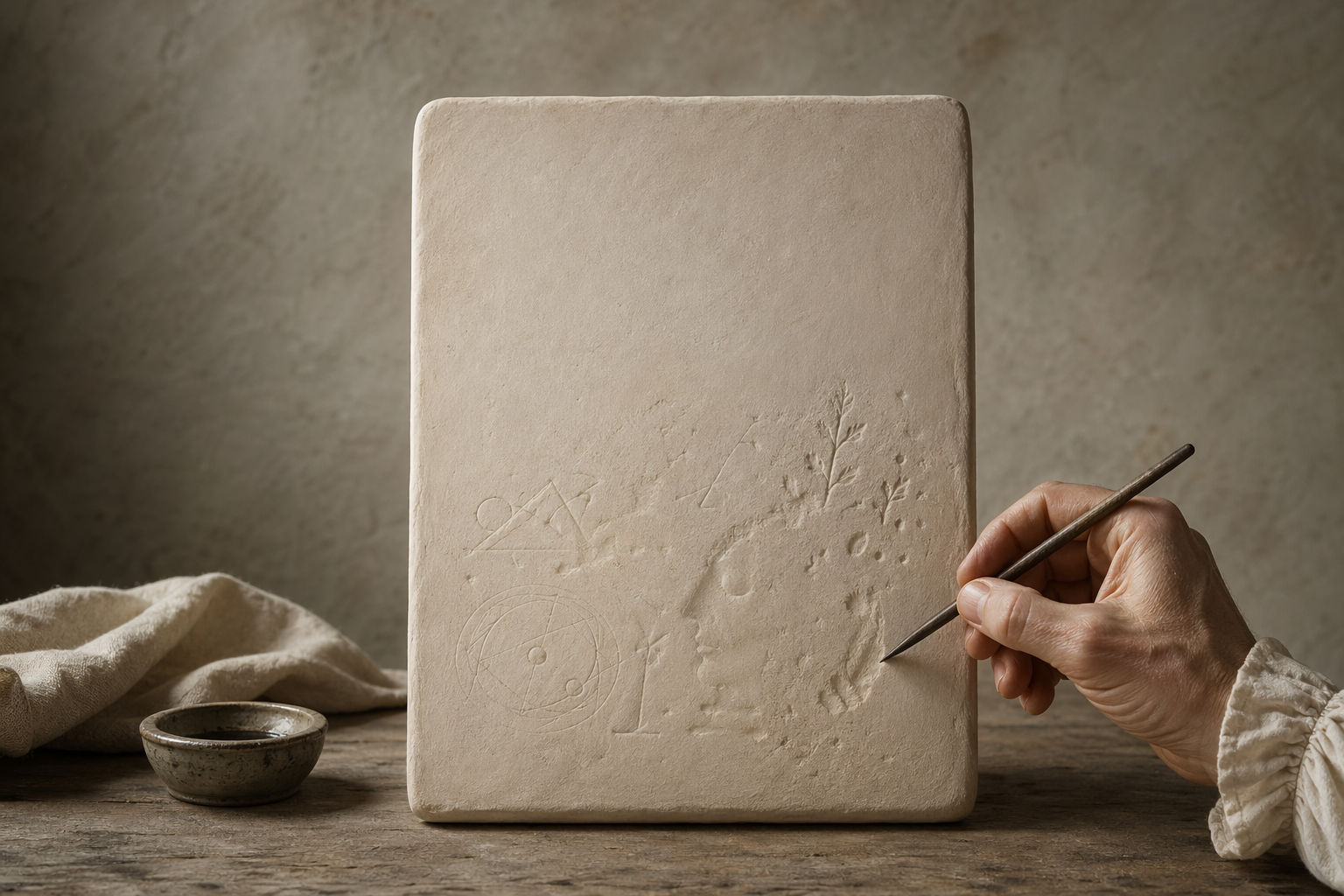
Locke's Essay is the founding document of British empiricism and one of the most influential works in the history of philosophy. Against the rationalist doctrine of innate ideas, Locke argues that the mind begins as a blank slate and that all knowledge derives ultimately from experience — sensation and reflection. Book I demolishes innatism; Book II gives a systematic account of how ideas arise; Book III examines the role of language in knowledge; Book IV analyses what knowledge actually is and how far it can extend. Together they set the agenda for the entire empiricist tradition and laid the philosophical groundwork for the scientific revolution's self-understanding.
More by John Locke