The Conatus and Its Discontents
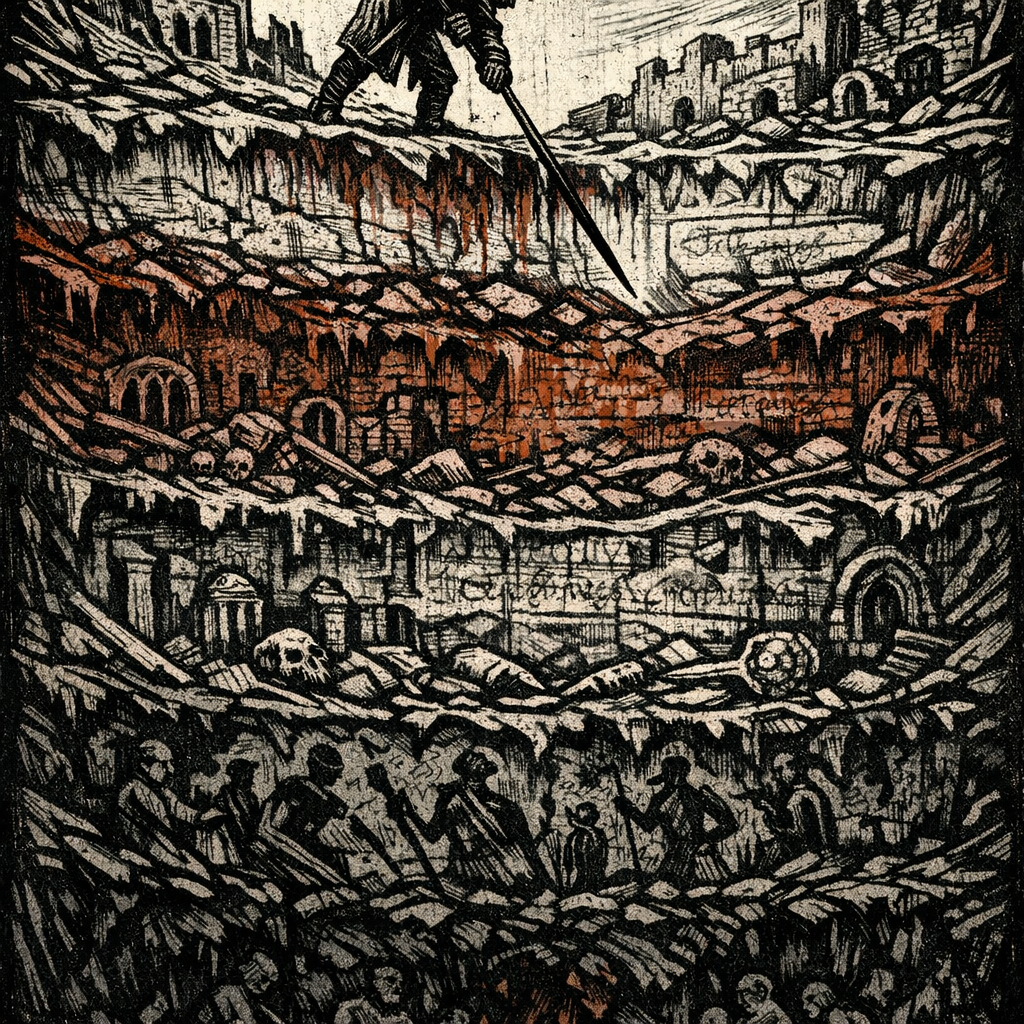
Beginning with Spinoza's conatus — the drive of every being to persist in its own existence — Unamuno argues that in man this drive has been raised to an intolerable pitch by consciousness. Because we know we will die, the desire to persist becomes something more than biological: it becomes a metaphysical hunger, a demand that the universe provide what it has so far refused. The immortality Unamuno craves is not some ghostly survival but the continuation of this specific consciousness, these specific memories, this specific person — for ever.
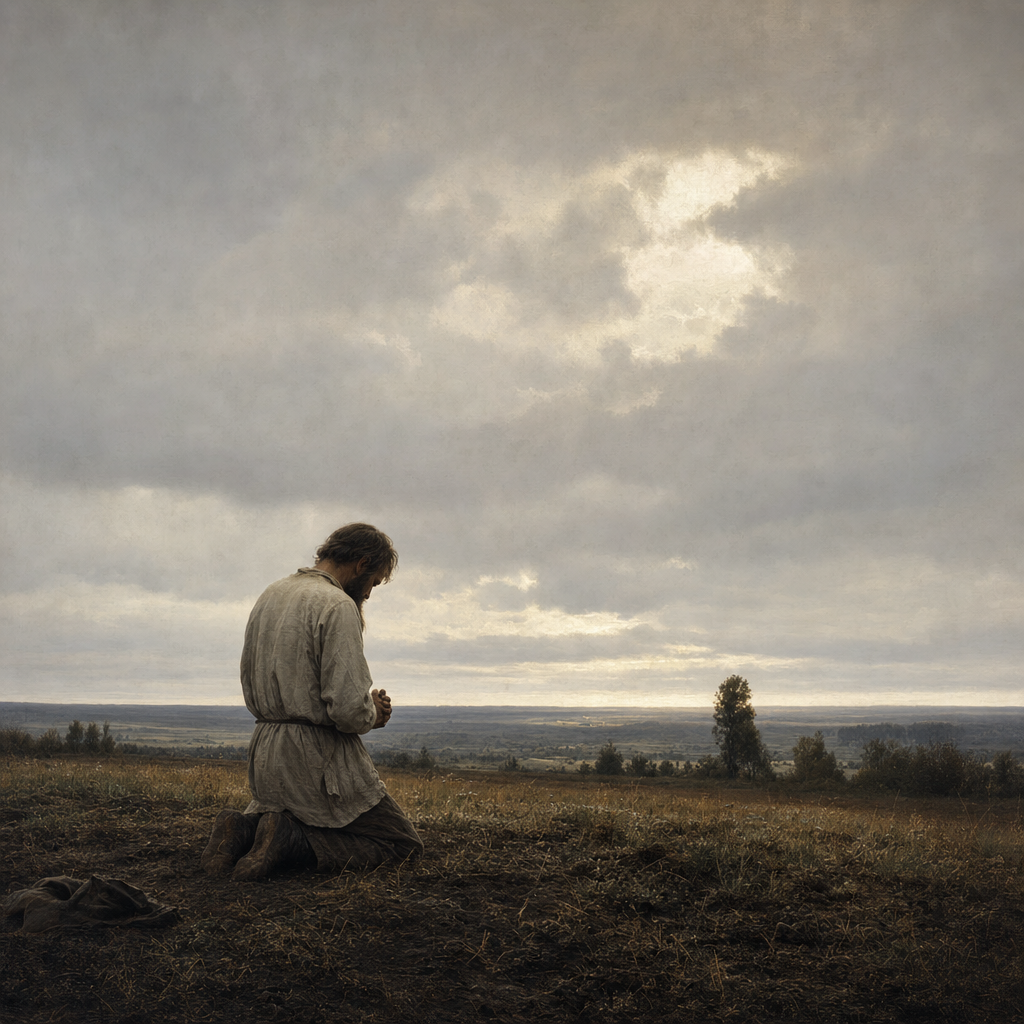
The visible universe, the universe that is created by the instinct of self-preservation, becomes all too narrow for me. It is like a cramped cell, against the bars of which my soul beats its wings in vain.
Neither Science Nor Pure Religion Can Satisfy
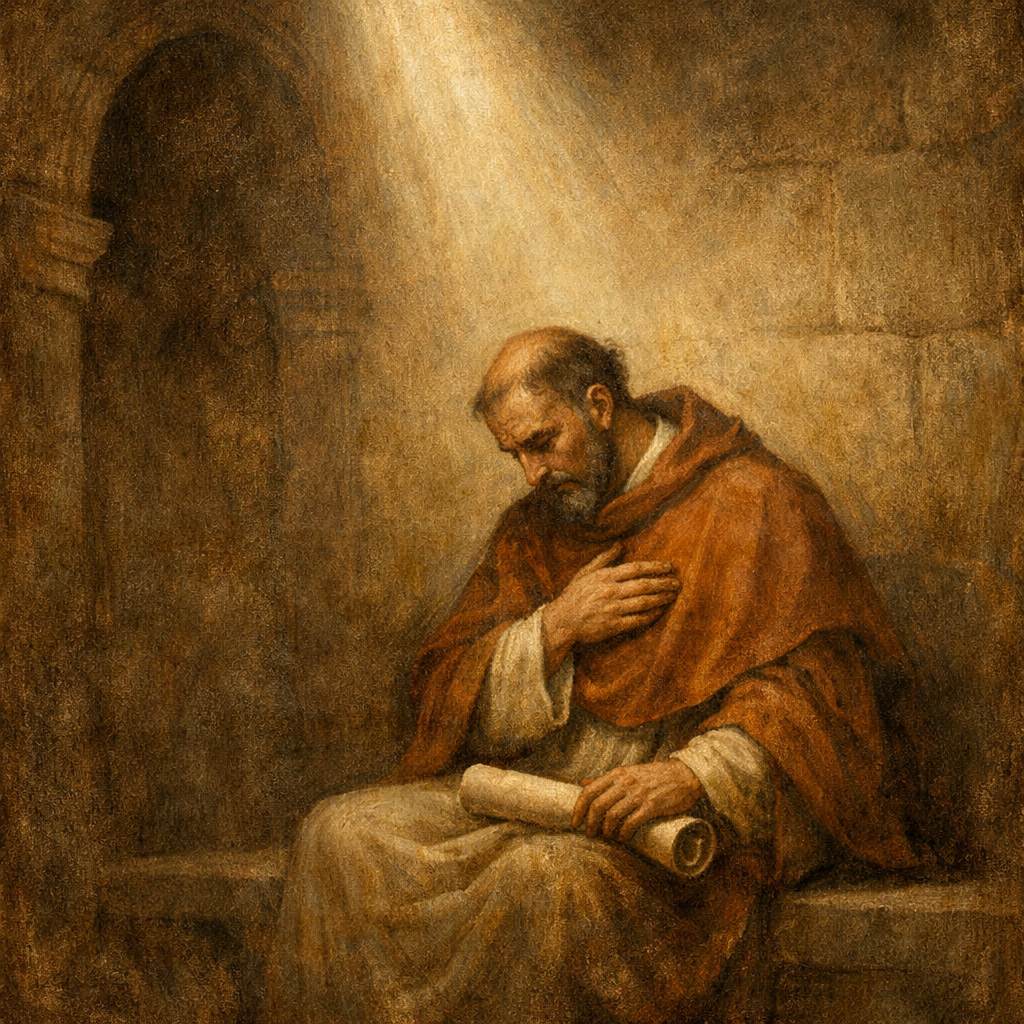
The hunger of immortality is irrational, and Unamuno does not pretend otherwise. Reason — in the form of Hume's analysis, Kant's critical philosophy, and nineteenth-century positivism — dissolves every argument for personal immortality. But the hunger remains, undefeated. Religion promises satisfaction, but it can only do so by making claims that reason rejects. The resulting collision is not a problem to be solved but a condition to be endured — the condition of being a fully self-aware human being.
Immortality as the Measure of All Value
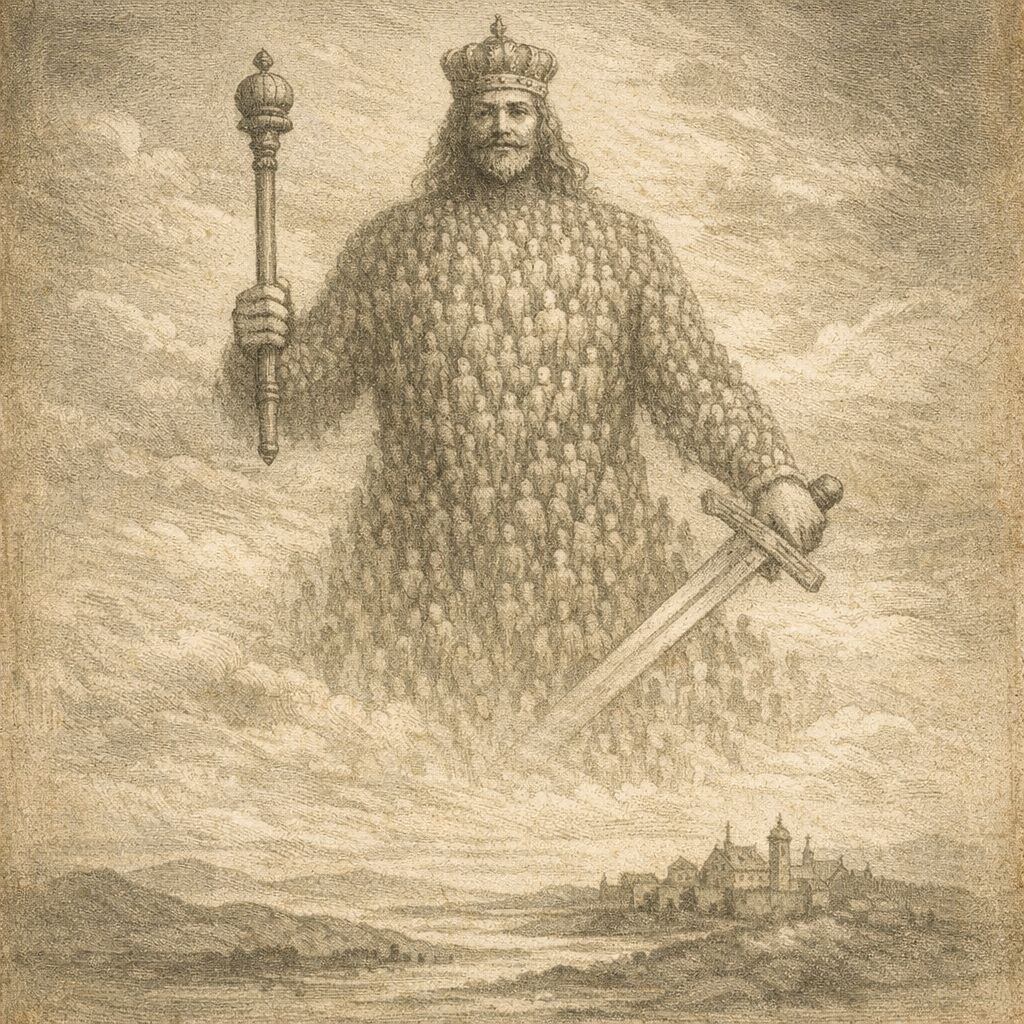
For Unamuno, the intensity of the hunger for immortality is the measure of how seriously a philosopher has taken the human condition. Those thinkers — and they are many — who are content with the consolation that the species continues, or that we live on in our works, or that the universe itself is somehow immortal, have simply not felt the hunger with sufficient force. The demand is not for the survival of something; it is for the survival of me, this person, now. Anything less is evasion dressed as wisdom.
The hunger of immortality is the book's central concept and the subject of Chapter III. Unamuno traces it through Plato, Paul, Dante, and the Spanish mystics, arguing that it is the hidden engine of all genuine religious and philosophical thought.
Related Concepts