The Argument Being Attacked
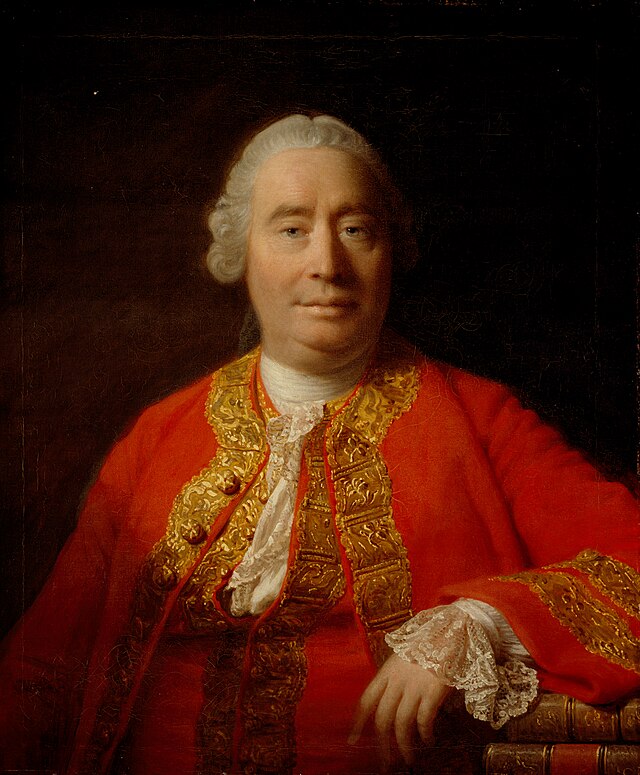
The design argument runs: the universe exhibits order and complexity analogous to that of a human artefact; artefacts have intelligent makers; therefore the universe has an intelligent maker. It was the most popular theological argument of the eighteenth century, and Hume's Dialogues Concerning Natural Religion (published posthumously) dismantles it at length. The Enquiry's version is more compressed but equally precise.
The Problem of Analogy
Any conclusion from the design argument can only be proportioned to the evidence. The universe is a single case; we have no others to compare it to. When we infer a human architect from a human house, we do so against a background of vast experience of houses and architects. We have no such background experience of universes. The analogy is far too weak to support the conclusion.
When we infer any particular cause from an effect, we must proportion
the one to the other, and can never be allowed to ascribe to the cause
any qualities, but what are exactly sufficient to produce the effect.
What the Argument Cannot Establish
Even if the argument succeeds in establishing an intelligent cause, it cannot establish one that is infinite, morally perfect, or uniquely one. The observed universe is imperfect and limited; a designer proportioned to it need be no more than partially intelligent and limited in power. The God of traditional theology — omnipotent, omniscient, wholly good — is simply not licensed by the evidence of the world we actually observe.
Section XI is titled "Of a Particular Providence and of a Future State." Hume's most extensive treatment of the design argument appears in the posthumously published Dialogues Concerning Natural Religion (1779), where Philo's critique is devastating.
Related Concepts