The Concrete Man Against the Abstract System
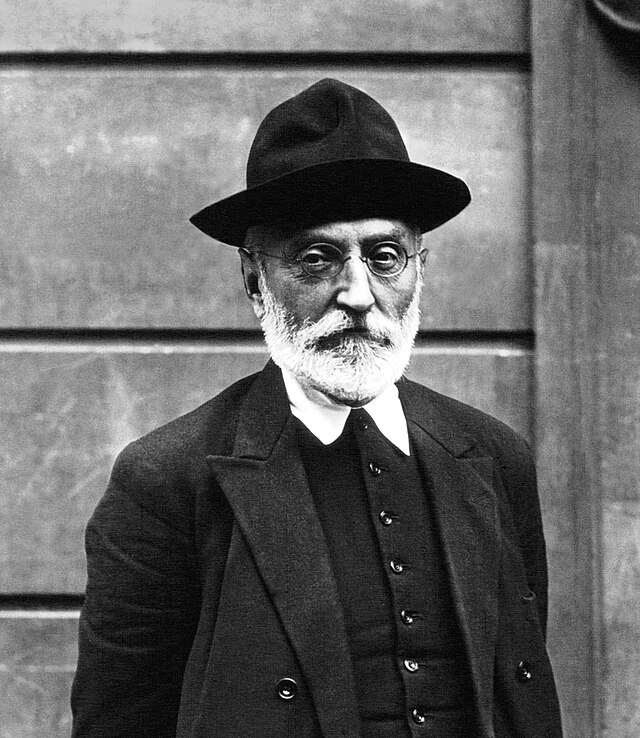
For Unamuno, official philosophy — the sort that moves smoothly from Kant to Hegel to the positivists — has committed a systematic deception. It has replaced the man who philosophises with the philosophy itself, as though ideas grew spontaneously out of ideas, independent of the hunger and terror of the mind that generated them. The great systems are presented as if Spinoza had no body, Kant no fear of death. Against this evasion, Unamuno insists: to understand any philosopher, we must first understand the man — his illnesses, his loves, his dread of annihilation.
The Tragic Sense as a Condition of Being Human
The tragic sense of life is not a doctrine Unamuno arrived at by argument. It is a constitutional orientation — something felt before it is thought, something that determines ideas rather than following from them. He insists that this sense belongs not only to individuals but to entire peoples, and that it is inseparable from the human capacity for consciousness itself. To be conscious is to know that you will die, and that knowledge is the wound philosophy cannot close.
man, by the very fact of being man, of possessing consciousness, is, in comparison with the ass or the crab, a diseased animal. Consciousness is a disease.
The Starting-Point of All Genuine Philosophy
Unamuno's provocation is also a method. By calling consciousness a disease he does not mean it should be cured. He means that the restlessness, the longing, the anxiety that consciousness brings — the sense that we are ill-fitted to the universe — is precisely what makes philosophy necessary. A fully healthy animal has no reason to philosophise. The tragic sense is the wound that opens the philosophical question, and any philosophy that does not feel that wound has already falsified its starting-point.
This theme runs through the whole of Chapter I and is returned to throughout the book. The line "consciousness is a disease" became one of the most cited sentences of twentieth-century existential philosophy.
Related Concepts