What a Tincture Does
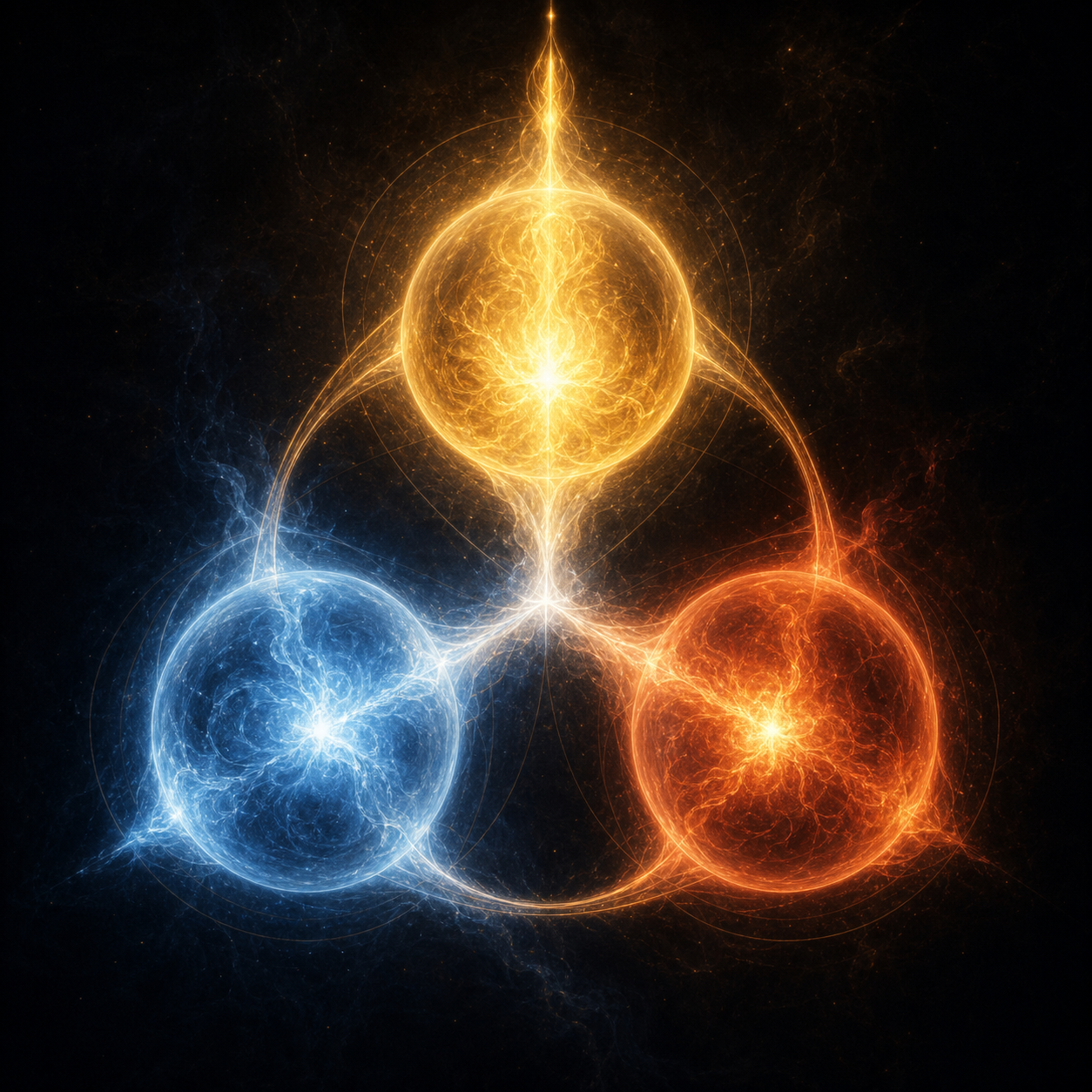
In alchemical tradition, a tincture is a dissolved substance that transforms whatever it touches — the philosopher's stone is the supreme tincture, able to transmute base metals into gold. Böhme takes this concept and gives it a metaphysical and spiritual meaning. A tincture is any quality that, when introduced into another thing, transforms its essential character without destroying it. The Son's tincture of love, for example, penetrates the Father's dark fire and transforms it into light — not by adding something foreign but by revealing the fire's own true nature.
The Tinctured Soul
For the individual soul, the language of tincture describes the process of spiritual transformation. The regenerate soul is one that has been touched by the divine tincture of love — the quality of the second principle that transforms the soul's dark will into a luminous will. This is not an external application but an internal revelation: the divine quality was always potential in the soul; the tincture awakens what was latent.
Alchemy Spiritualised
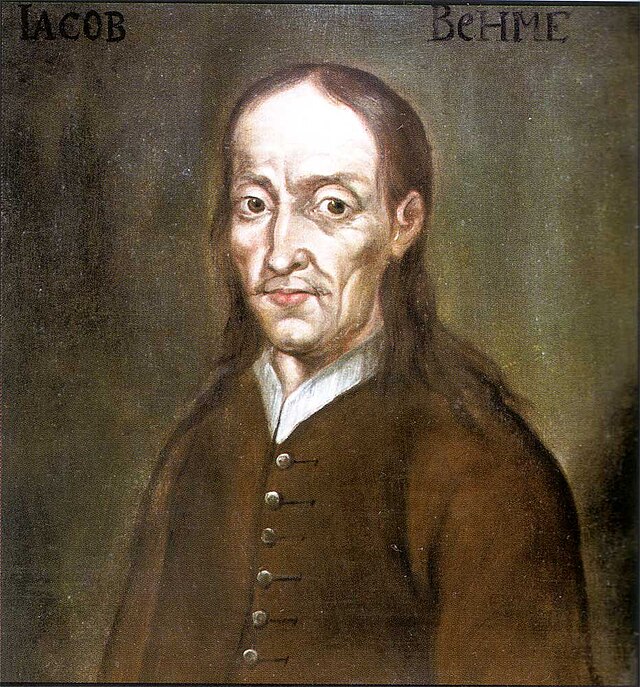
Böhme consistently spiritualises alchemical language. Where the alchemist seeks gold, Böhme seeks the transformation of the soul; where the alchemist speaks of sulphur, salt, and mercury, Böhme speaks of the three principles; where the alchemist speaks of fire and water, Böhme speaks of wrath and love. He does not deny that physical alchemy works — his cosmos is one in which the material and spiritual are too closely intertwined for that — but the physical transformation is always, for him, a sign of the spiritual one that matters.
Böhme's use of alchemical vocabulary was common among the theosophical writers of his era, including Paracelsus, Weigel, and Arndt. What distinguishes Böhme is the systematic way he integrates alchemical language into a comprehensive philosophical theology rather than using it eclectically.
Related Concepts