Before All Names
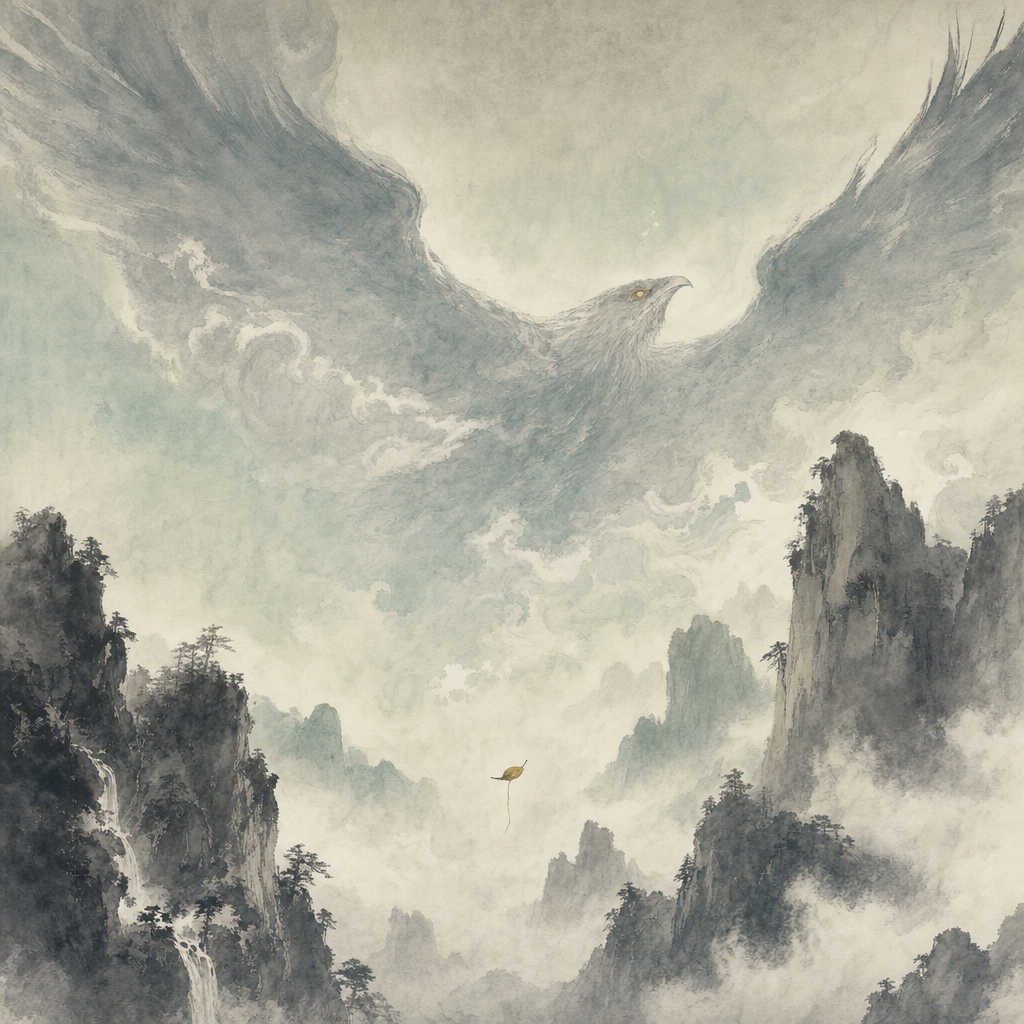
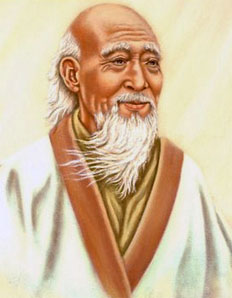
Laozi begins not by defining the Tao but by refusing to define it. The first line is a warning and an invitation: any account of the Tao you can give is already a distortion. The Tao that can be named is not the eternal Tao. This is not a failure of language but a feature of the Tao itself — it is the ground from which all distinctions arise, and therefore cannot itself be distinguished as one thing among others.
The Tao that can be trodden is not the enduring and unchanging Tao. The name that can be named is not the enduring and unchanging name.
The Mystery of Two Aspects
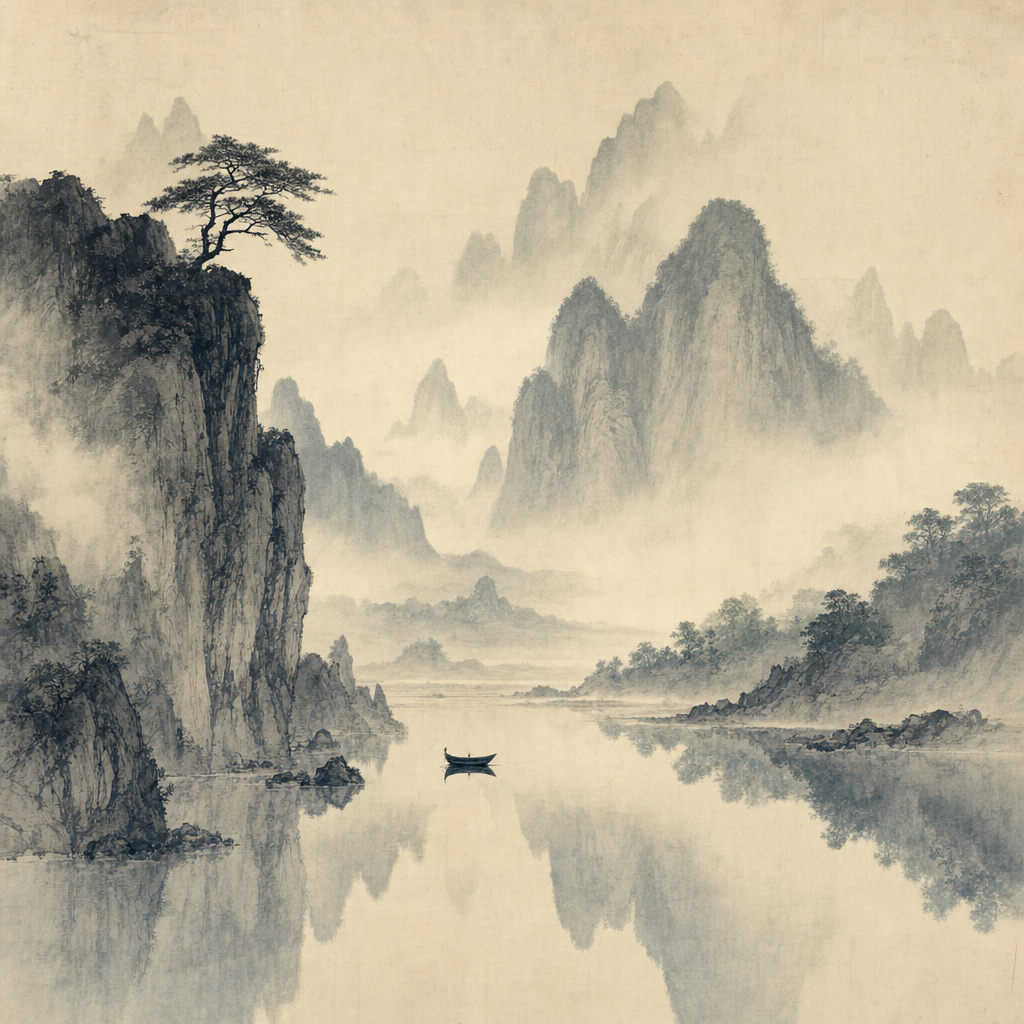
Laozi then makes a subtle distinction. Conceived of as having no name, the Tao is the originator of heaven and earth — the formless ground of all being. Conceived of as having a name, it is the mother of all things — the generative source that brings particulars into existence. Both aspects belong to the same reality. The mystery deepens when you hold both together: the nameless origin and the named world are not opposites but two faces of one inexhaustible depth.
Desire and the Deep
The verse ends by distinguishing two modes of attention. Without desire, one perceives the mystery at the heart of the Tao — its depth, its silence, its inexhaustibility. With desire — with an agenda, a purpose, a frame — one perceives only the outer fringes: the surface of phenomena, the parade of named things. The teaching here is practical as well as metaphysical. How you attend determines what you find.
Verse 1 of the Tao Te Ching (James Legge translation, 1891). The paradox of the unnameable Tao recurs throughout the text — most explicitly in verse 25, where Laozi says he does not know the name of the Tao and calls it "Great" only for want of a better word.
Related Concepts